
m. 0428 898 706


Dales of Derby
Group Accommodation, North East Tasmania.
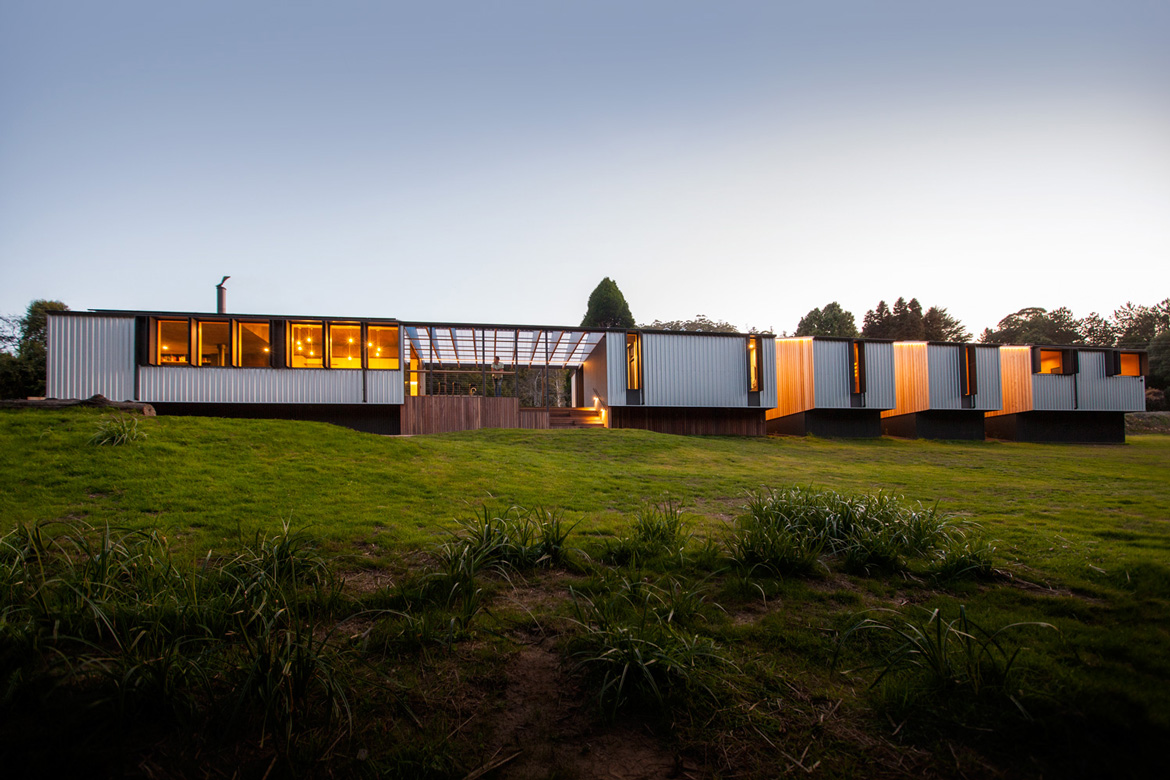
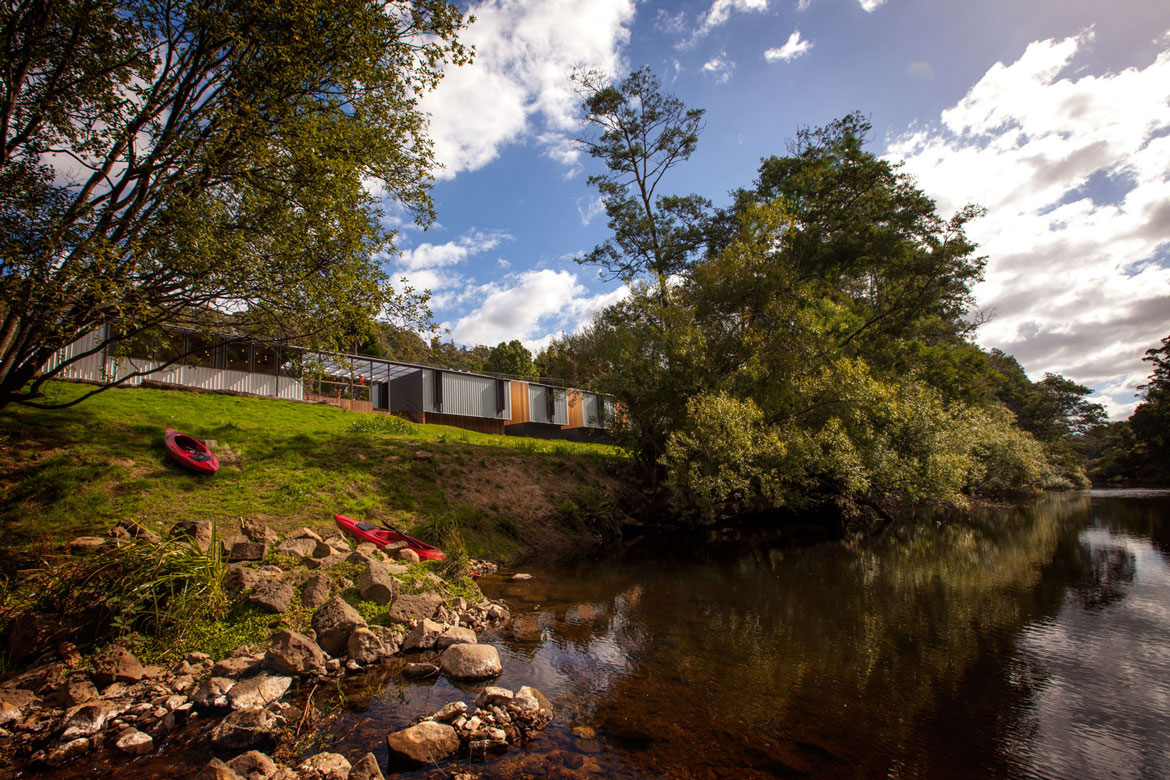
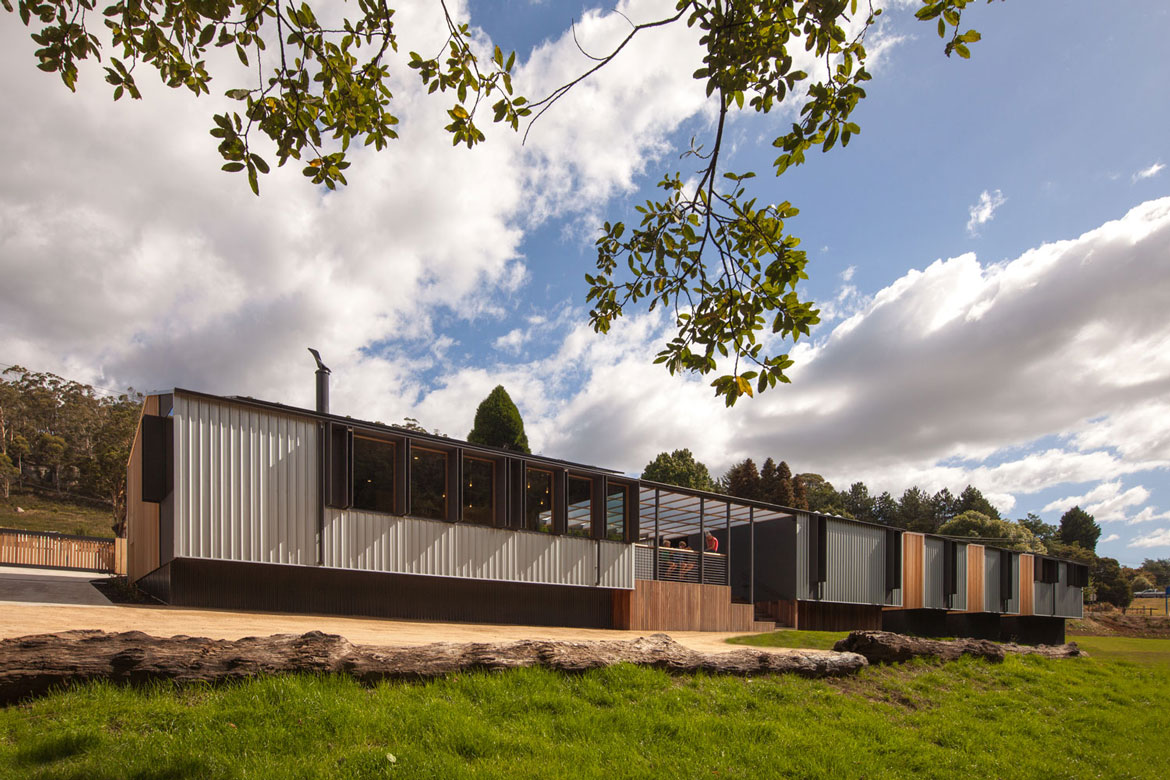
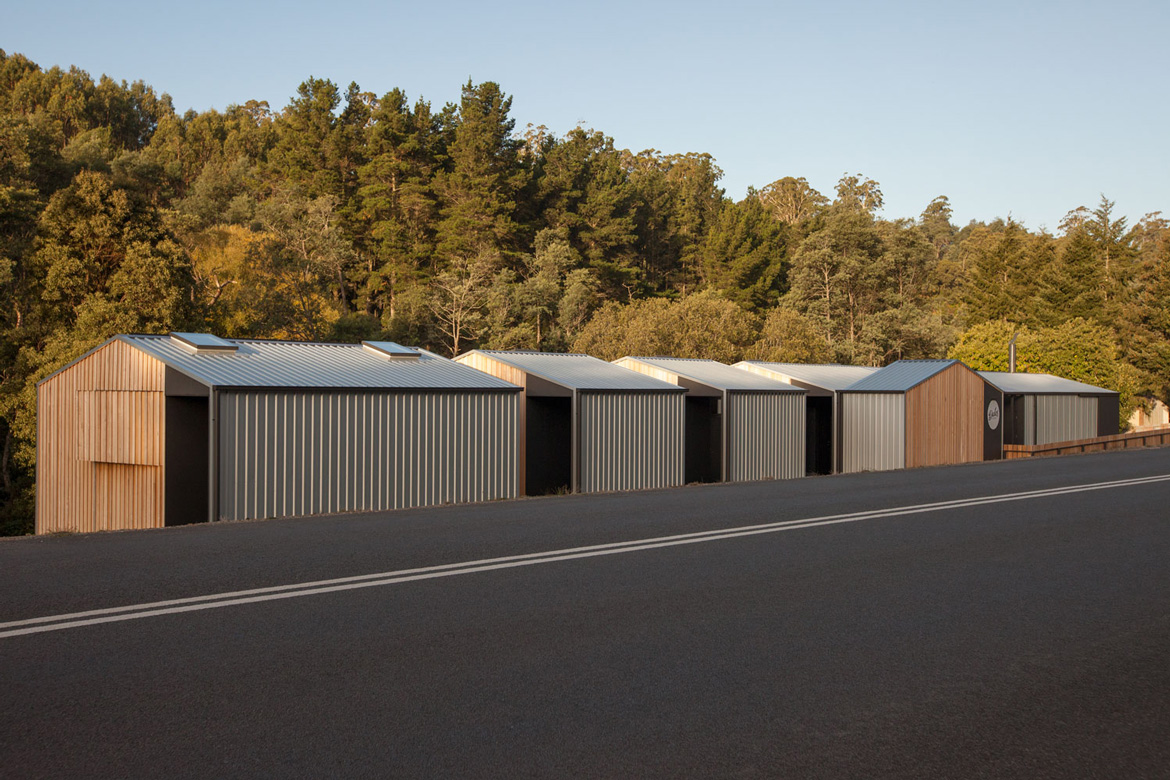
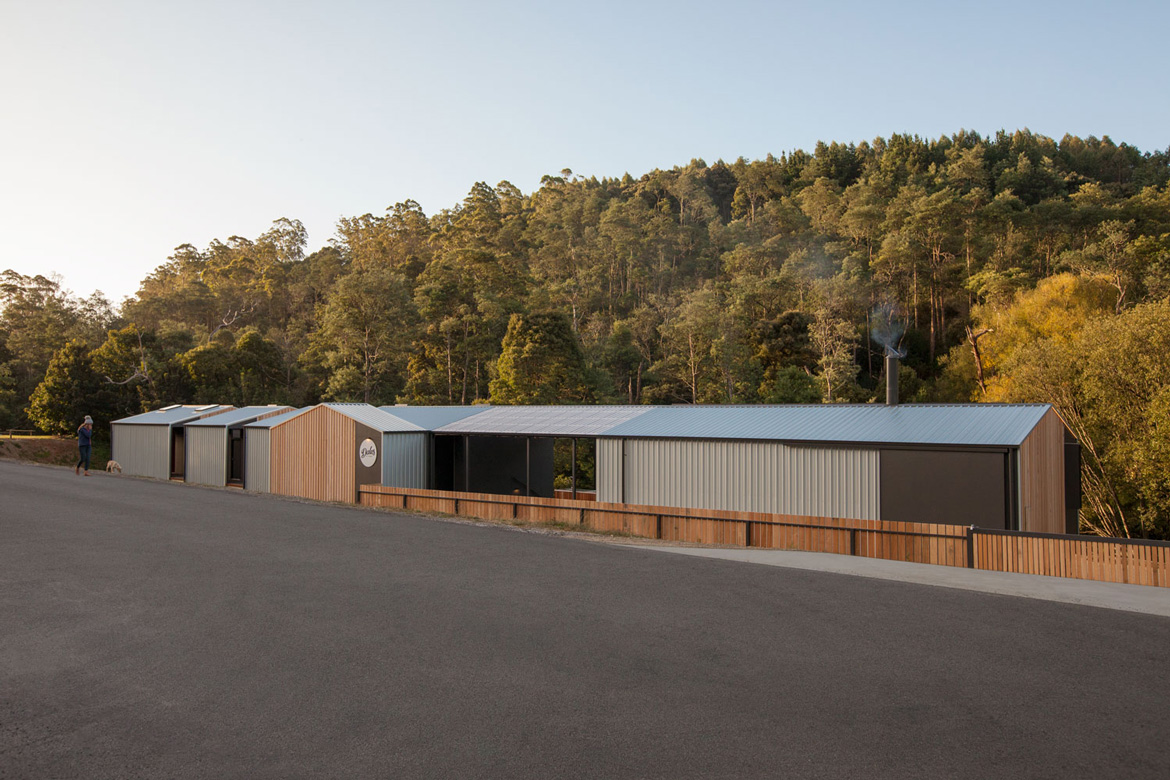
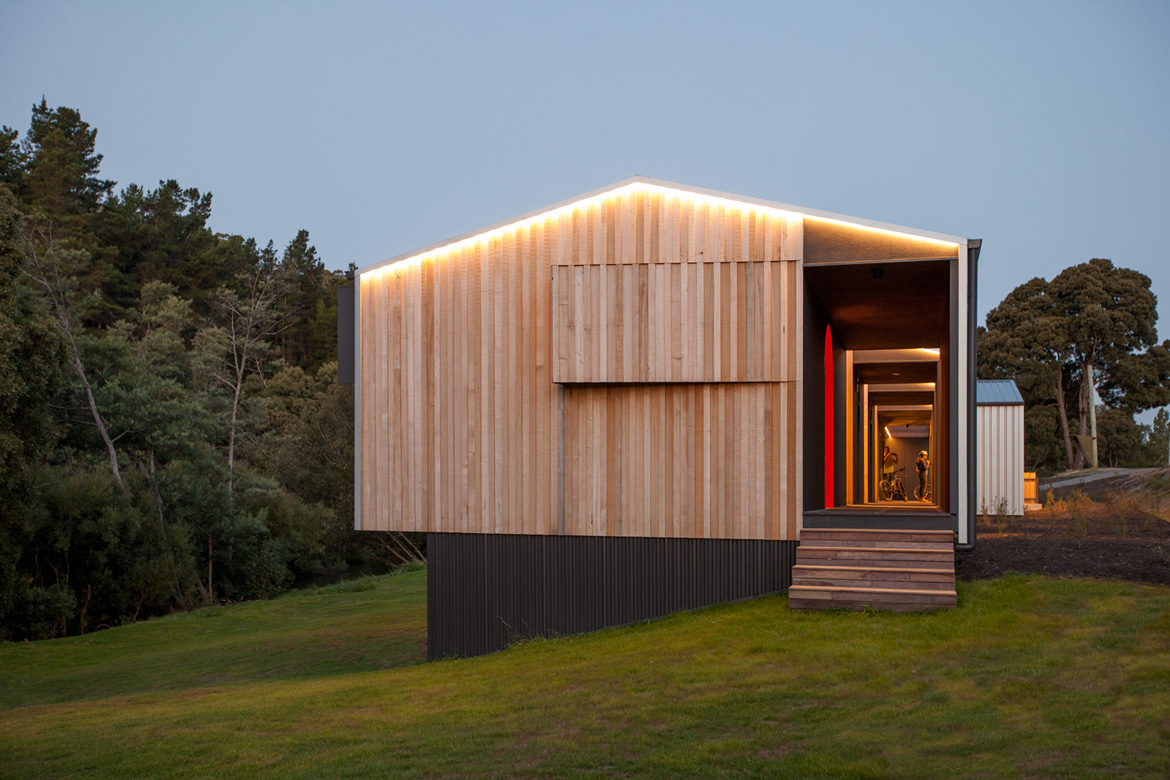
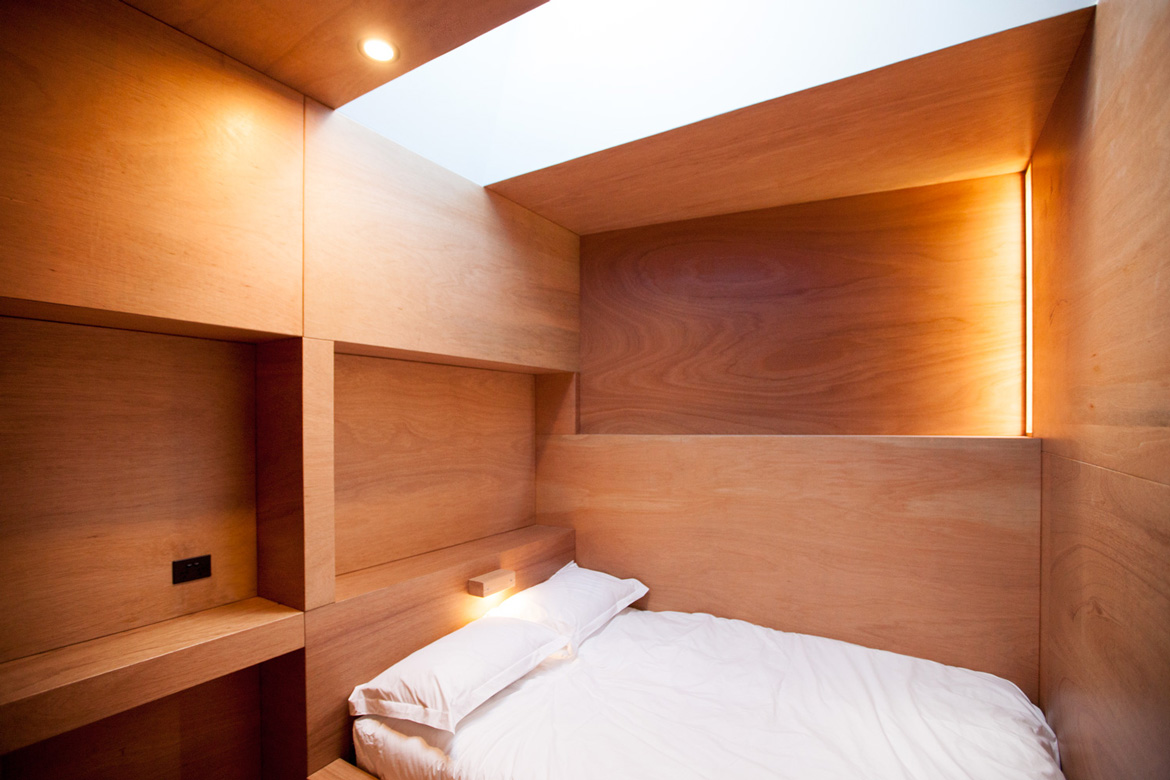
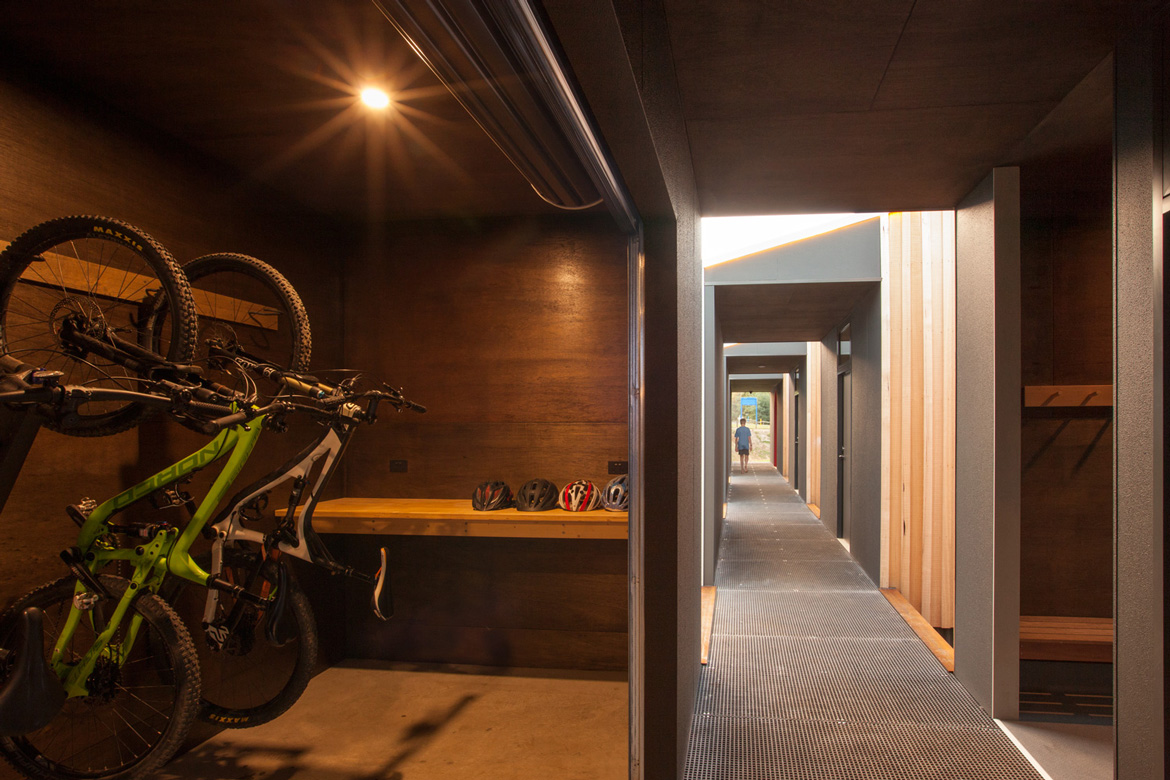
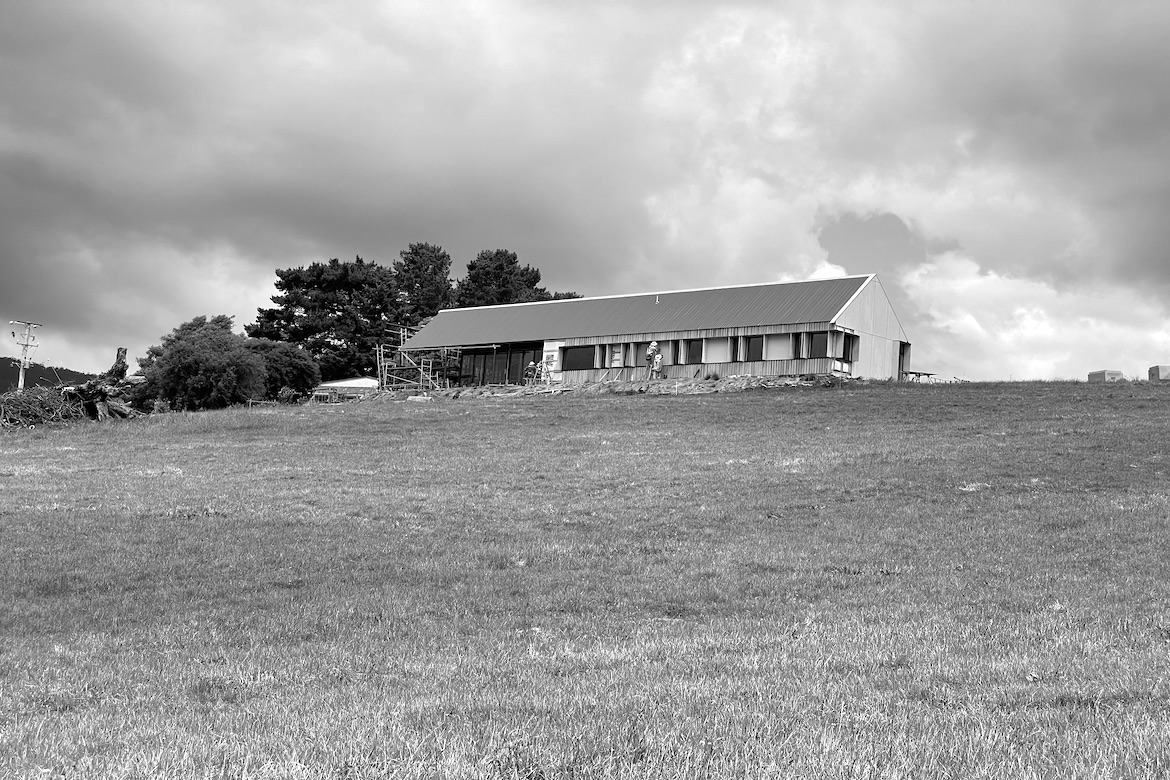
Located in the picturesque region of northeast Tasmania, Dales Of Derby is a home away from home and a place to stay next to the river on the edge of town.
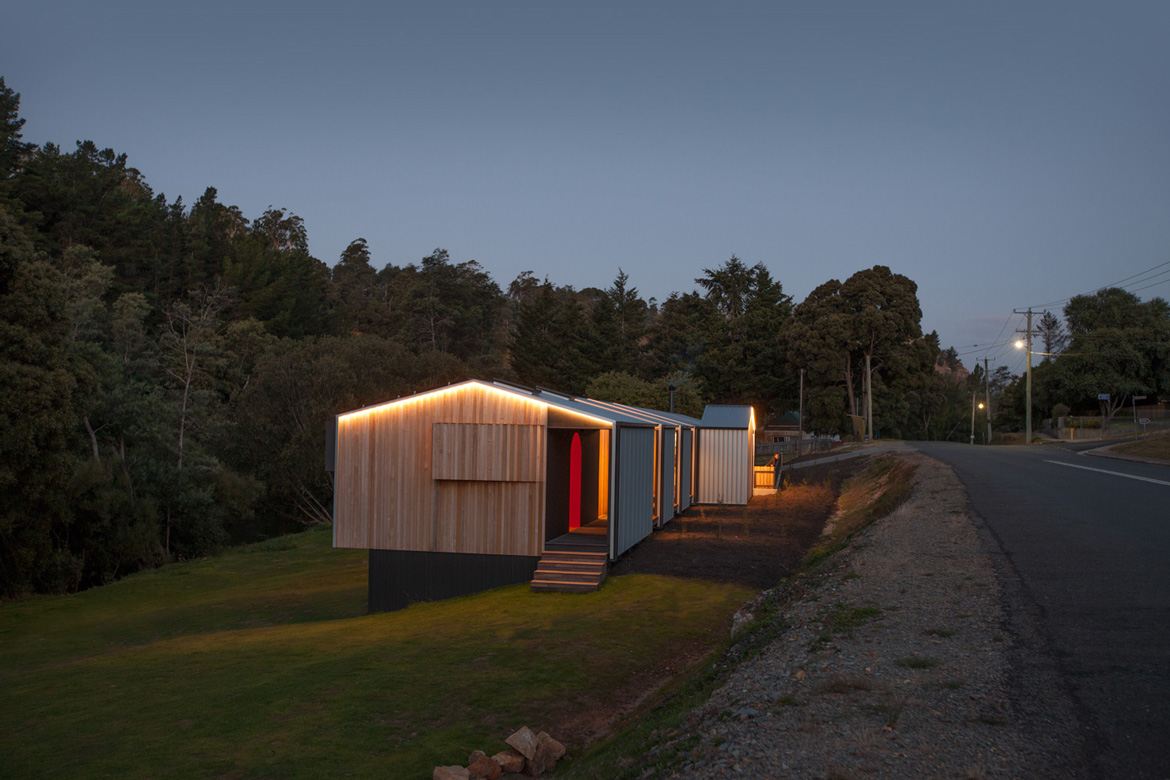
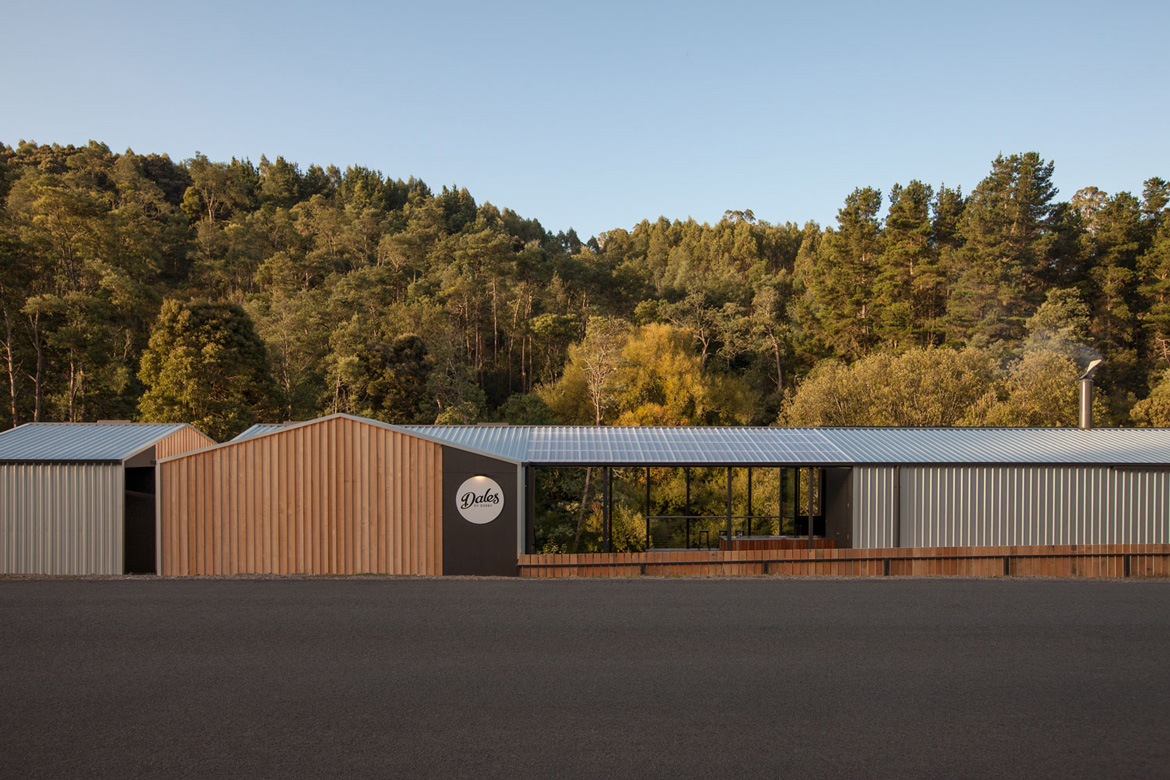
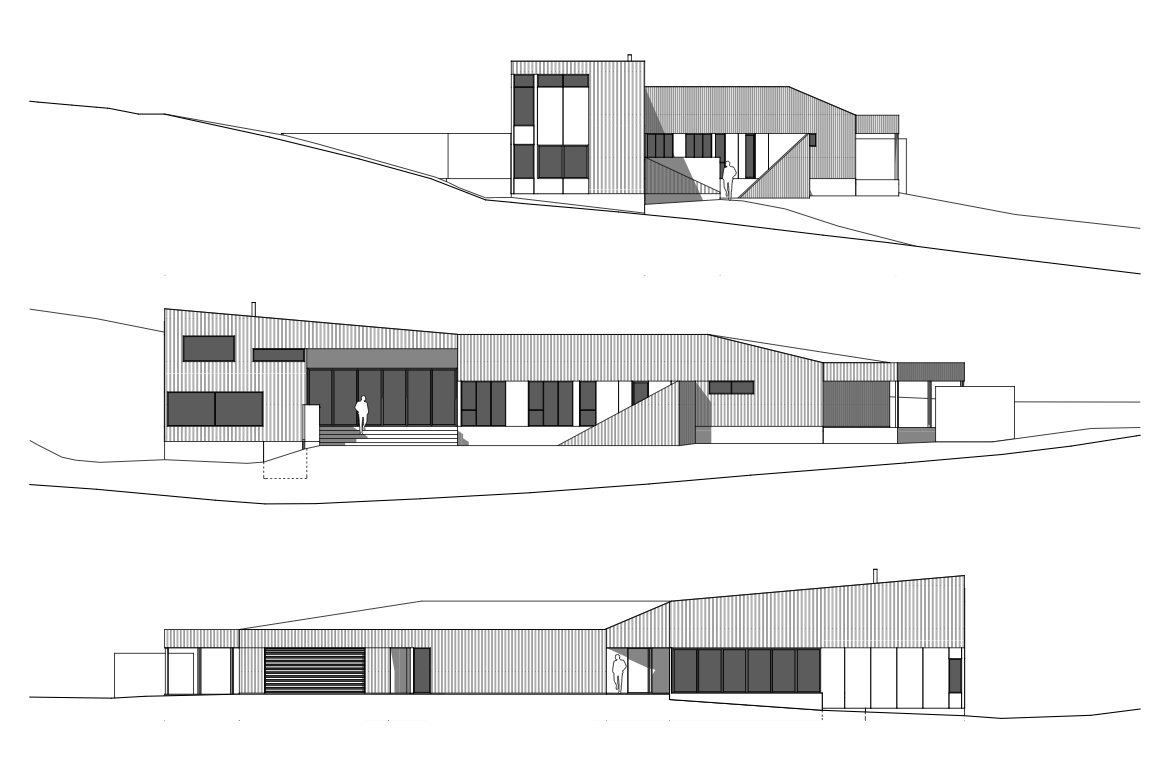
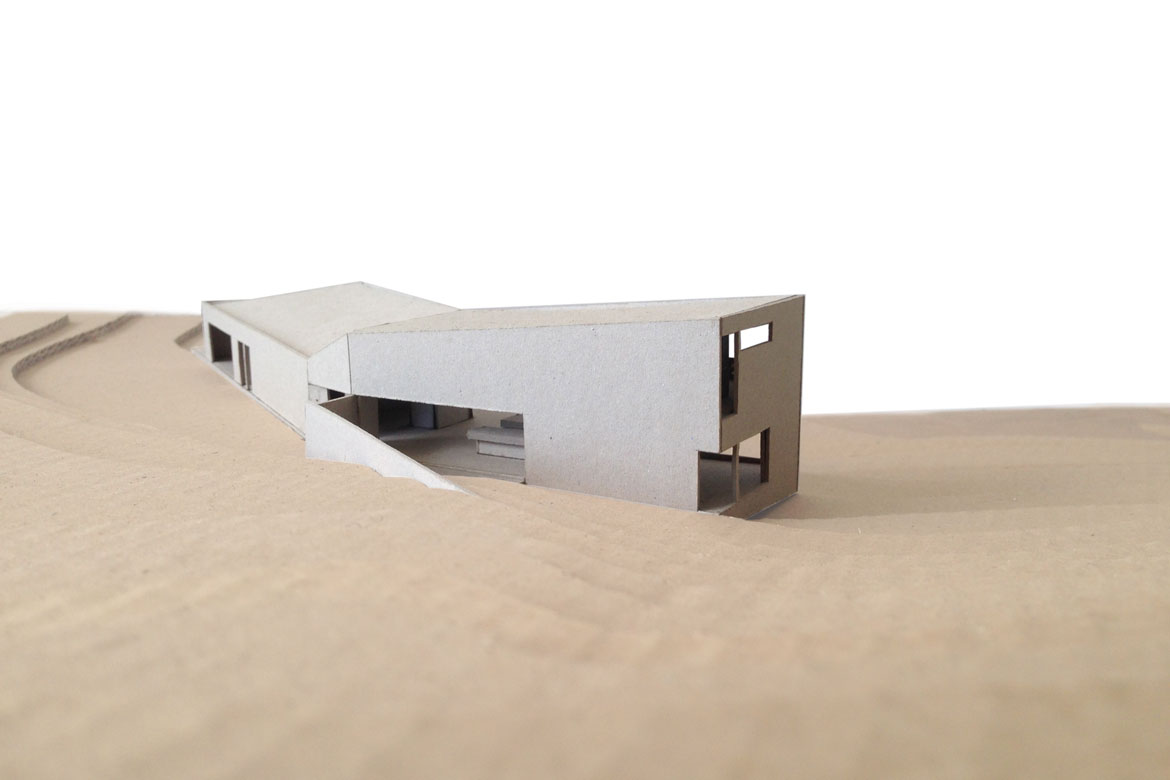
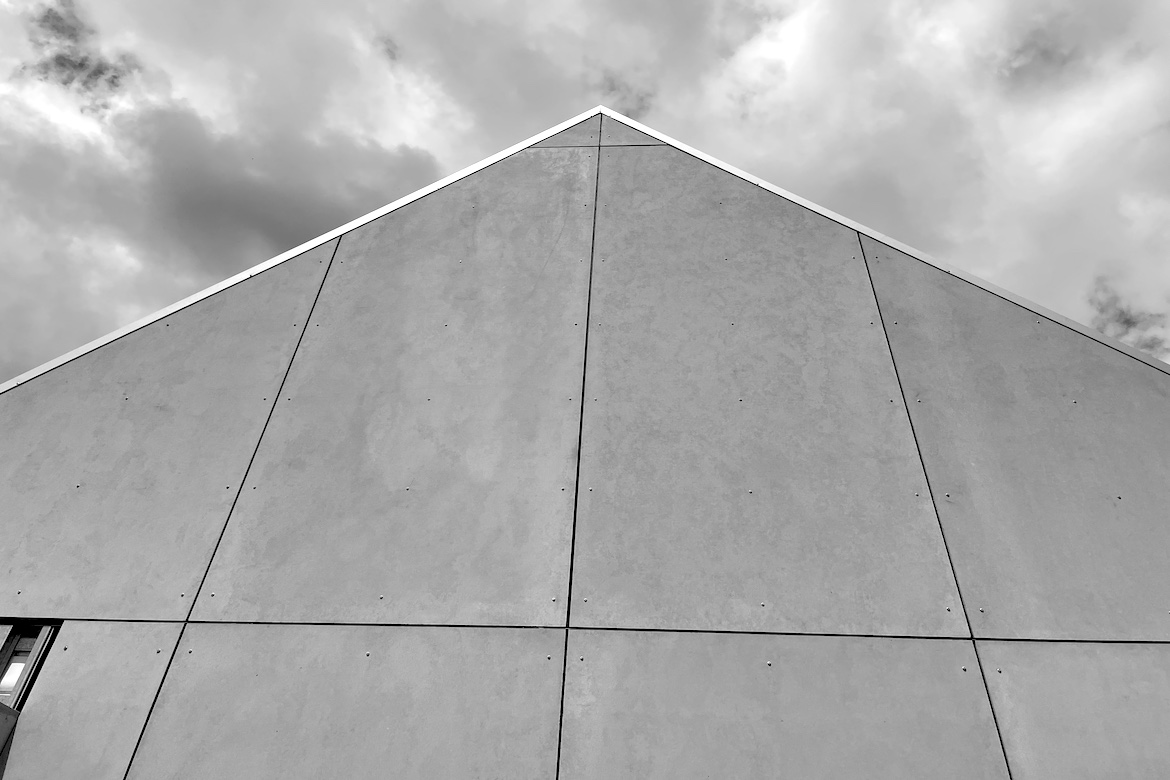
An introductory building to Derby, the gable roof suggests a link to the local mining history, calling to mind utilitarian tin miner accommodation, high country slab hut or tractor shed.
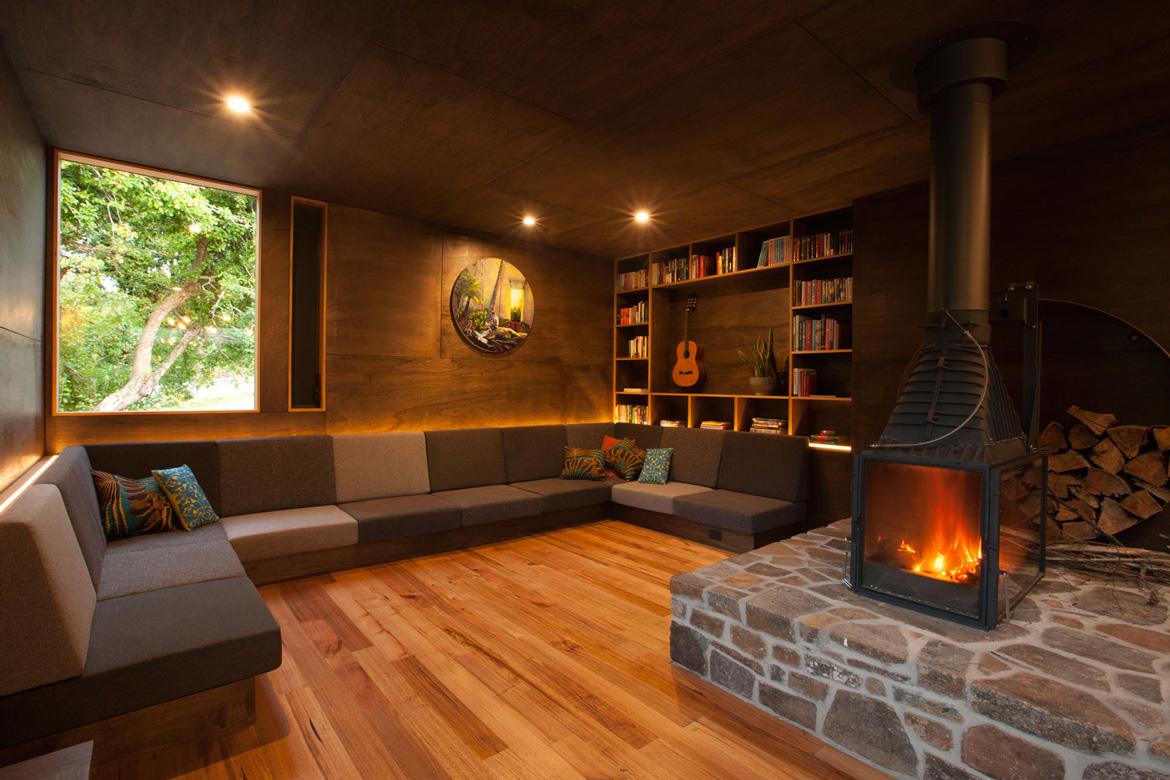
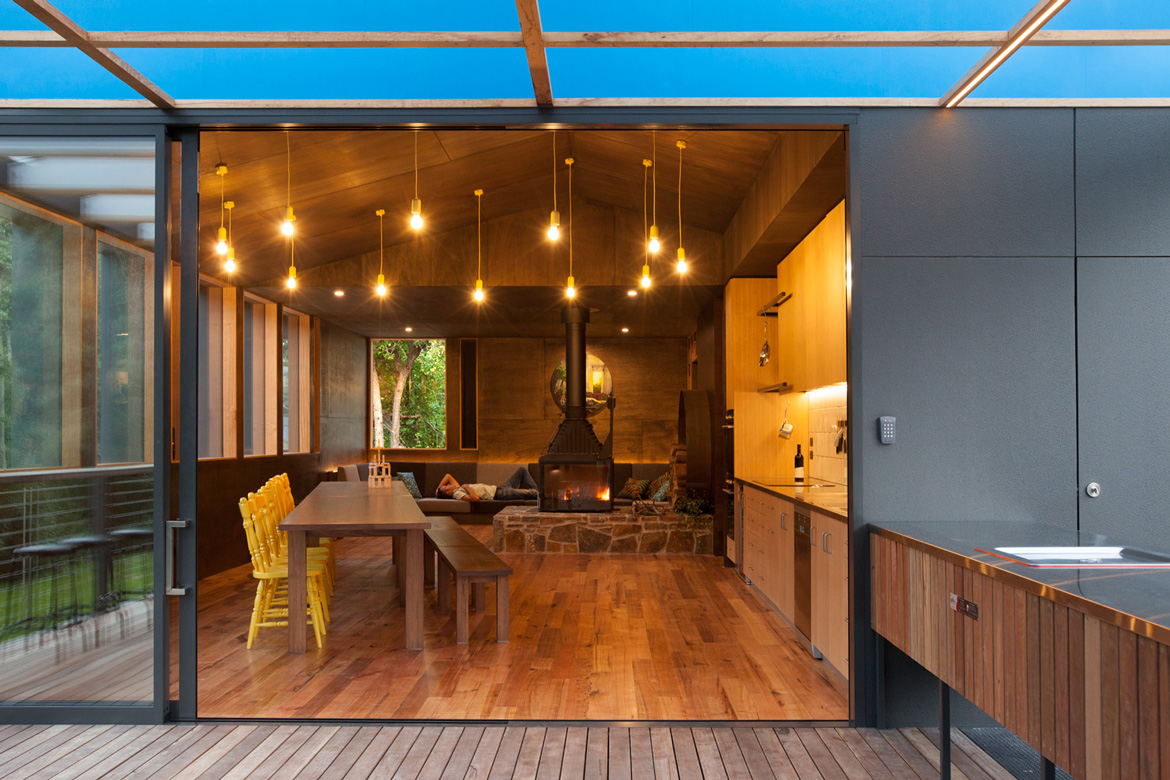
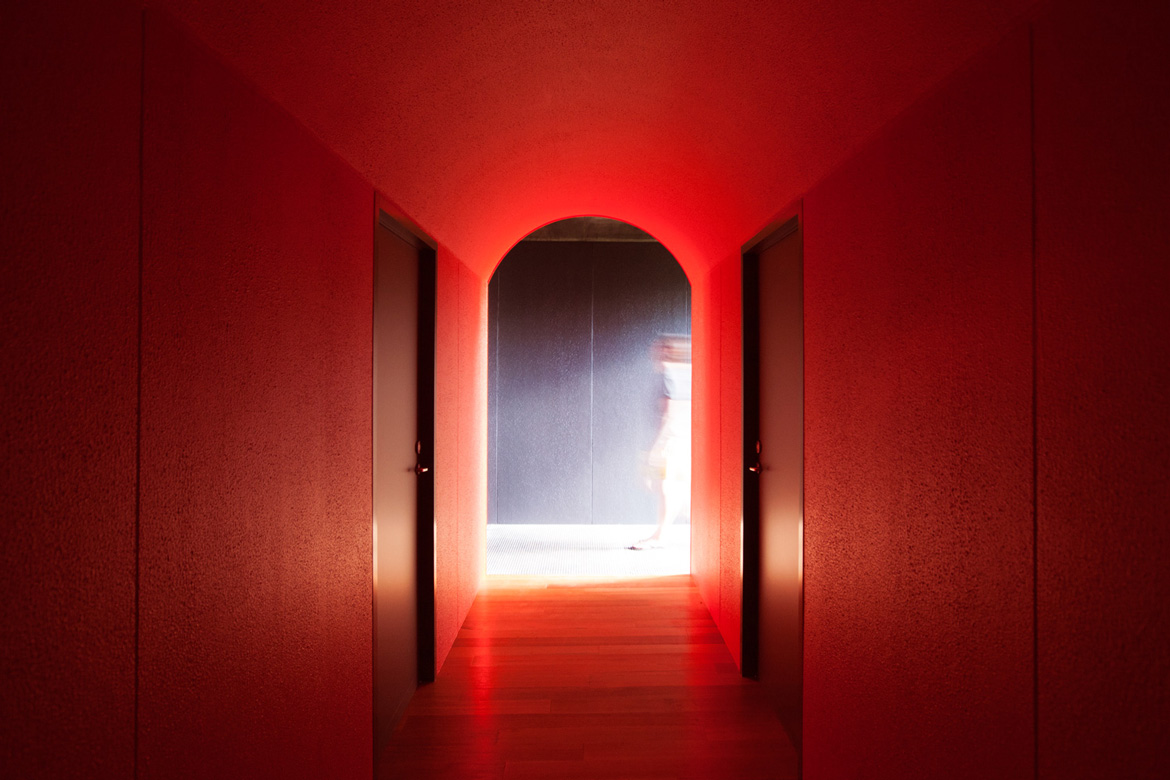
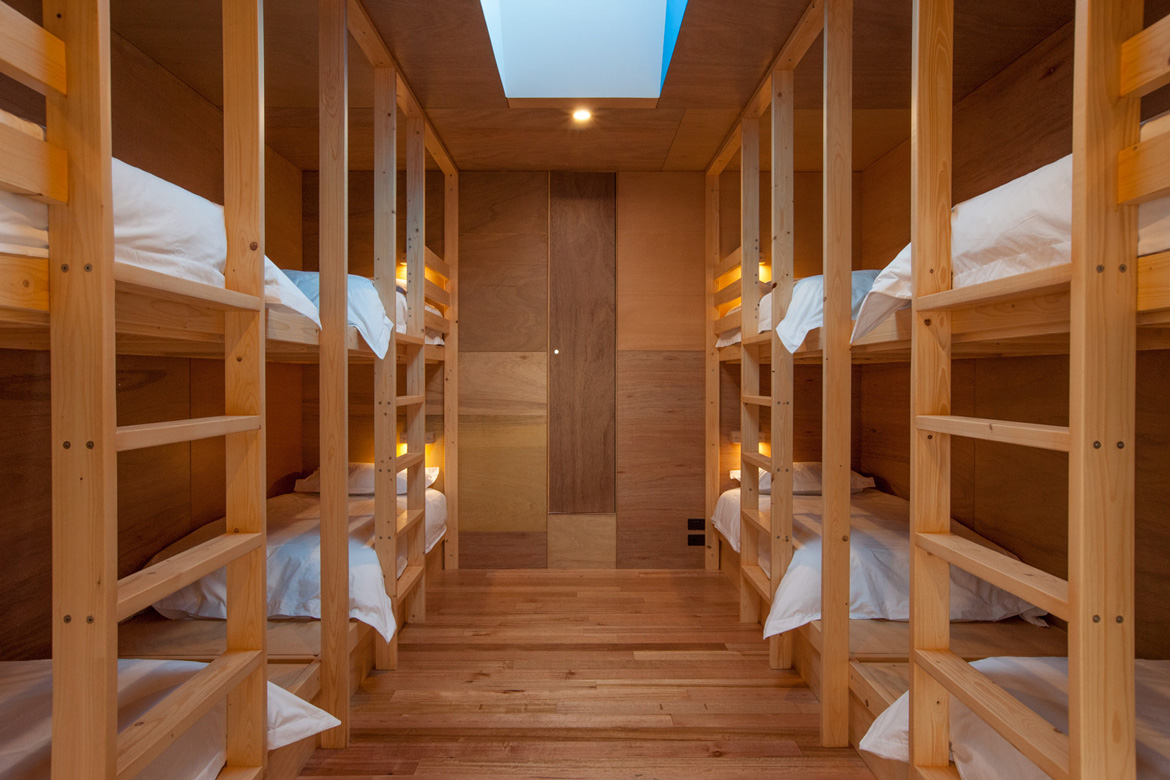
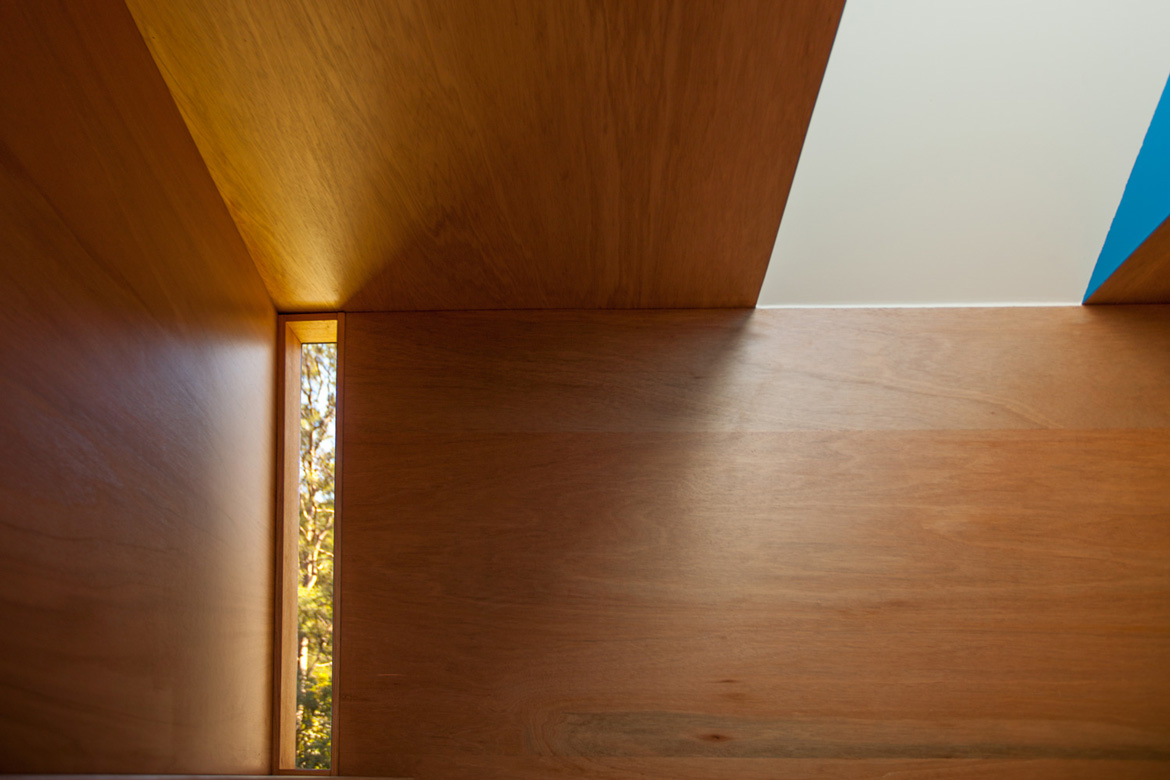
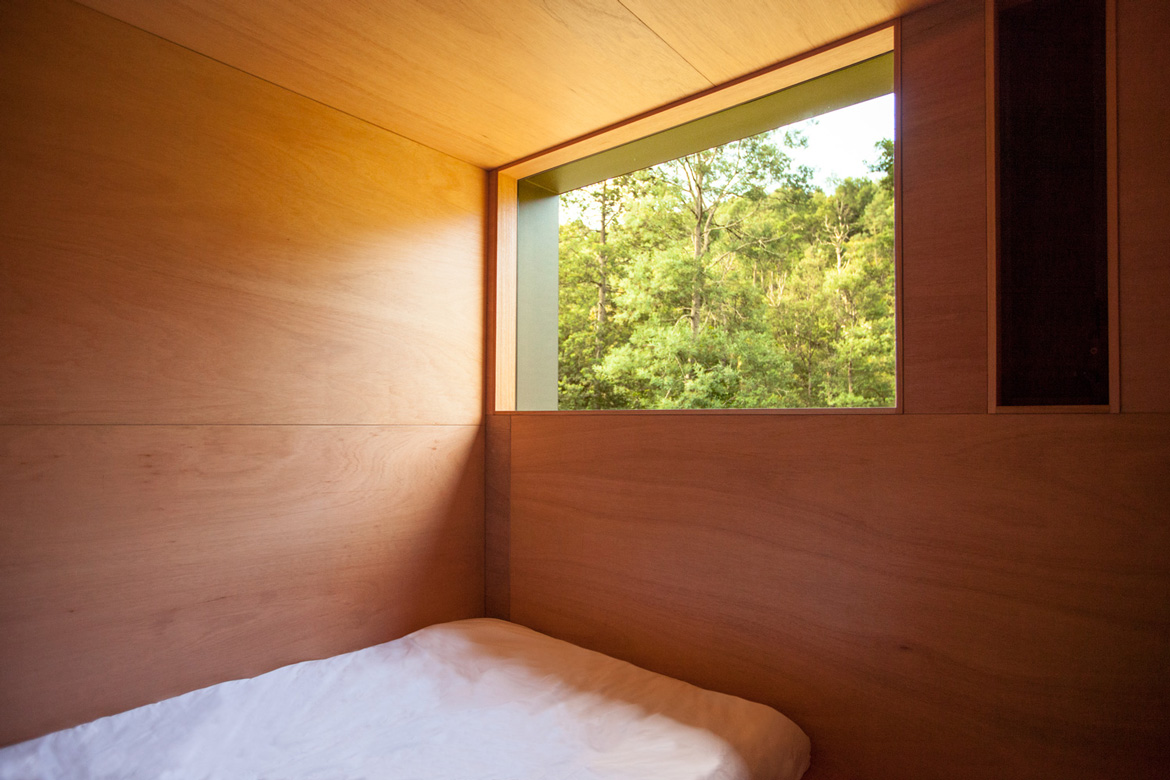
Facilitating large groups, the building presents a series of varied experiences, perhaps even evokes a certain memorable naivety of fun, friends, kids, and a splash of primary colour, a splash in the river, a fireplace, a place to remember.
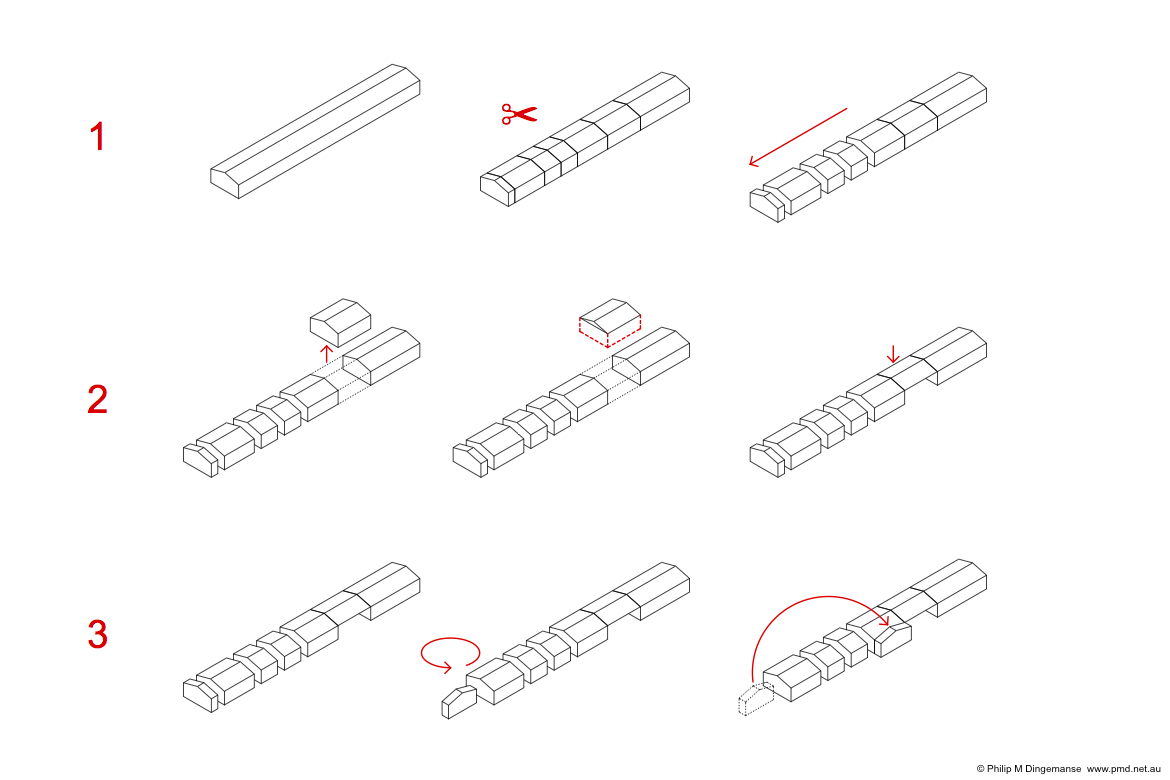
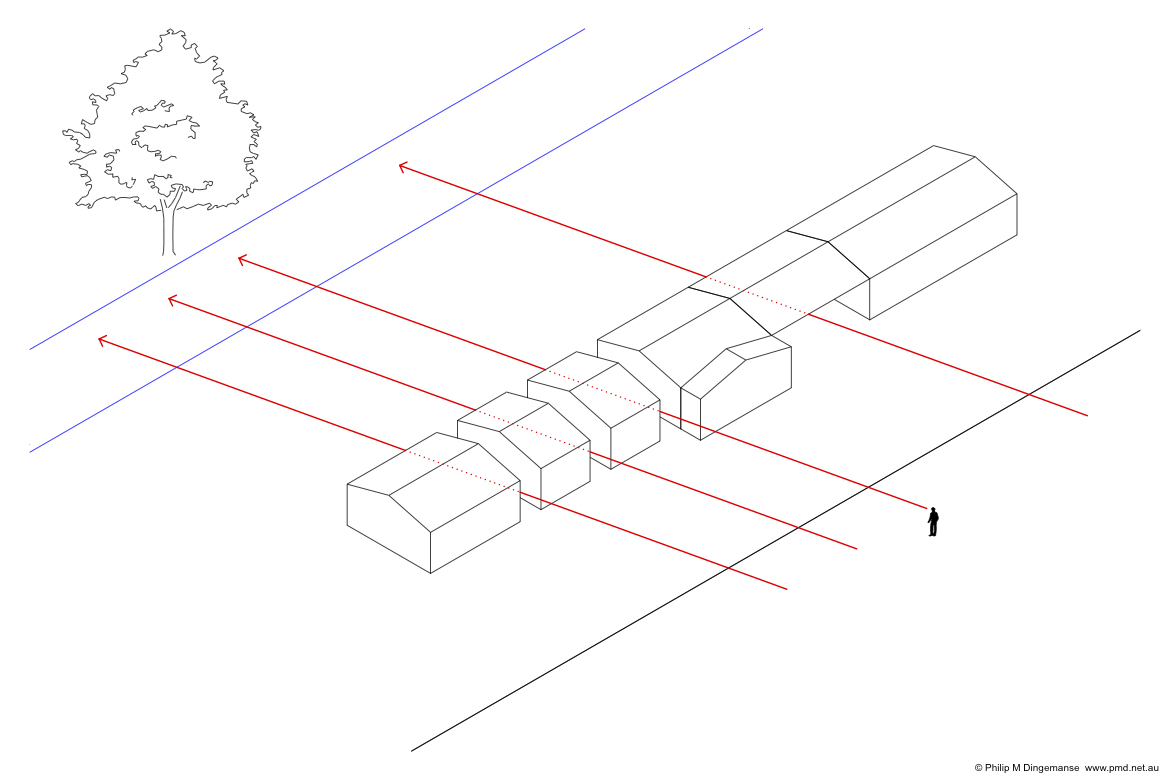
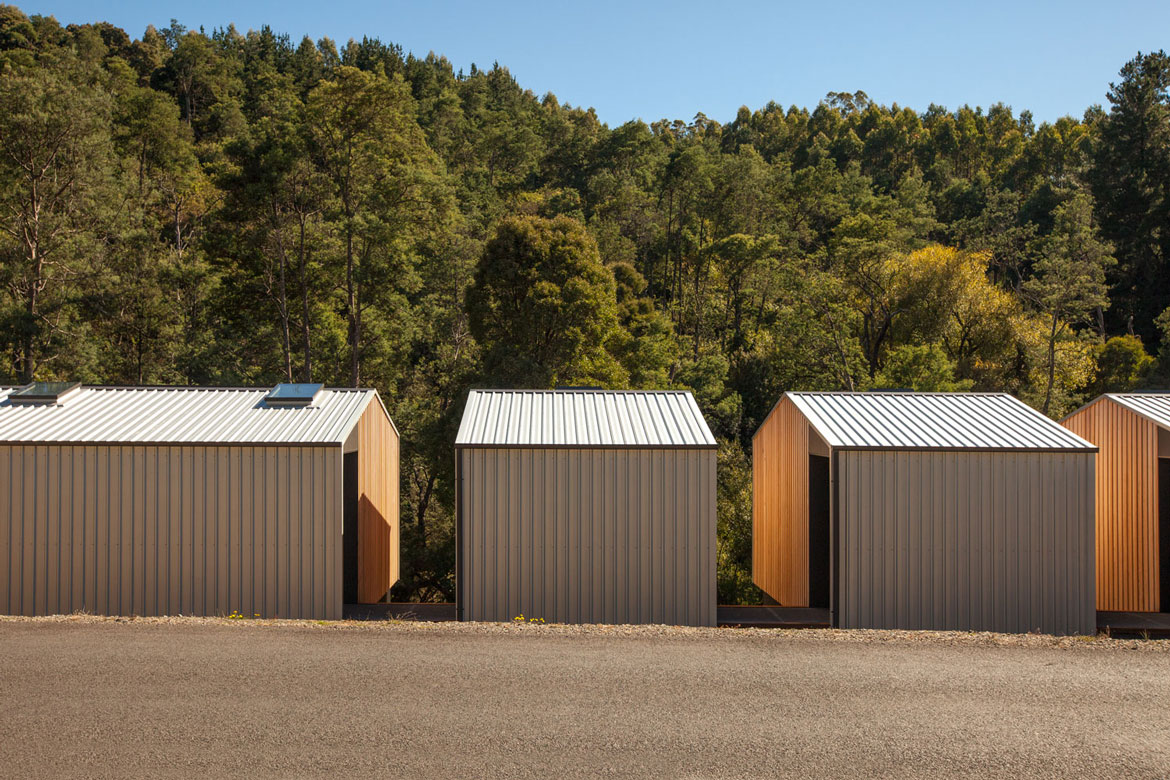
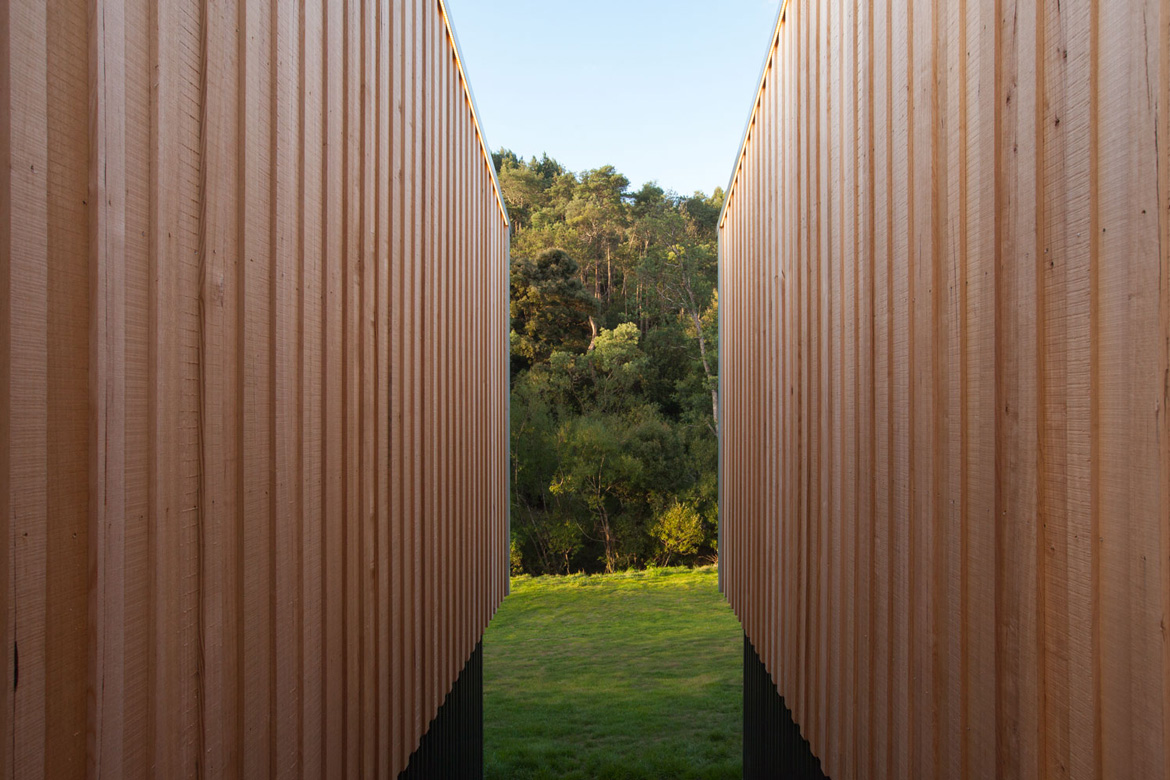
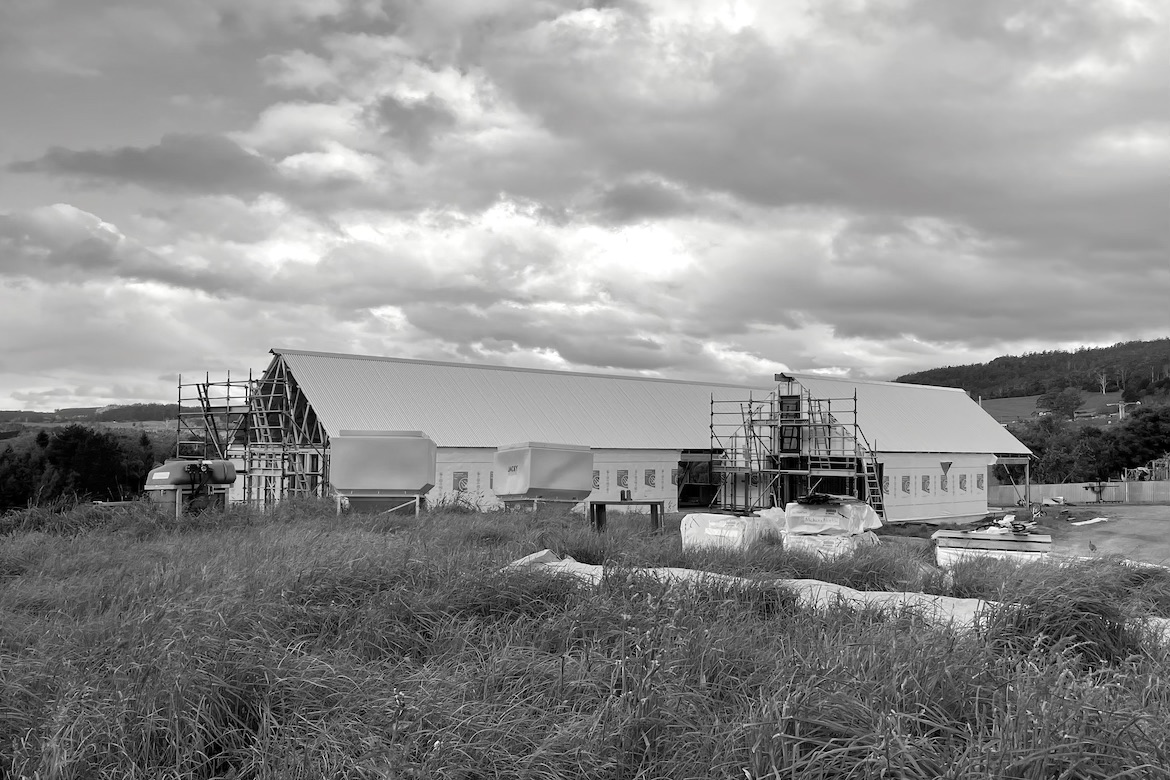
The built form is a singular functional object separated into pieces and strung out across the hill between road and river.
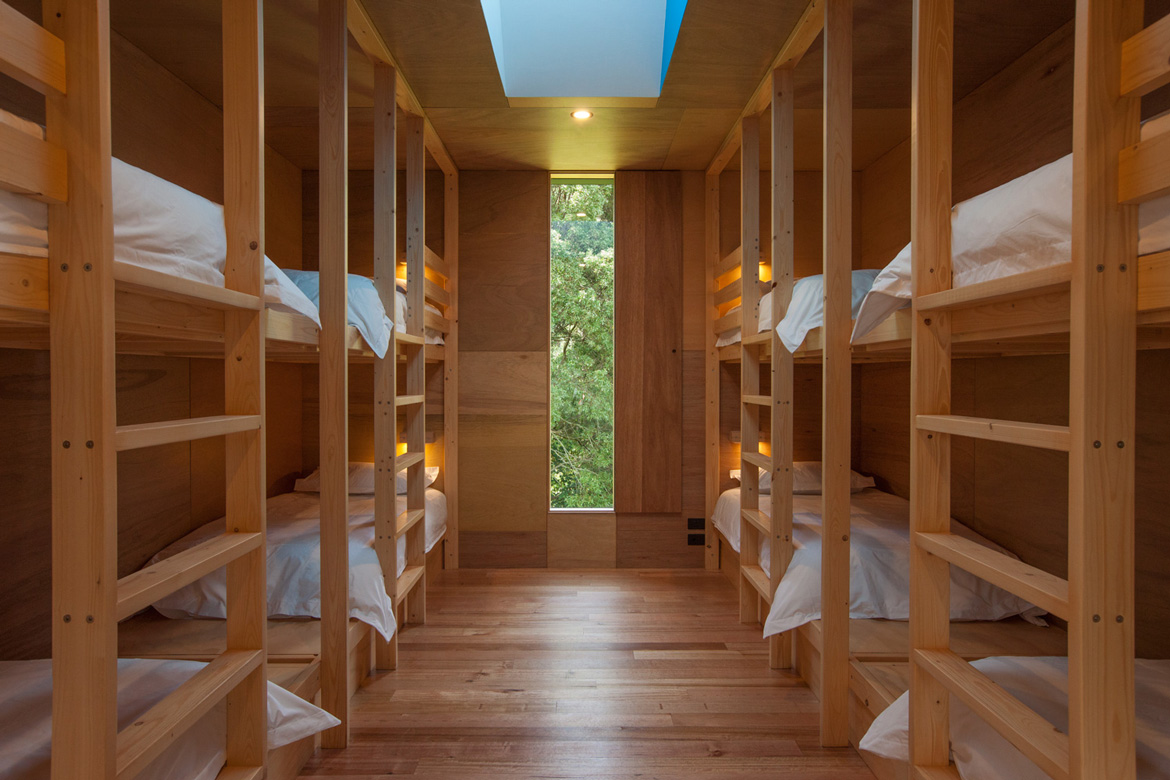
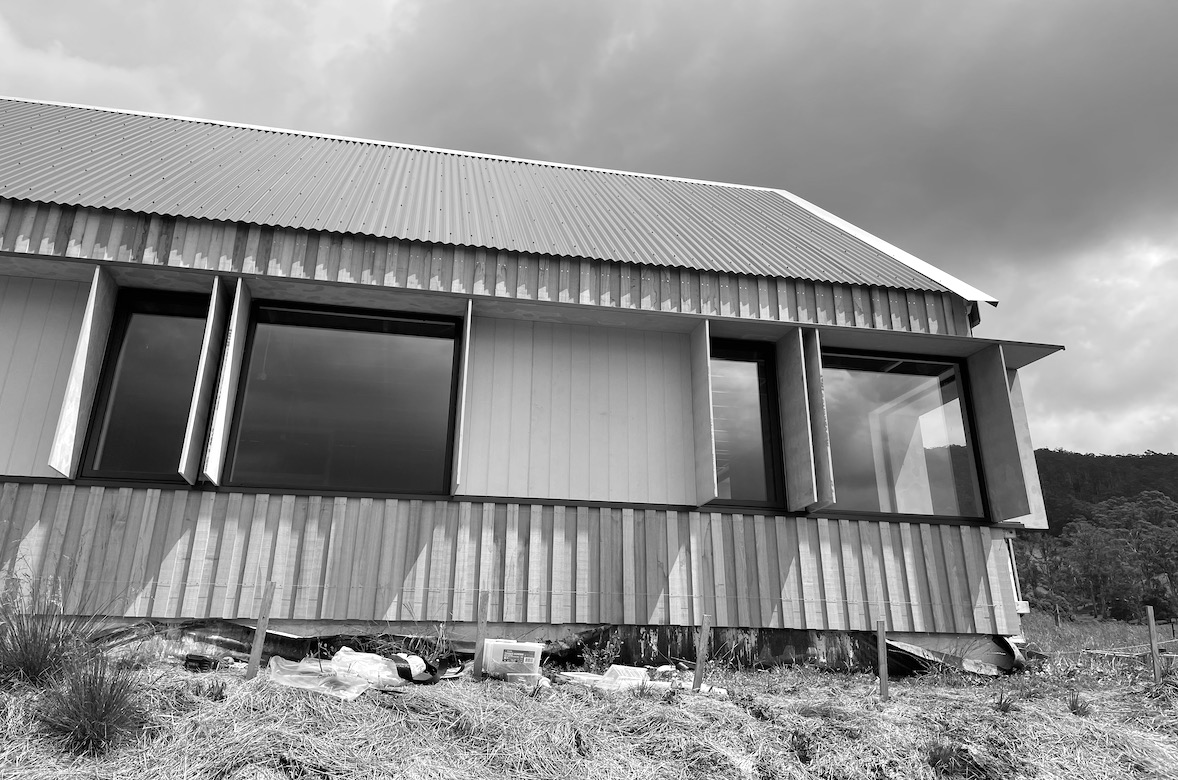
Gaps become significant framing moments of eucalypt forest while nighttime gable lighting castes a permanent golden hue to greying timber walls; a memory of the raw timber cut, glowing on the outskirts of town.
Photographer
Luke Hesketh
TV Feature – Australia By Design Architecture Season 4

Awarded 2019 Tasmanian Architecture Awards
The Barry McNeill Award For Sustainable Architecture
Award Jury Citation:
“On a steep block of land between the main road and the Ringarooma River, Dales Of Derby is a well-mannered and beautifully detailed building. The building is naturally ventilated and the heavily insulated envelope is warmed by passive solar gain. Solar photovoltaics on the roof provide electricity for use during the day and power an efficient heat pump hot water system that stores hot water in a series of cylinders under the building. The reliance on natural and renewable materials contribute to the cosy and yet pared-back aesthetic. The result is an intriguing exemplar for future sustainable tourism development in the region.”
Awarded 2019 Tasmanian Architecture Awards
Award For Commercial Architecture
Award Jury Citation:
“Over the last few years the small town of Derby in northeast Tasmania has experienced exponential growth in visitor numbers as the town has transformed into a world-class, international mountain biking destination. On a steep grassy bank, a long, linear, gabled form stretches along the contours, providing accommodation for these mountain bikers. The building, clad in vertical band-sawn Tasmanian Oak and galvanised steel cladding, is both familiar and curious. Details and invention driven by economy abound, interspersed with moments of irreverence and bold use of colour, while built-in furniture, joinery and other bespoke elements have a beautifully simple, workmanlike quality to their design and resolution.”
Awarded 2019 Sustainability Awards
Commercial Architecture (Small)
Award Jury Citation:
“Designed as a base for adventure tourism and harking back to the farming history of the tin shed and the miners’ cottage, the Dales highlights the use of responsible timber, with fun and efficient lightweight design. With Solar PV and onsite waste treatment, this development will provide low impact accommodation for those travellers coming to enjoy the beauty of the natural surroundings.”
Honorable Mention 2019 International Design Awards



Valley House
Awarded
Commendation for Residential Architecture – Houses (New)
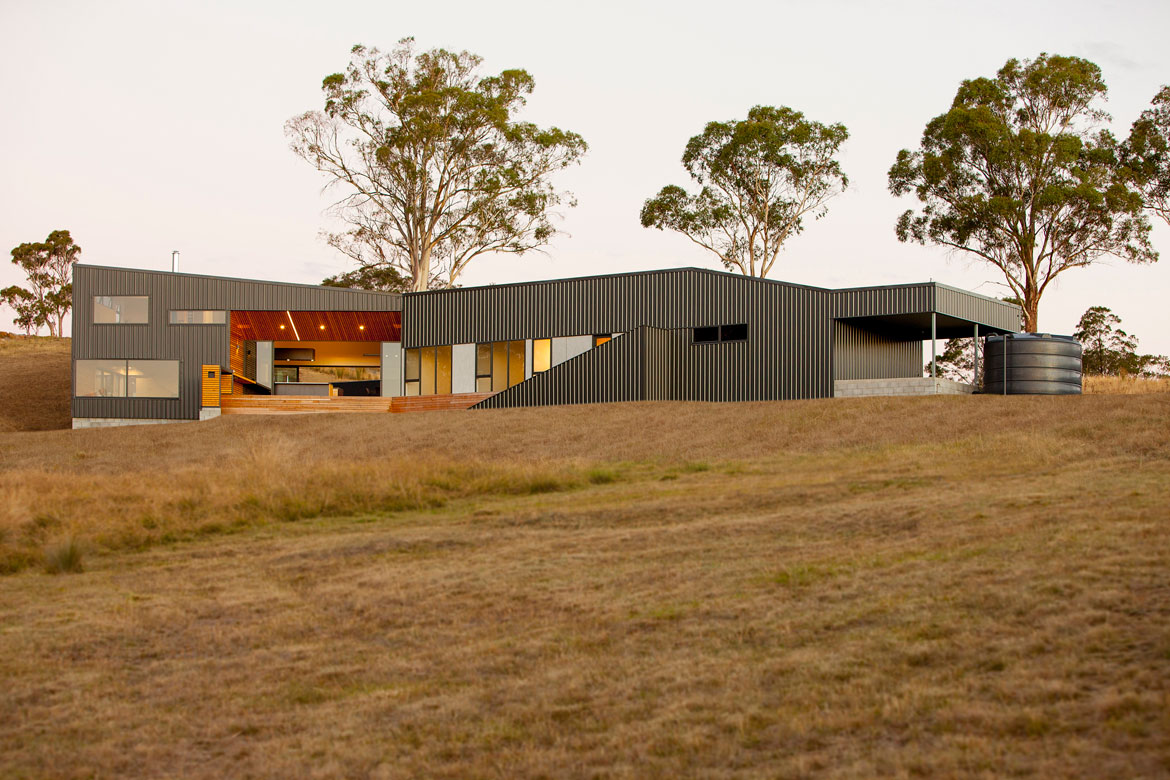
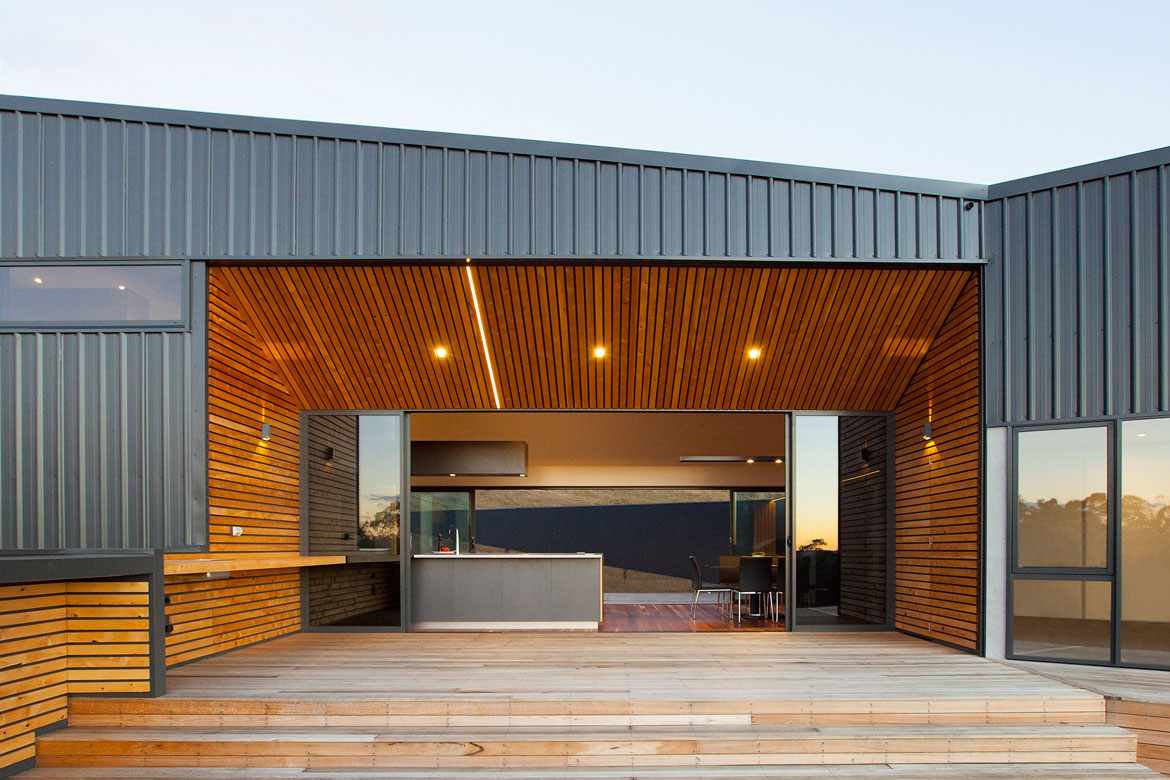
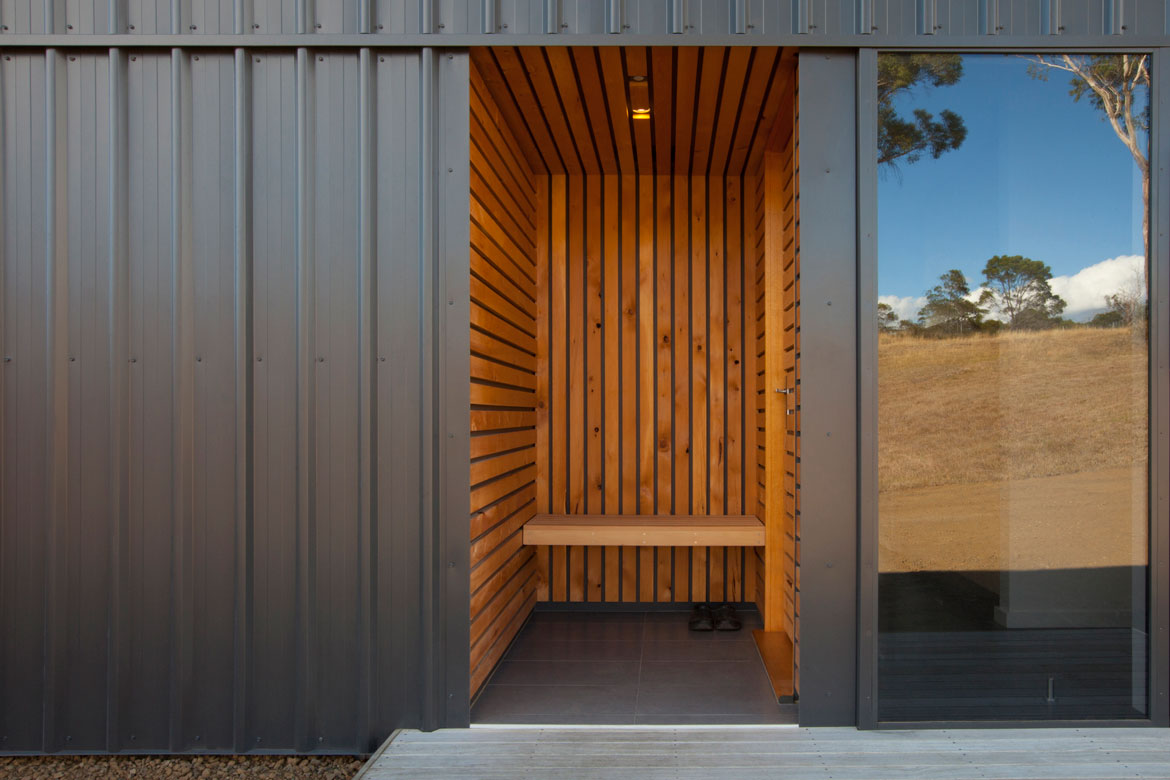
“Valley House sits with confidence and purpose in its landscape…….and the ‘uncovering’ of timber at entry points adds warmth and intimacy to its dark shell.” - Jury Citation.
Valley House Winner 2016 Smeg Tour to the Venice Architecture Biennale
Design Statement
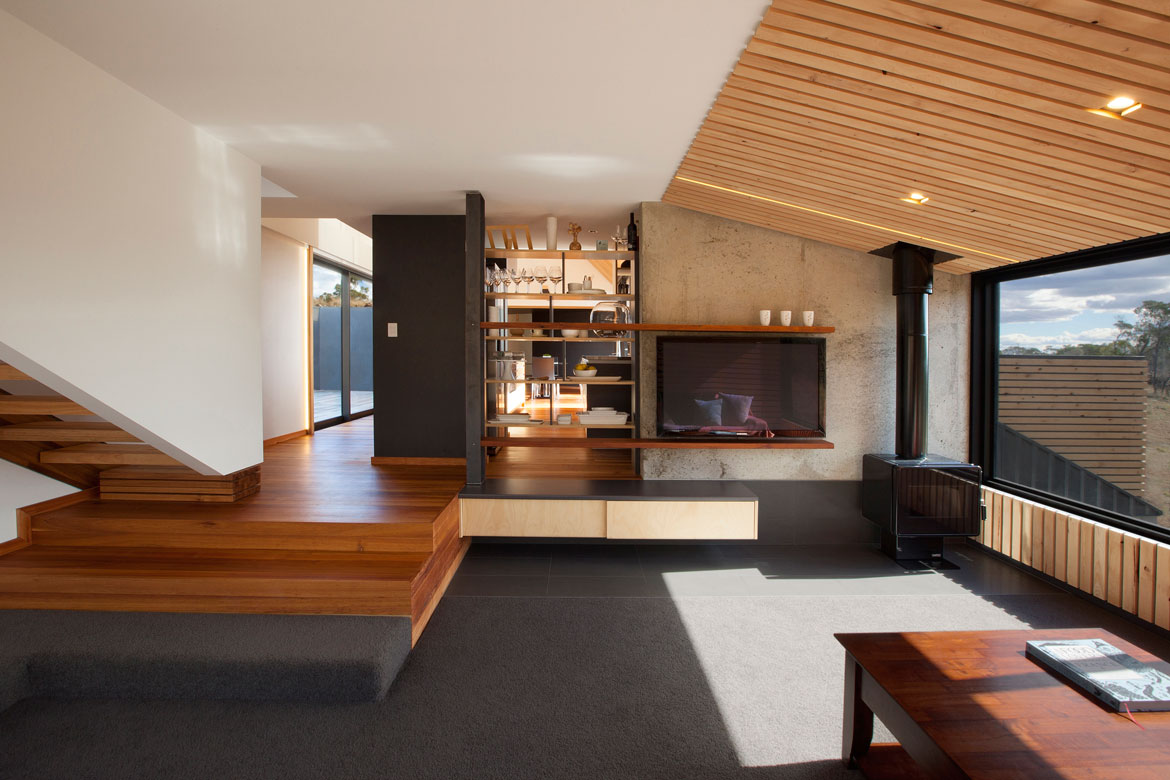
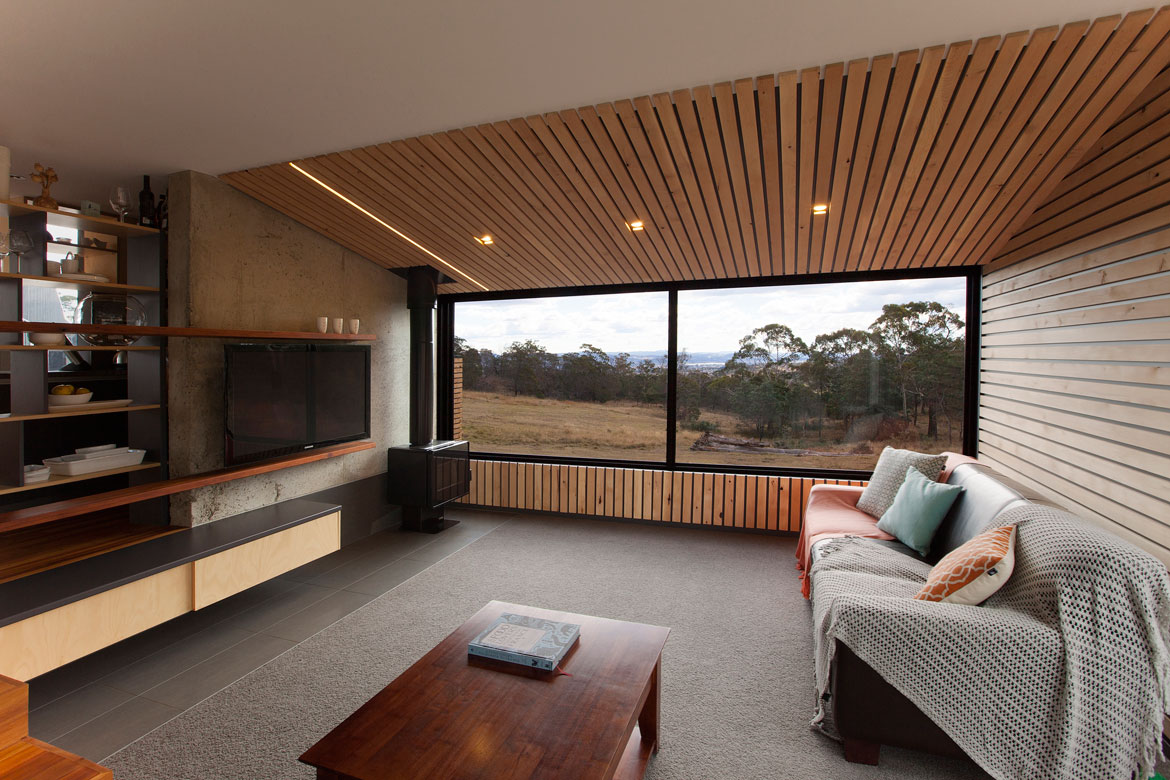
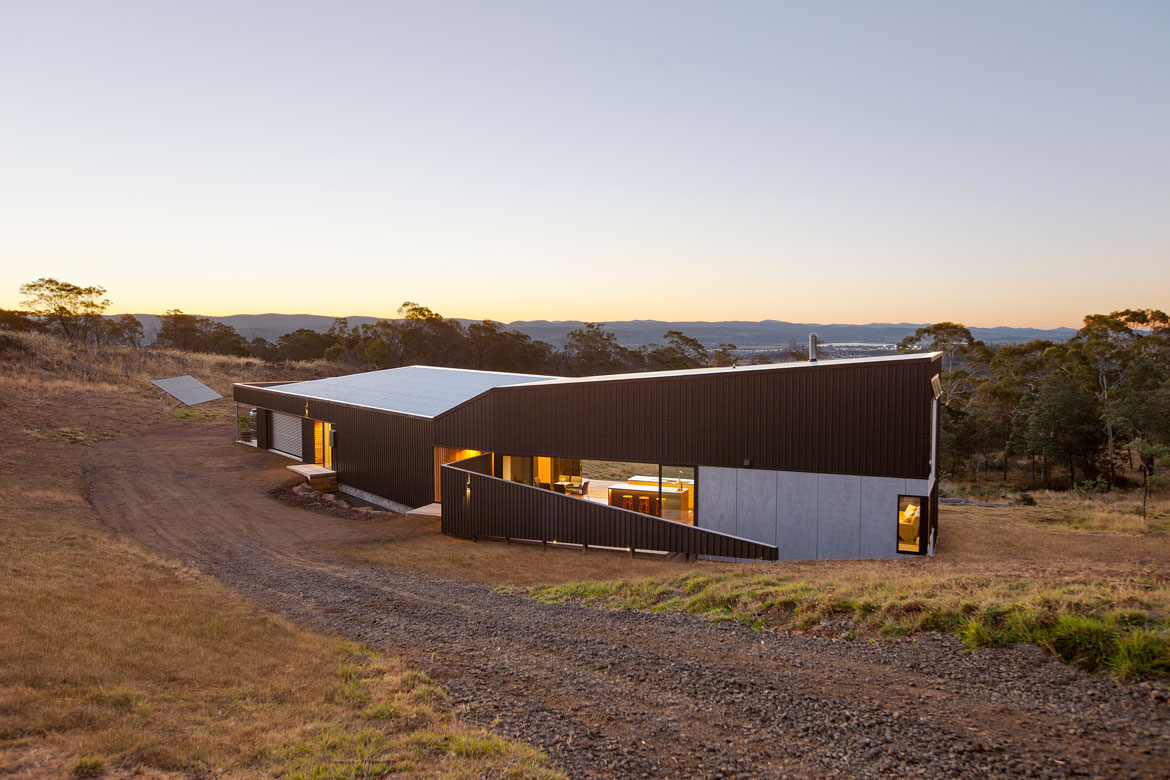
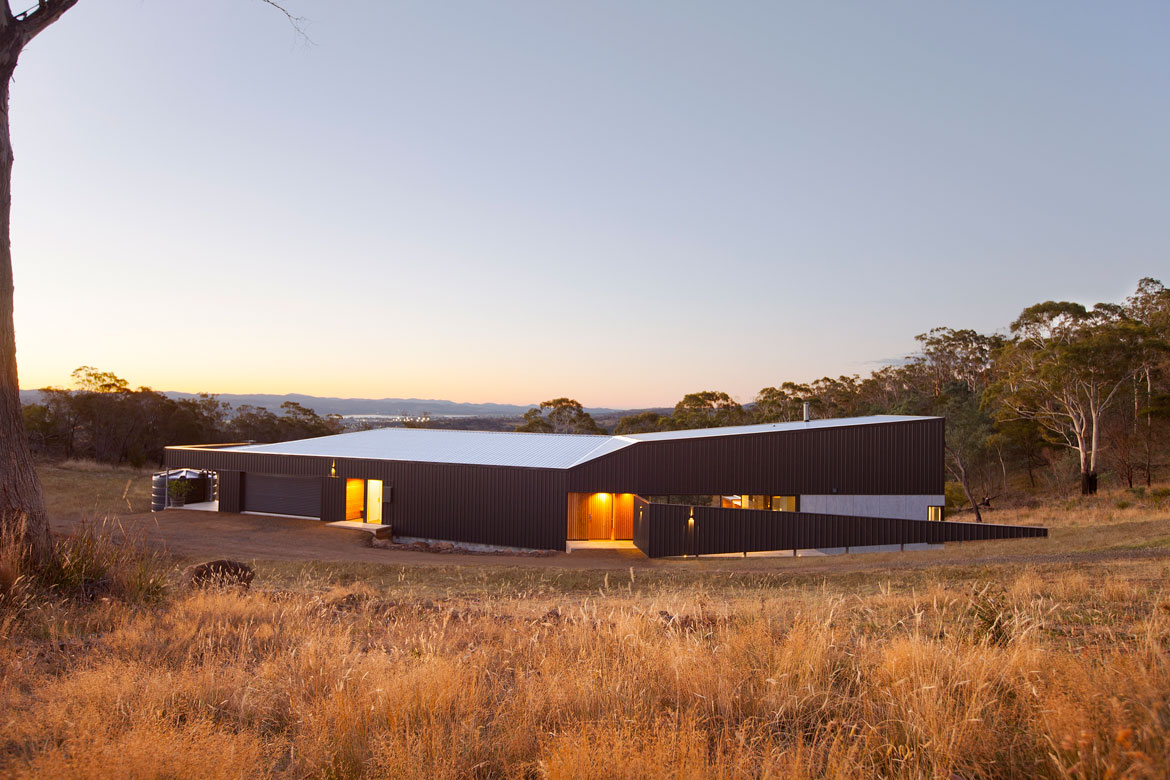
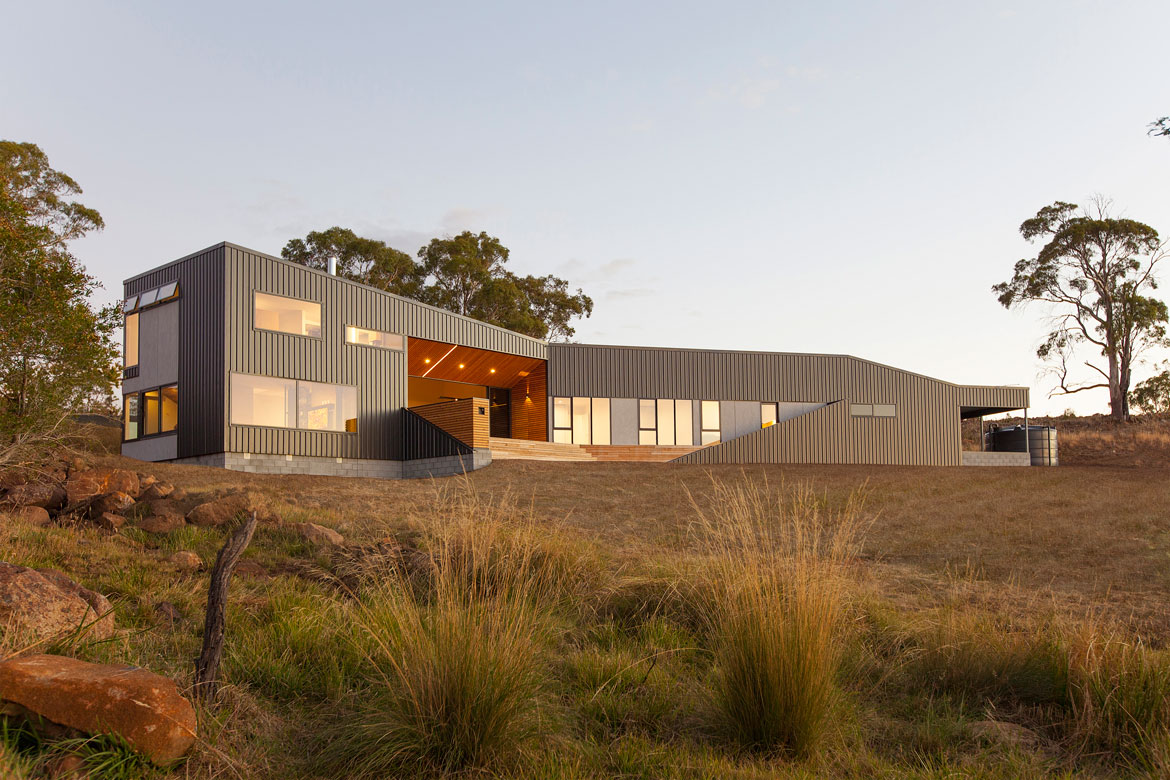
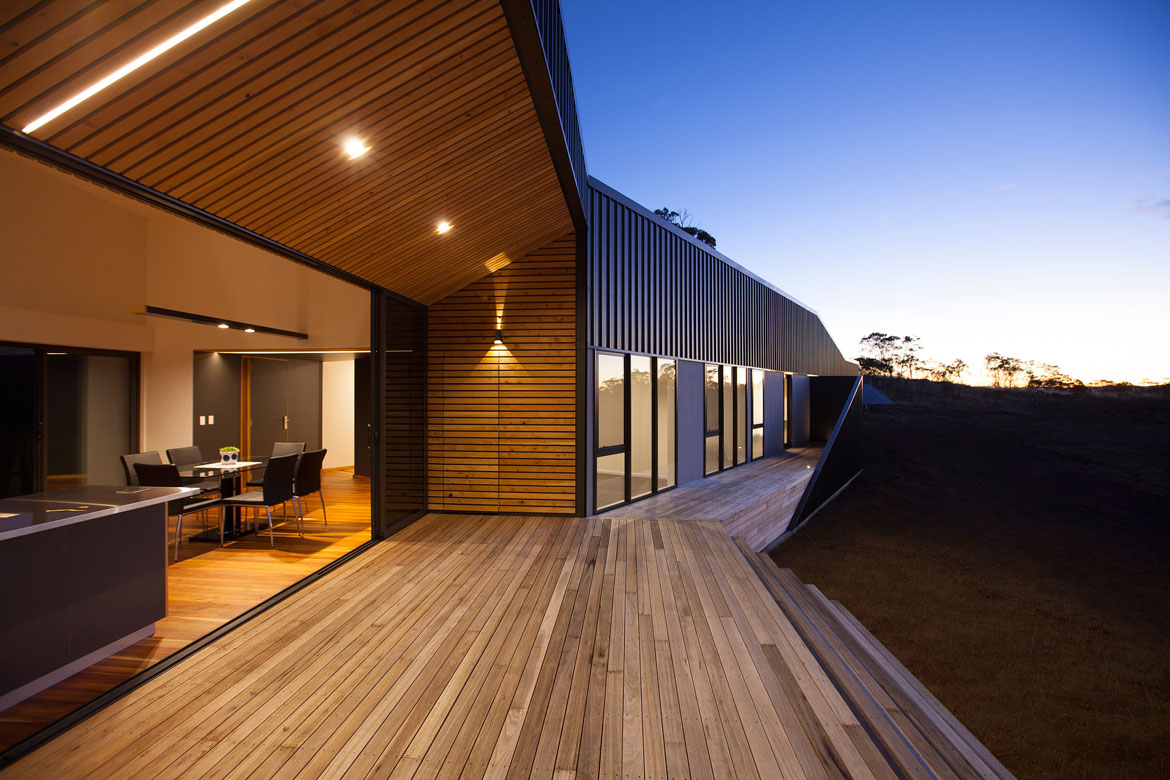
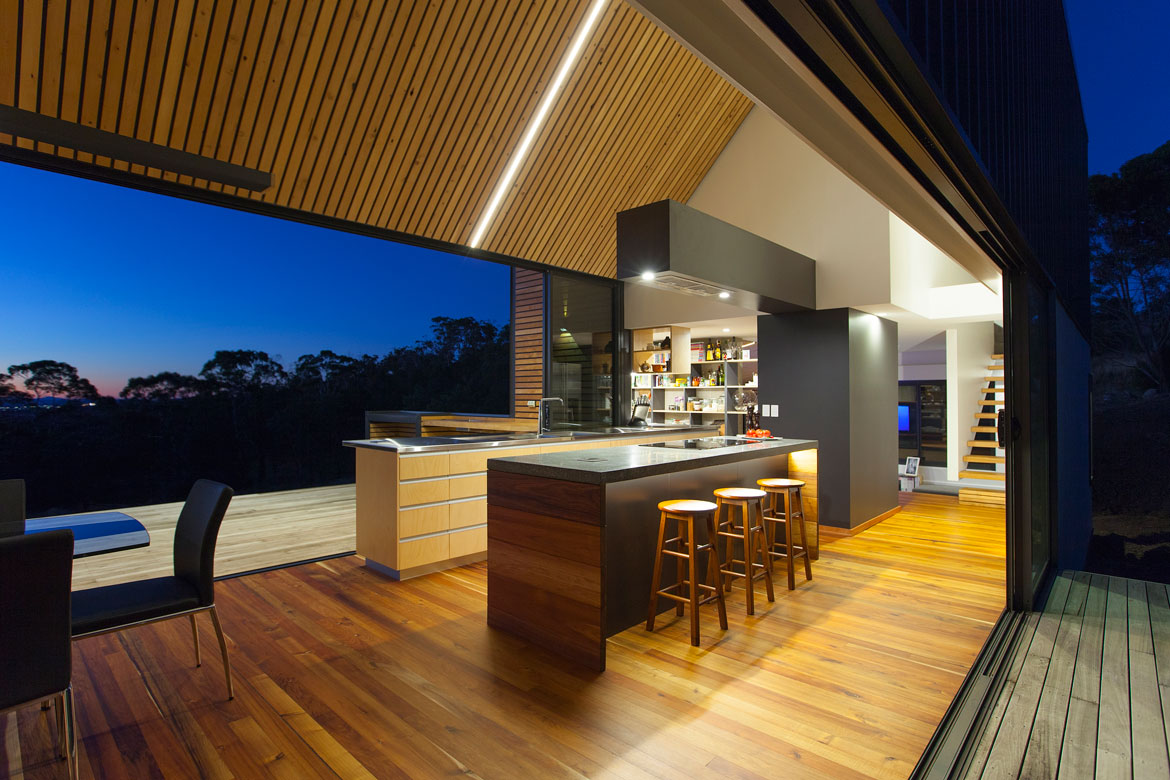
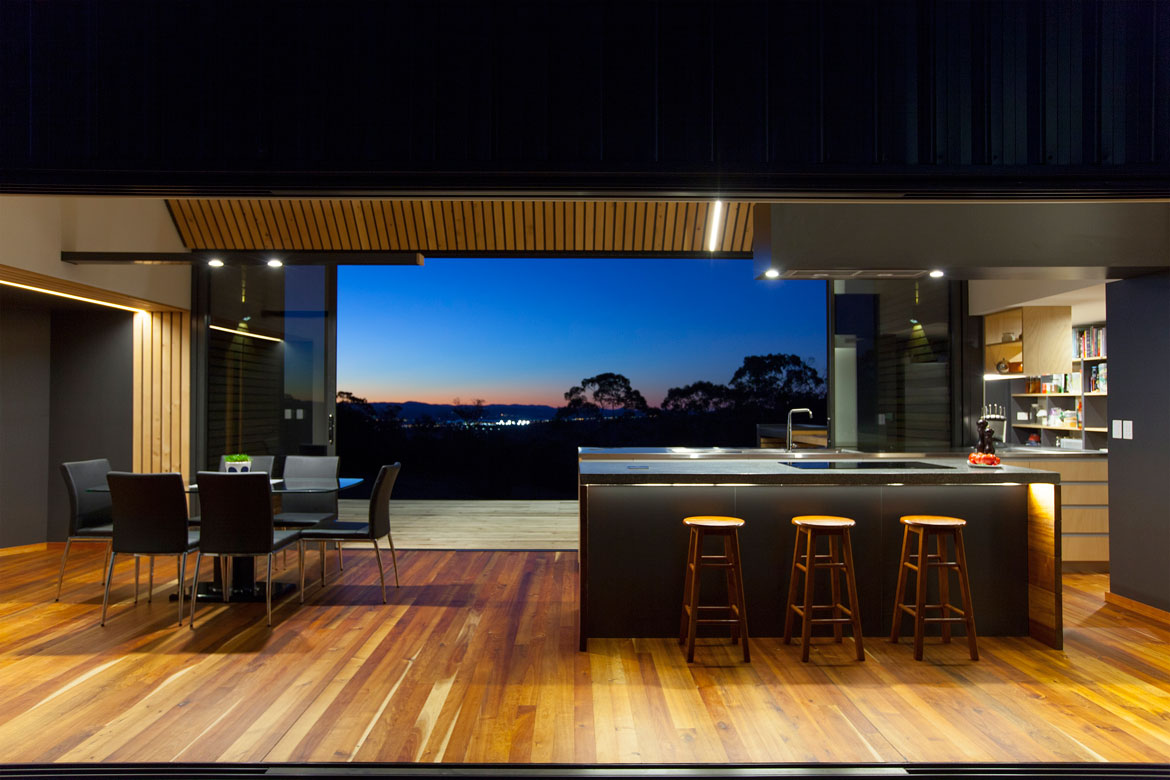
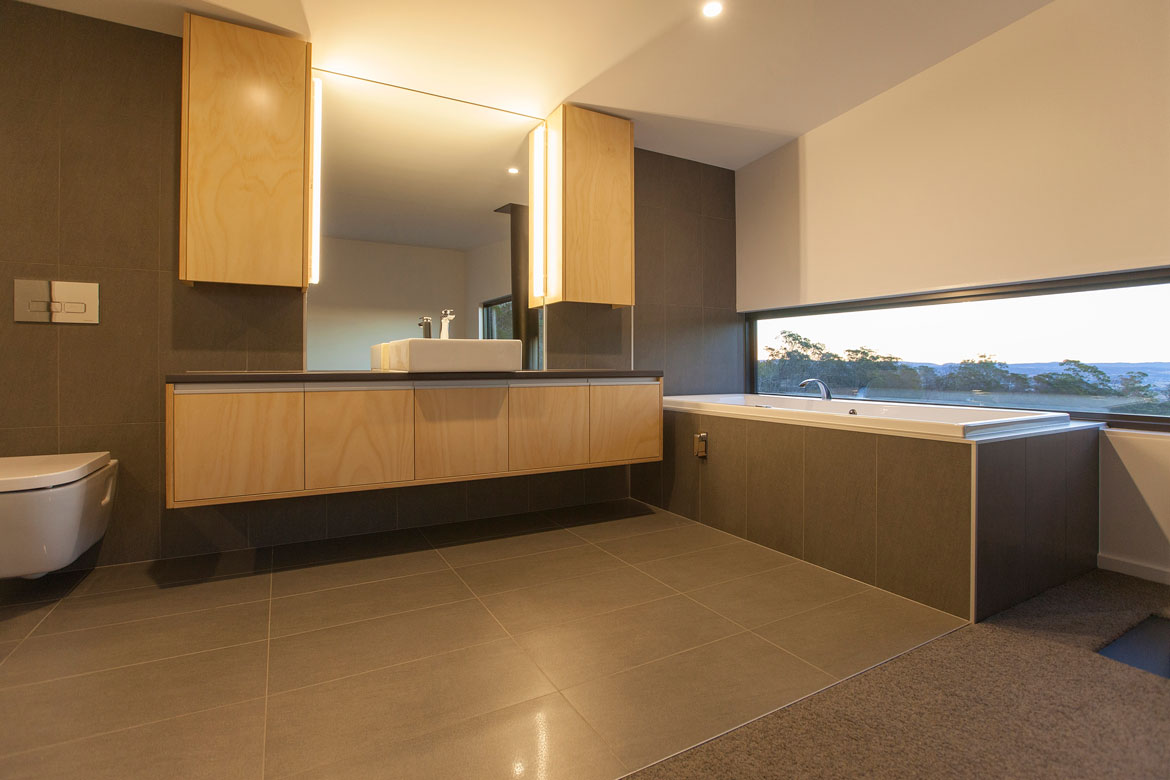
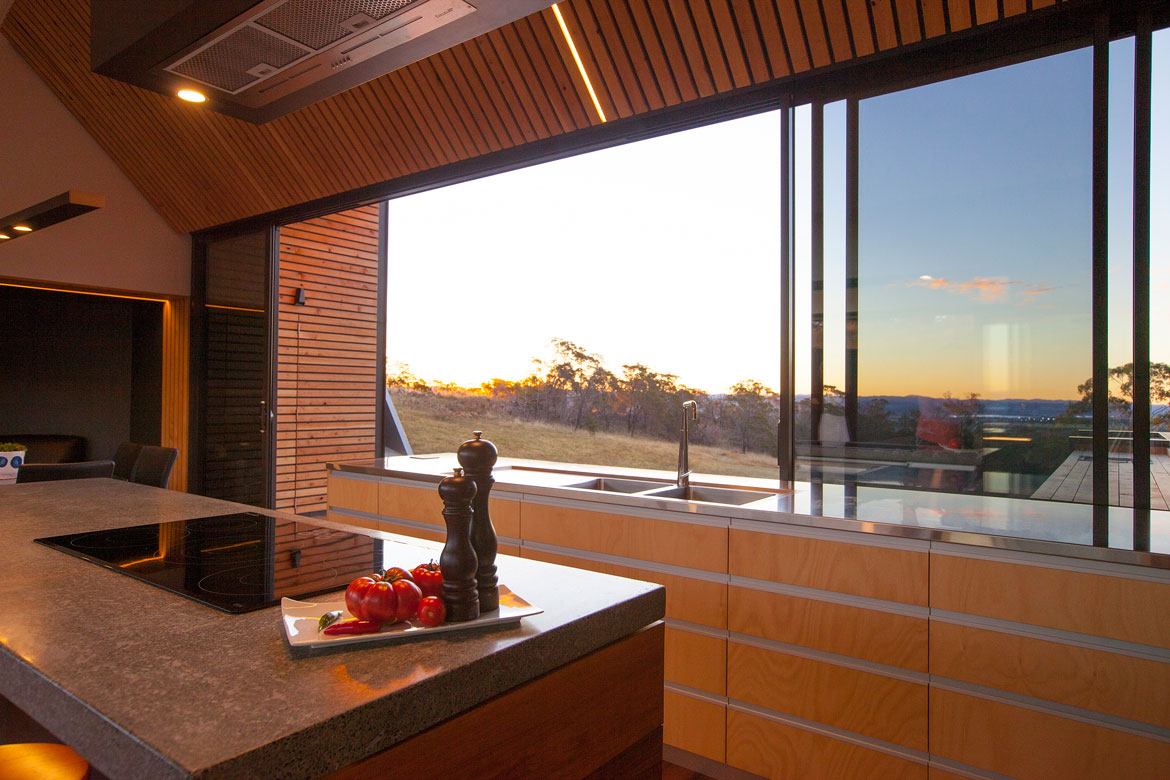
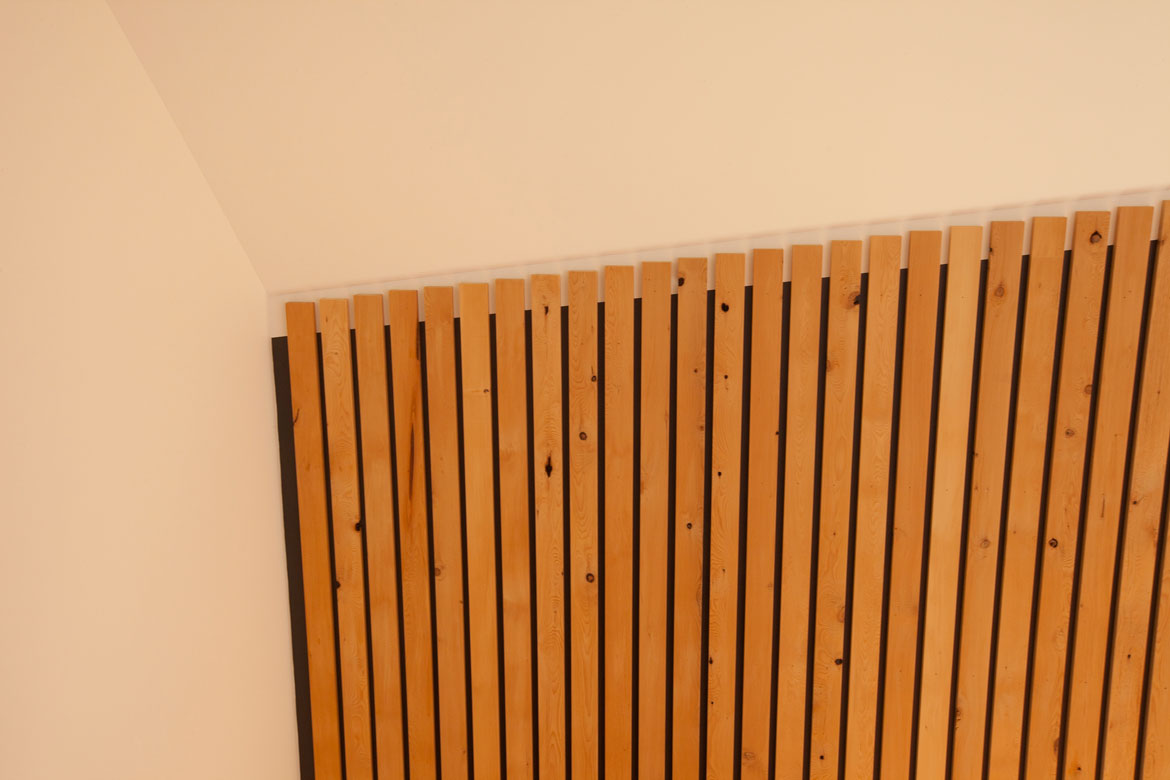
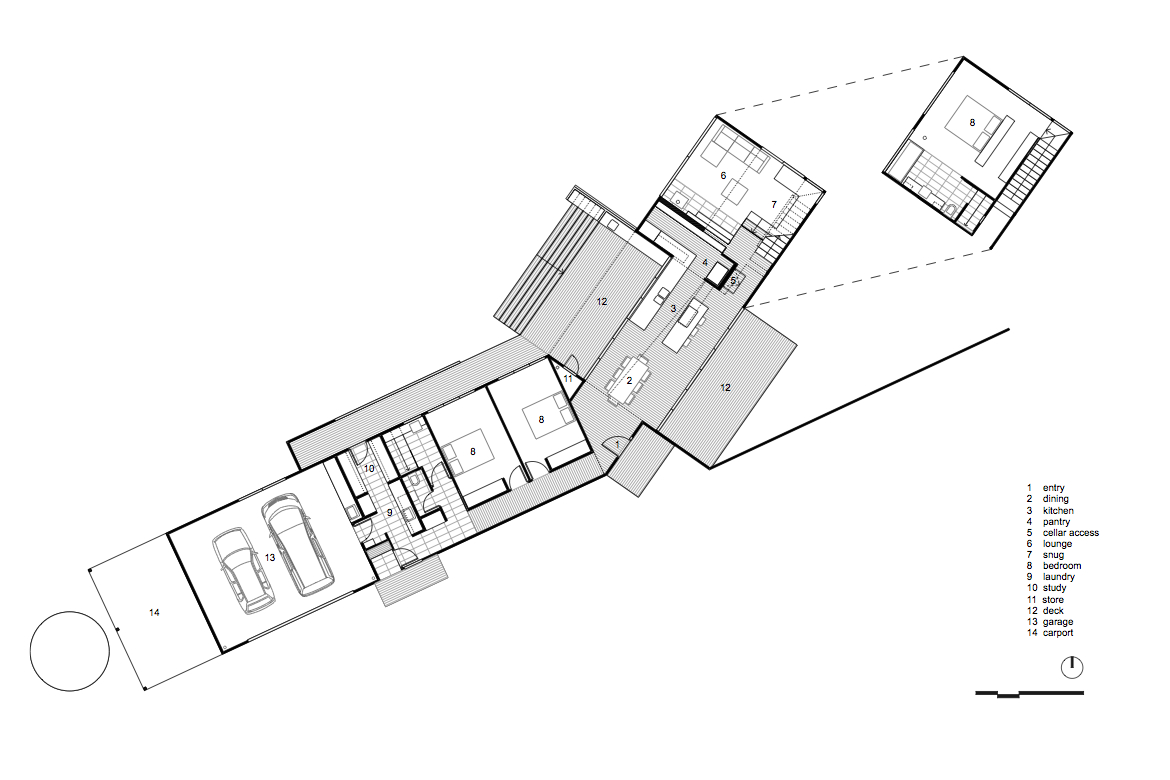
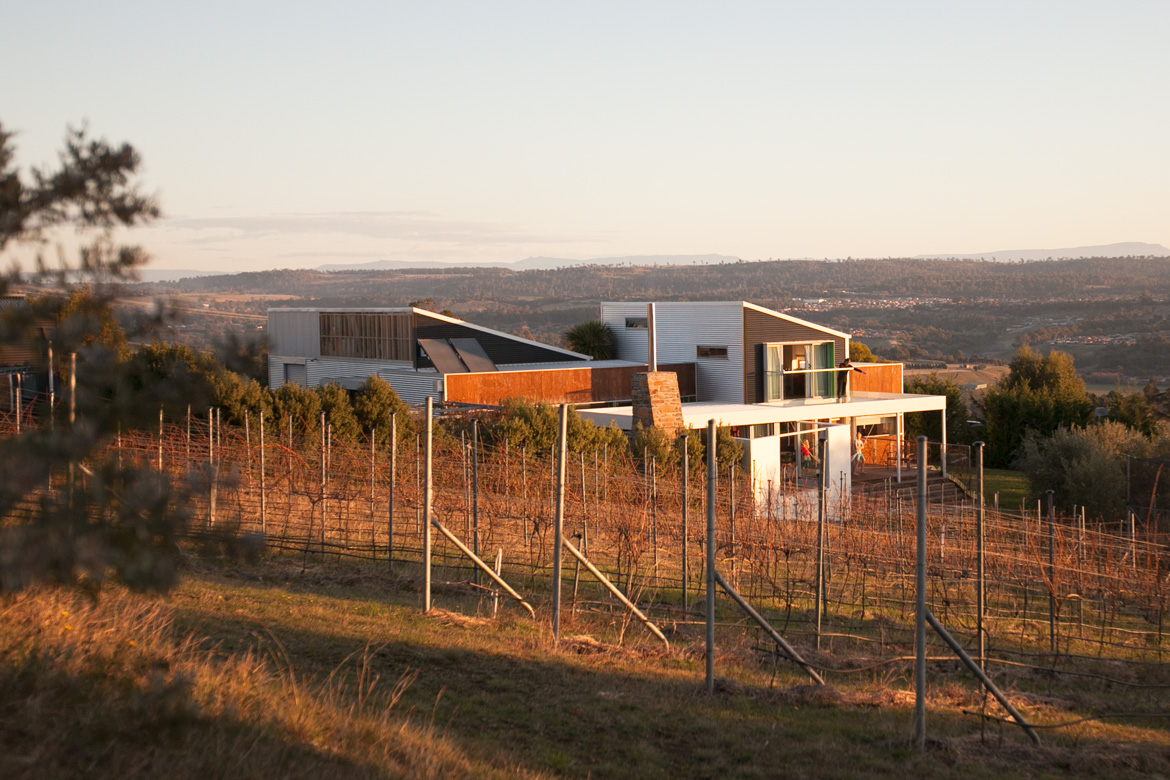
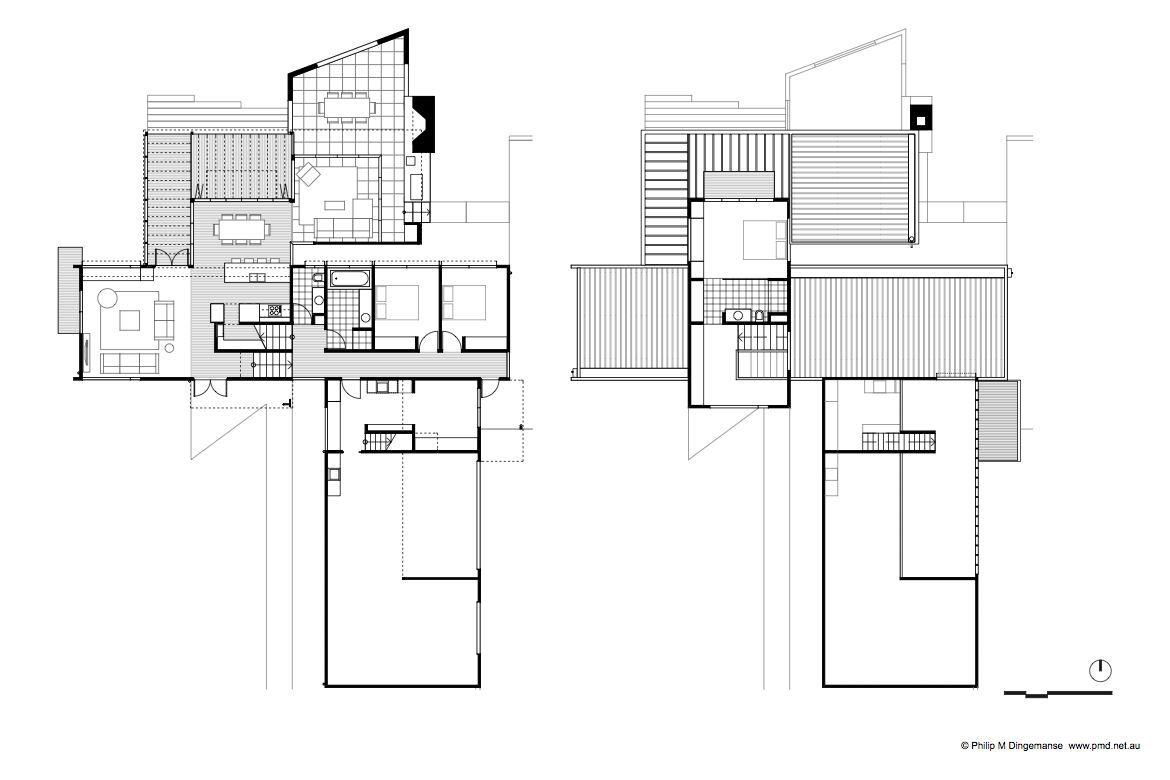
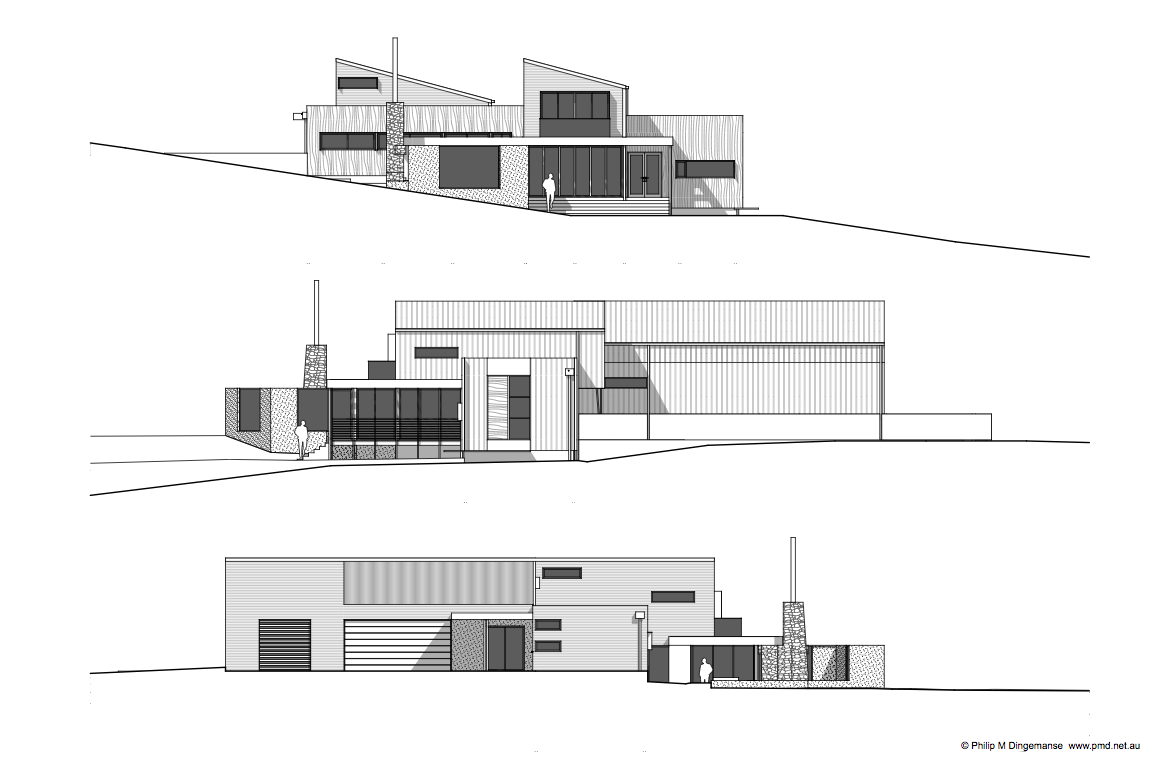
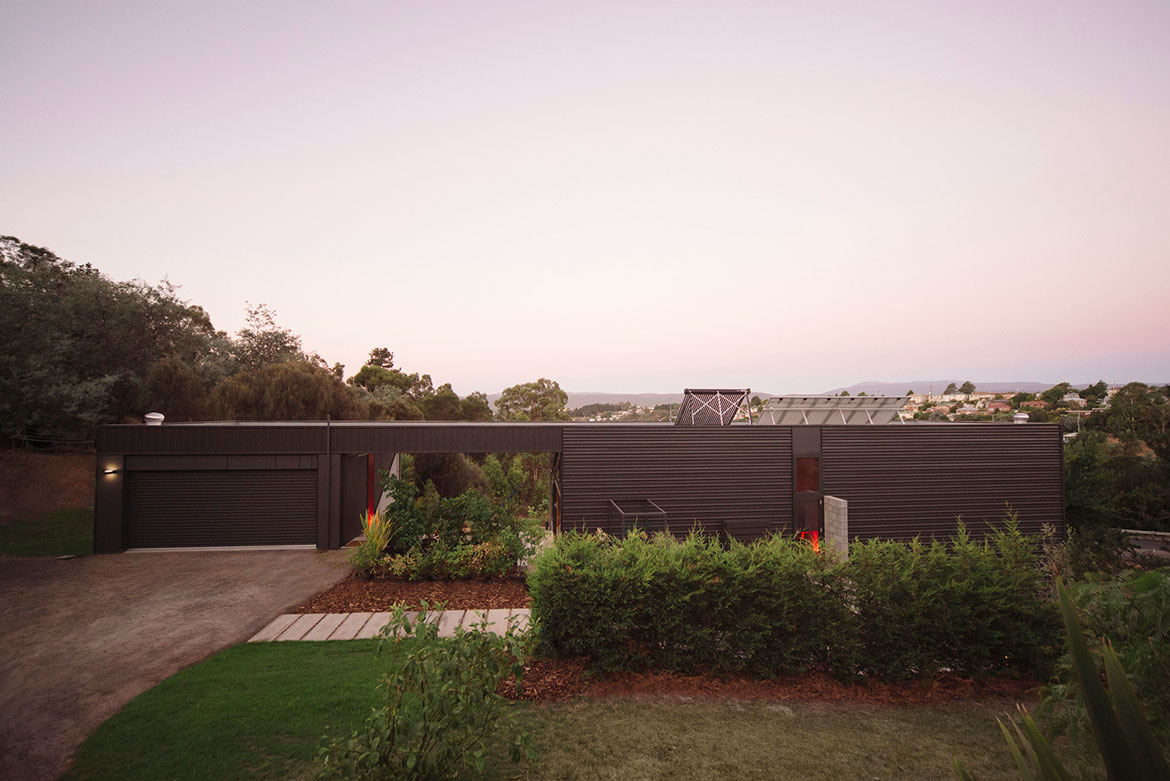
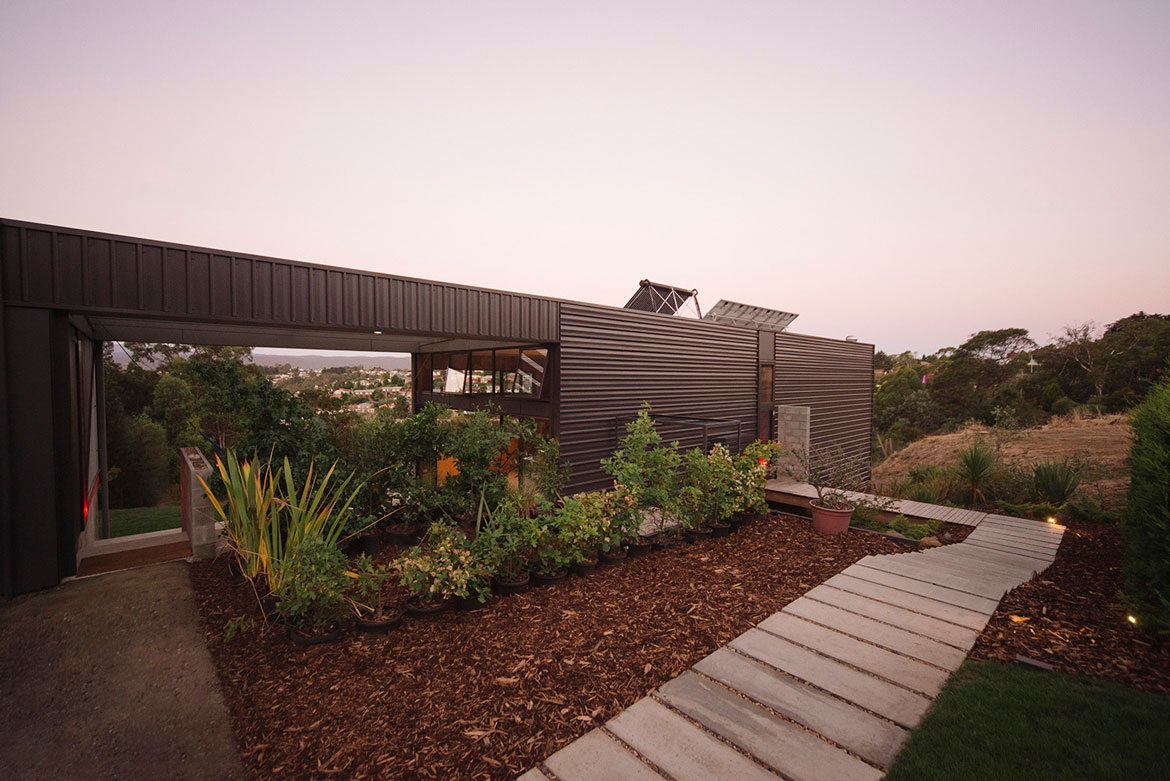
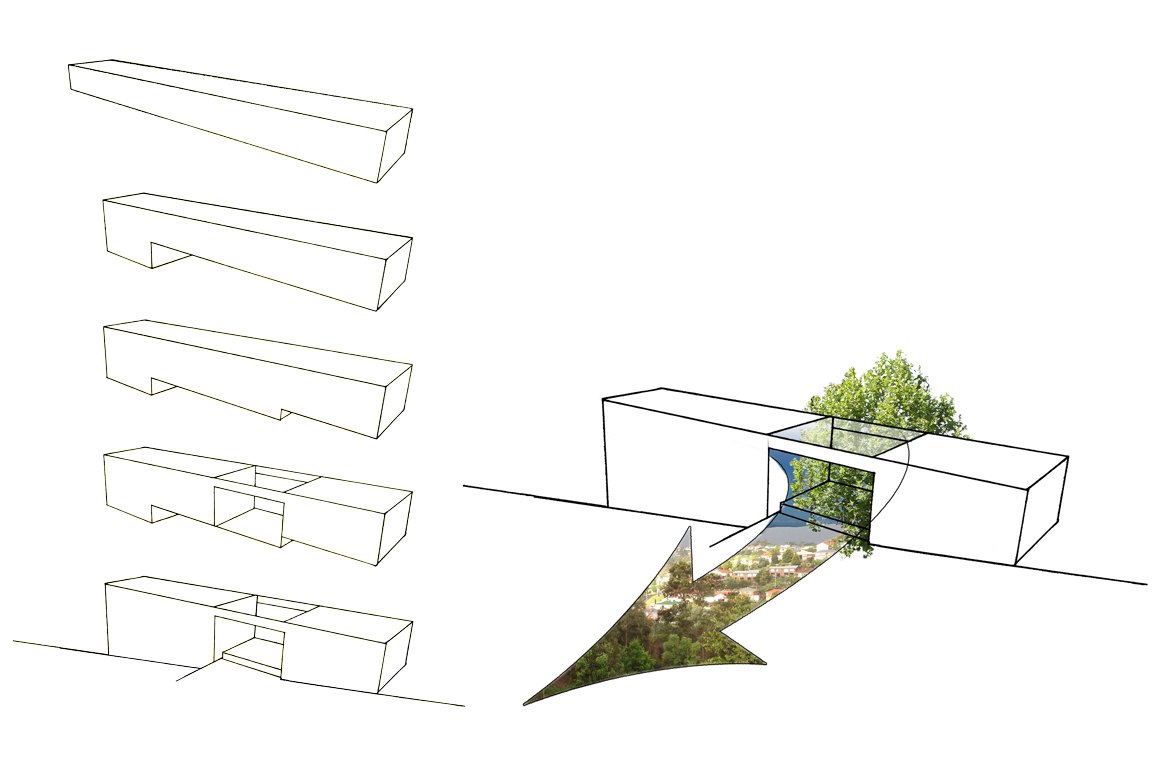
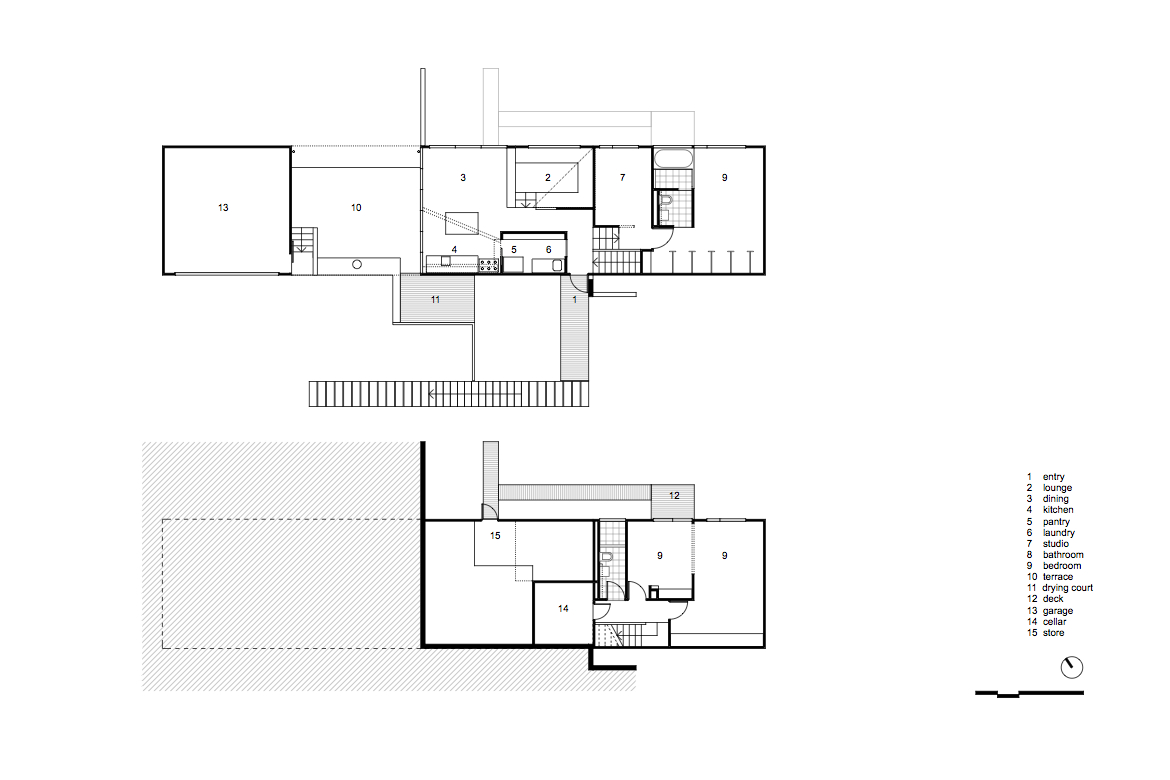
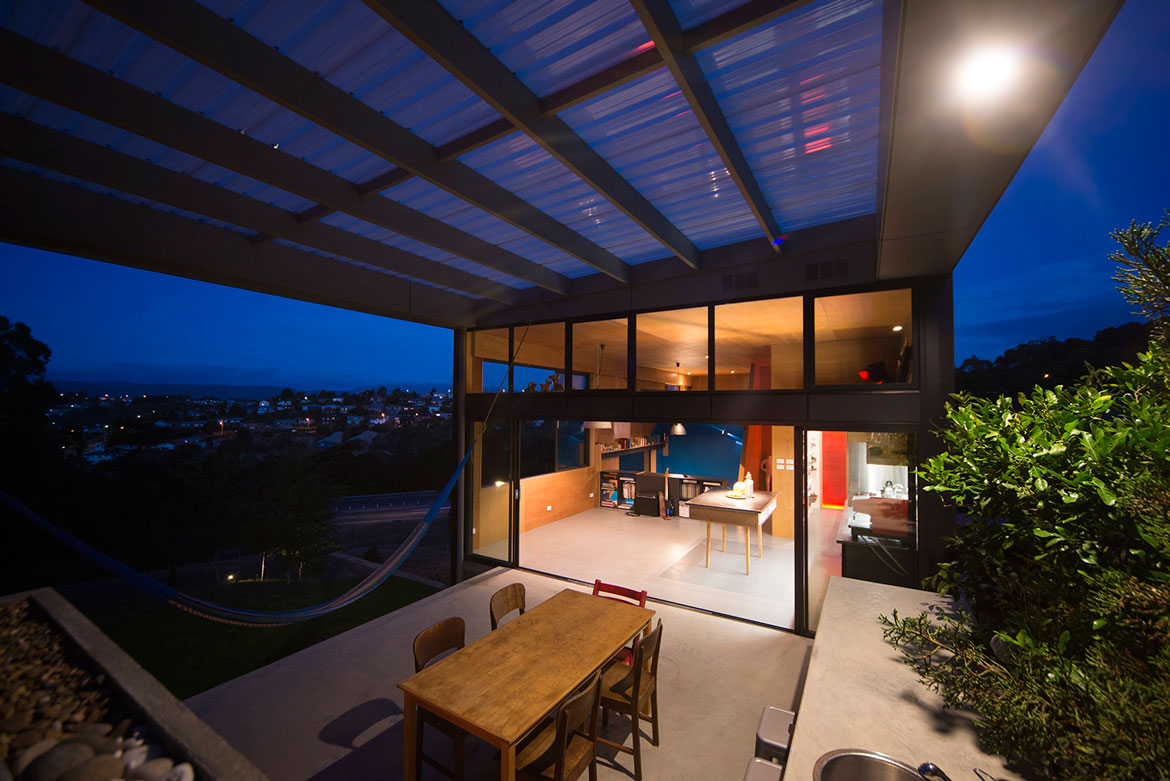
The Valley House is shaped and adapted to the contours of a northwest-facing valley. Viewing down to the nearby city and river beyond, the house is centred on this valley outlook. Formed as a singular continuous object rising to the valley edge, the principal design strategy is focused on the kitchen where a generous opening is made through the full depth of the building. The suggestion is that the valley remains continuous through the house with outdoor living areas on either side accommodating variable weather conditions. Parts of the building are pulled away forming protective wings and reveal the inhabitation of the home. Tasmania timbers are a particular focus in the thresholds between inside and outside, while the textural qualities of materials are further celebrated in the interior. In crafting a comfortable and personal family home, the scheme seeks to blend the complexities and subtleties of functional requirements with specific site and microclimatic conditions in a cohesive and consistent manner.
Photographer
Luke Hesketh
Design & Industry Awards
2016 – Philip M Dingemanse – Valley House – Winner – Venice Architecture Biennale & SMEG Tour, Italy – Australian Institute Of Architects.
2015 – Philip M Dingemanse – Valley House – Commendation for Residential Architecture – Houses (New) – Australian Institute Of Architects Tasmanian Chapter.
2016 – Australian Steel Institute Vic & Tas Steel Excellence Award – Winner for Steel Excellence – Tasmania Award – Philip M Dingemanse – Valley House.
2016 – Australian Steel Institute Vic & Tas Steel Excellence Award – Winner for Steel Excellence – Steel Clad Structures – Philip M Dingemanse – Valley House.
Winner – Philip M Dingemanse – Valley House – #COLORBONDbyDesign – National Magazine Campaign Competition.
2015 – Master Builders Australia National Awards for Excellence – Valley House – 1st Place Dwelling $350,000 to $500,000 (Streefland Homes & Developments)
2015 – Master Builders Tasmania Awards for Excellence – Valley House – 1st Place Dwelling $350,000 to $500,000 (Streefland Homes & Developments)
2015 – Housing Industry Association Awards – Tasmania – Valley House – Kitchen Of The Year (Impact Kitchens)
2015 – Housing Industry Association Awards – Tasmania – Valley House – New Kitchen Project (Impact Kitchens)
Media




Hilltop House
Northern Tasmania.
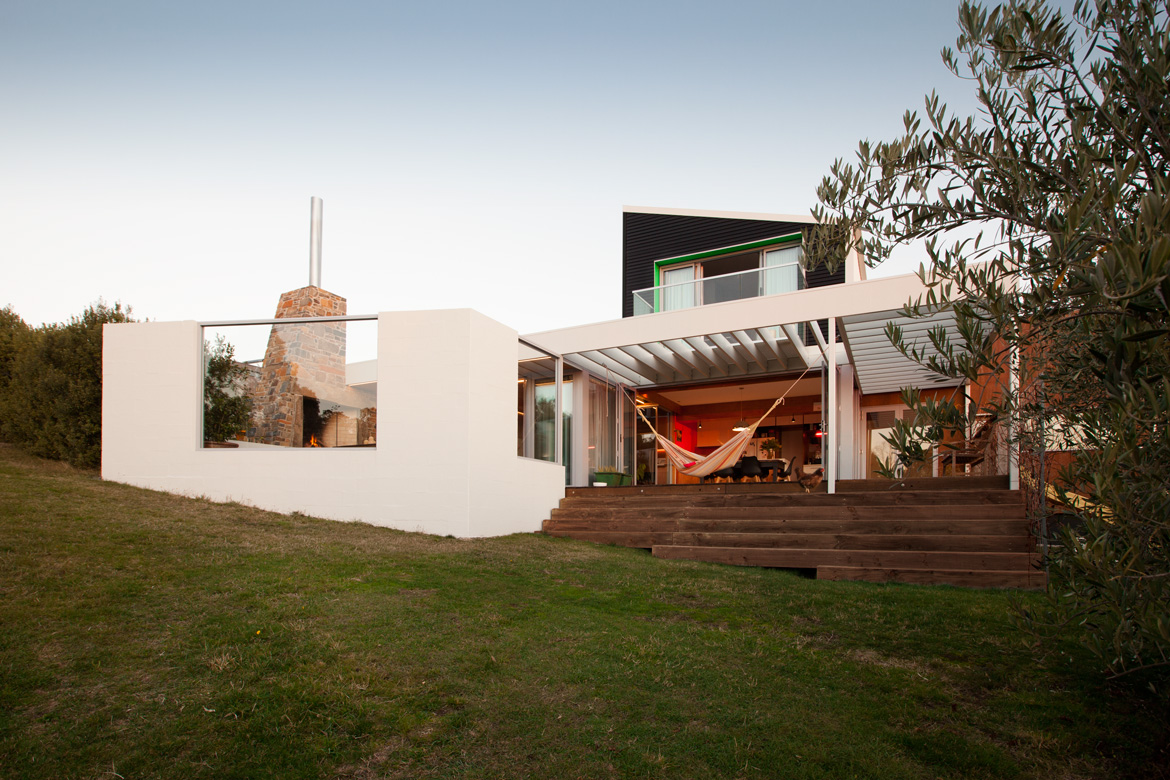
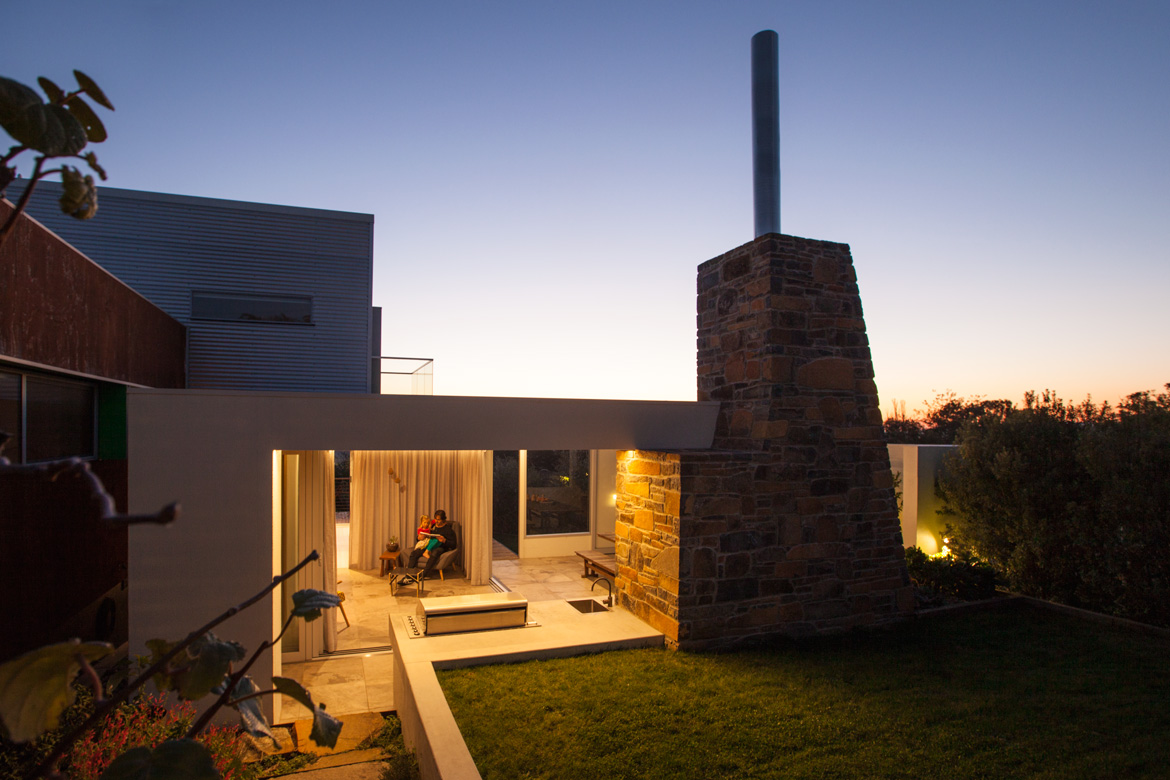
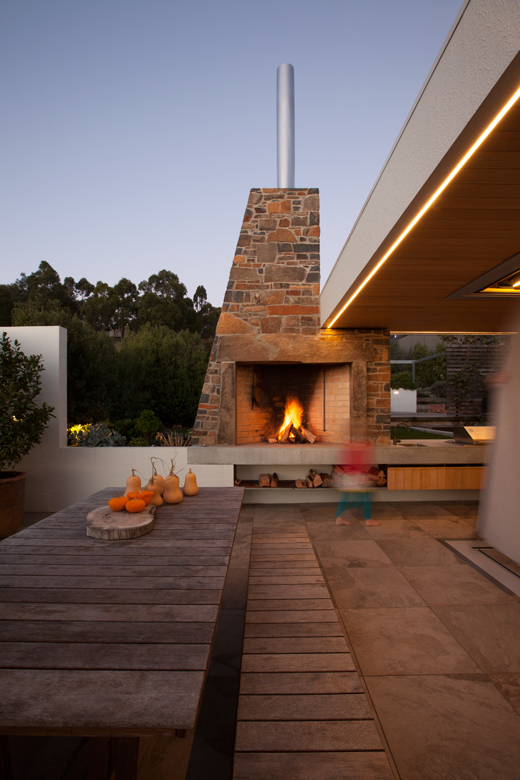
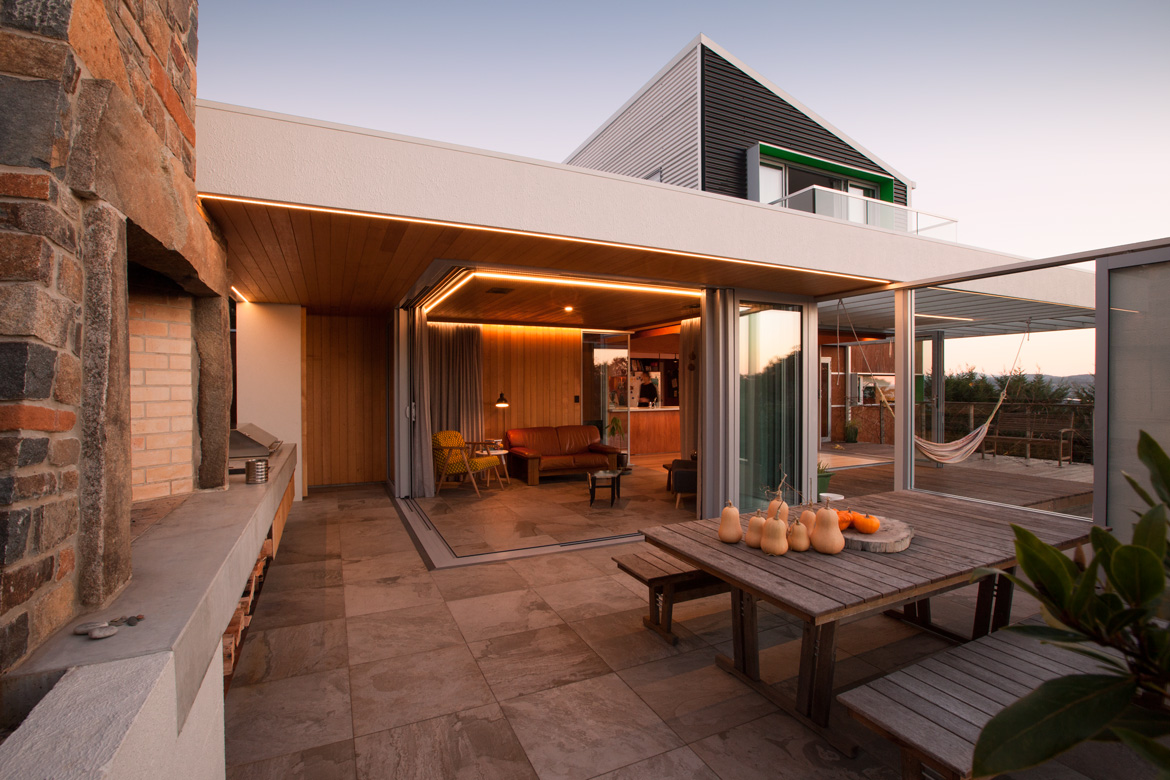
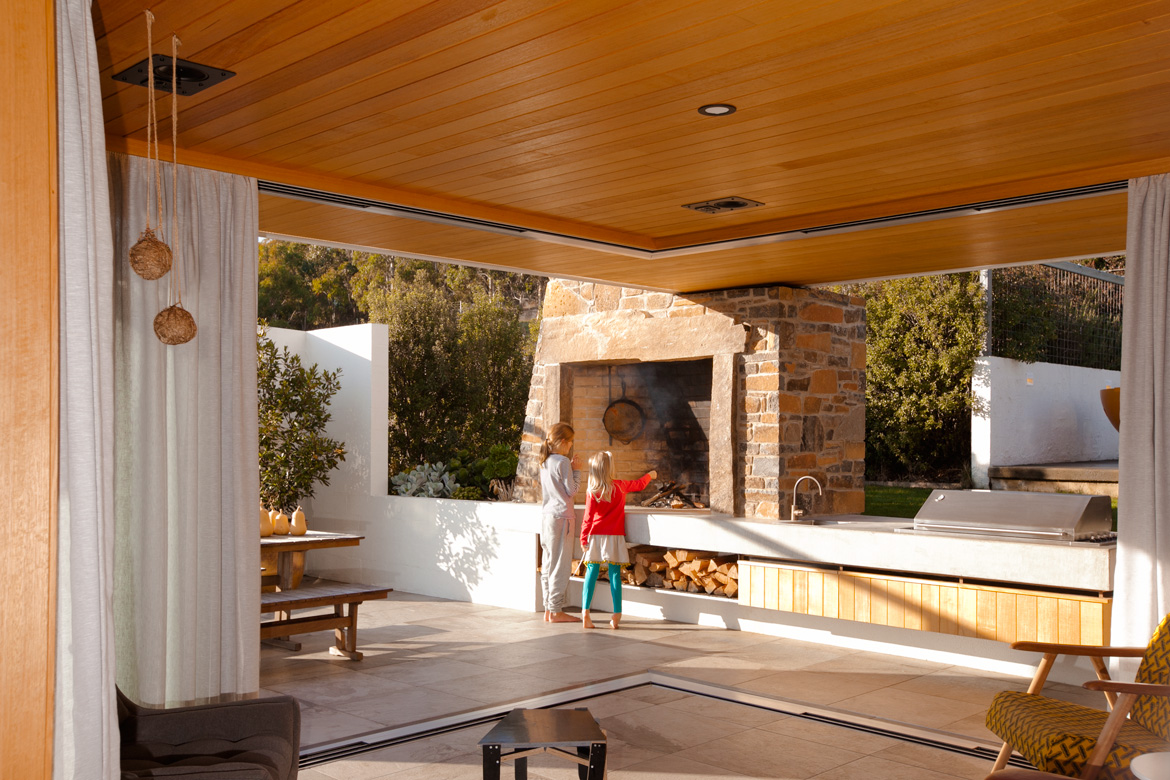
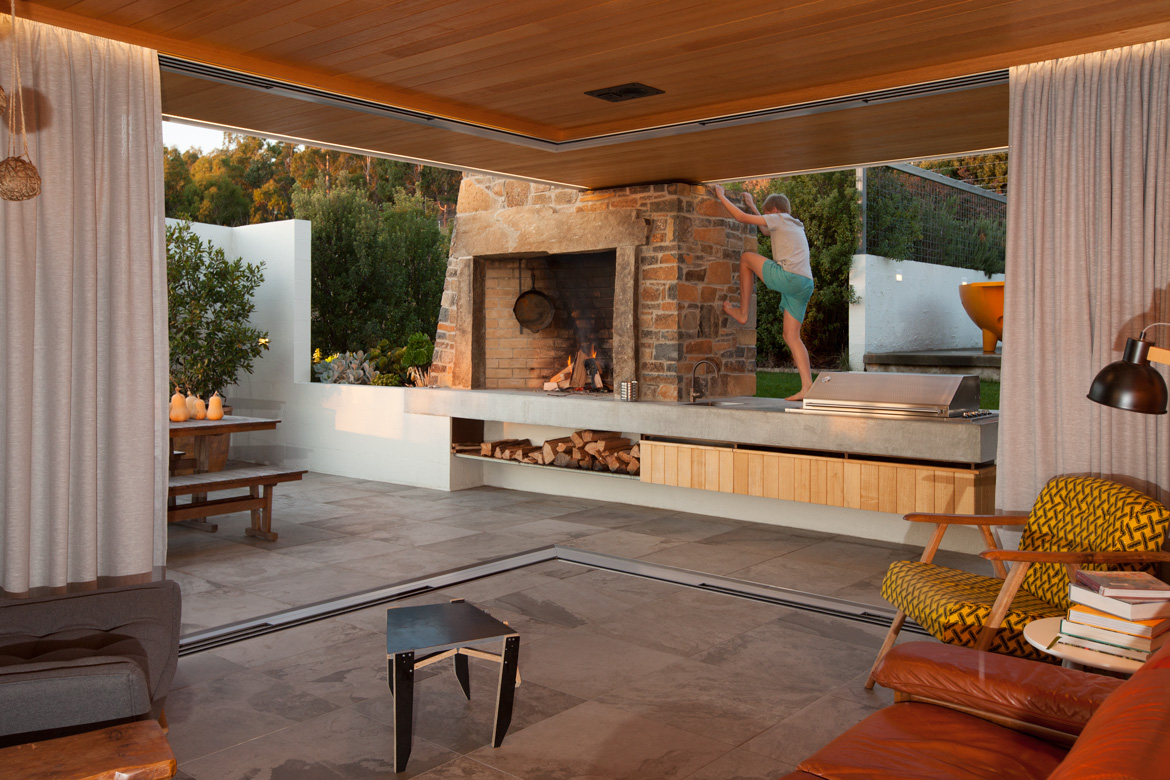
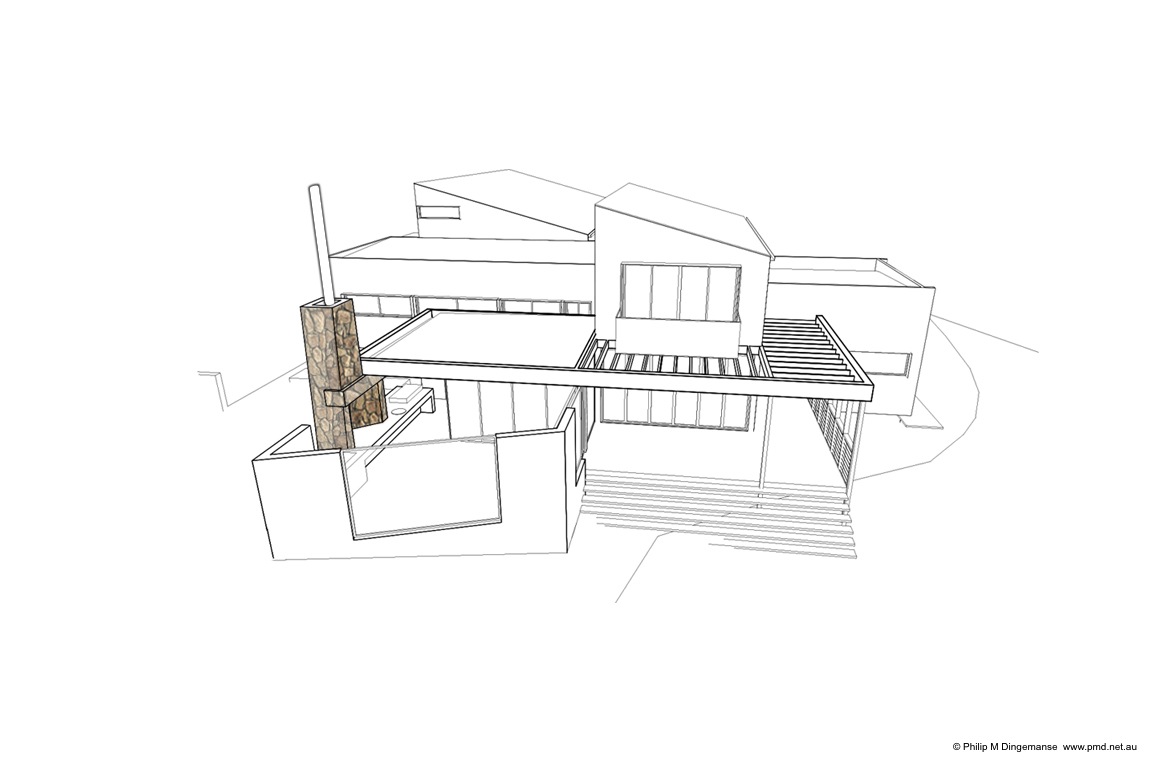
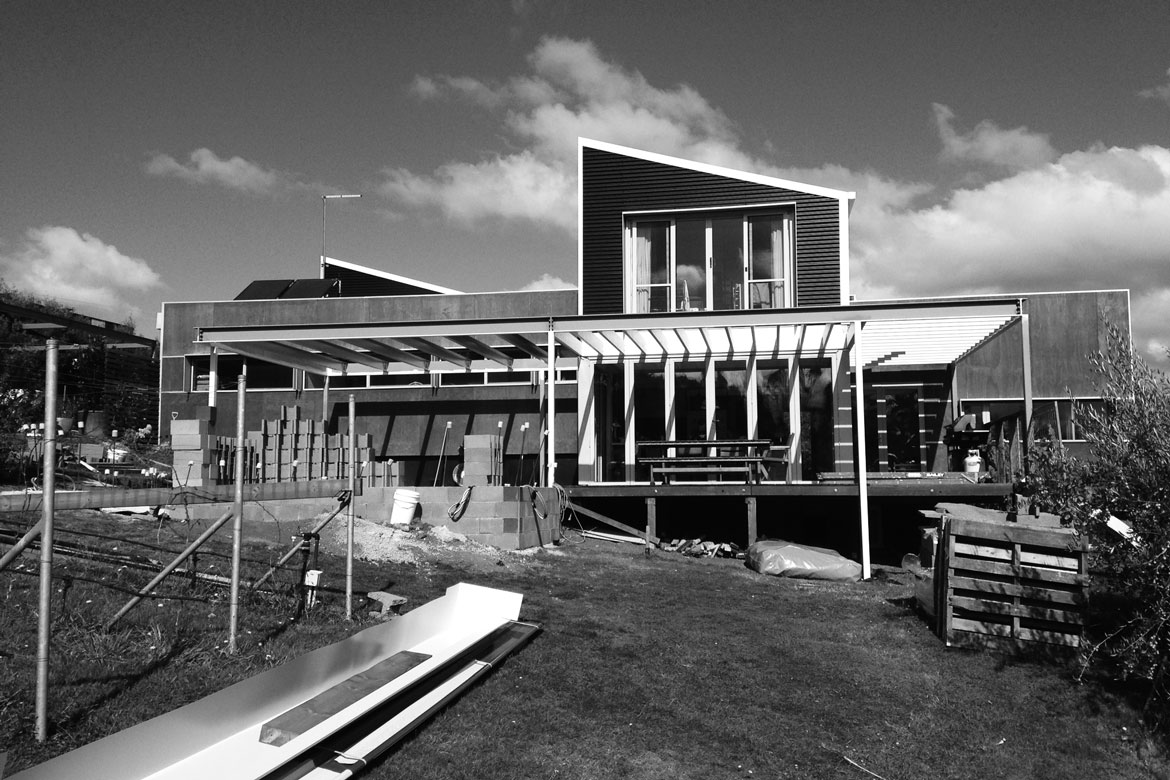
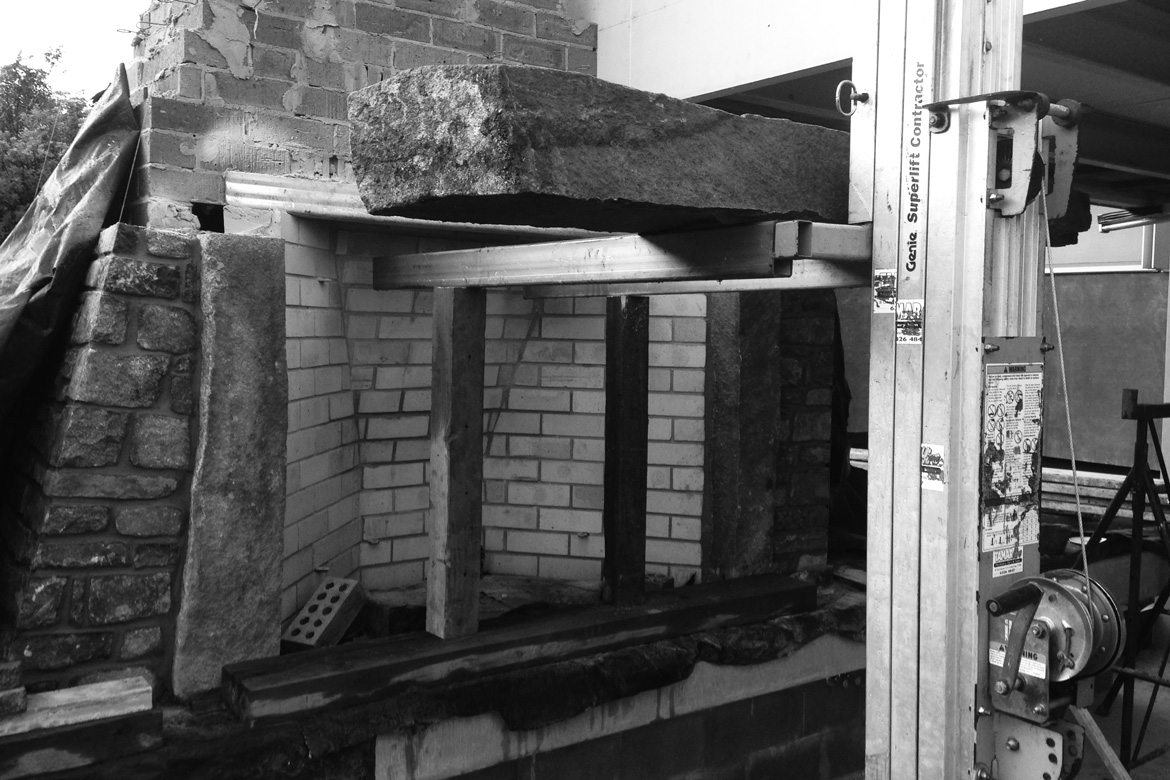
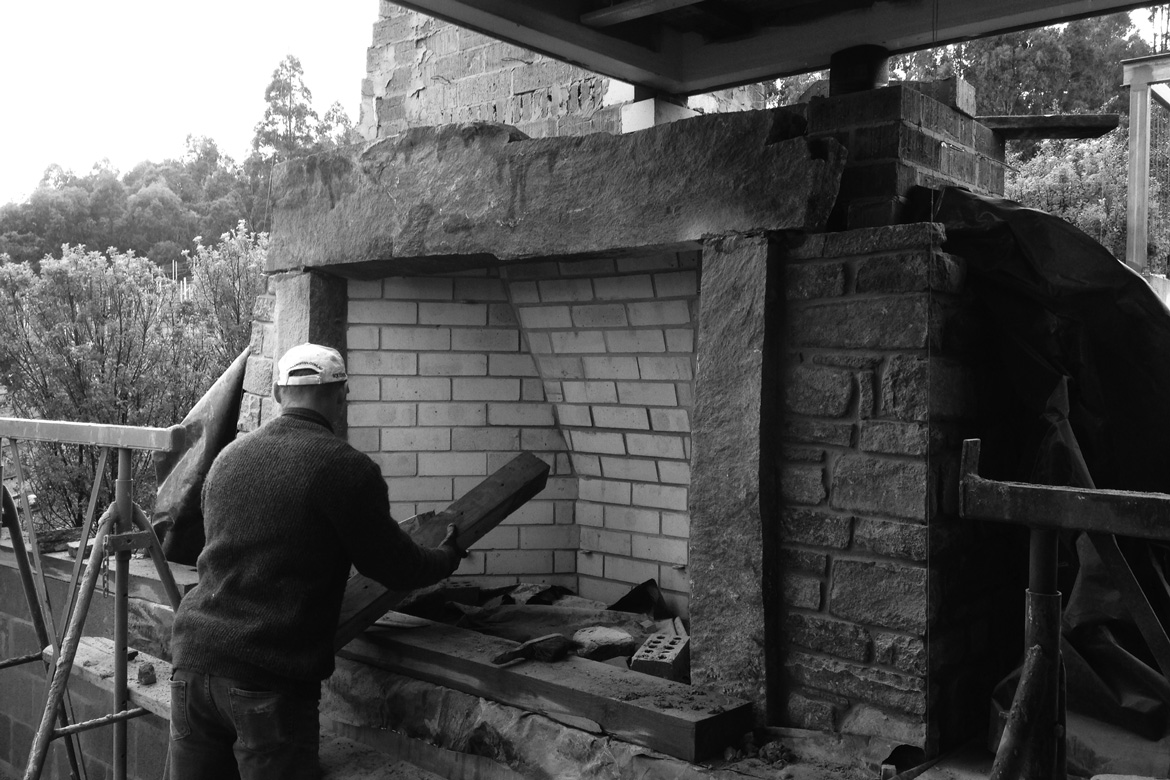
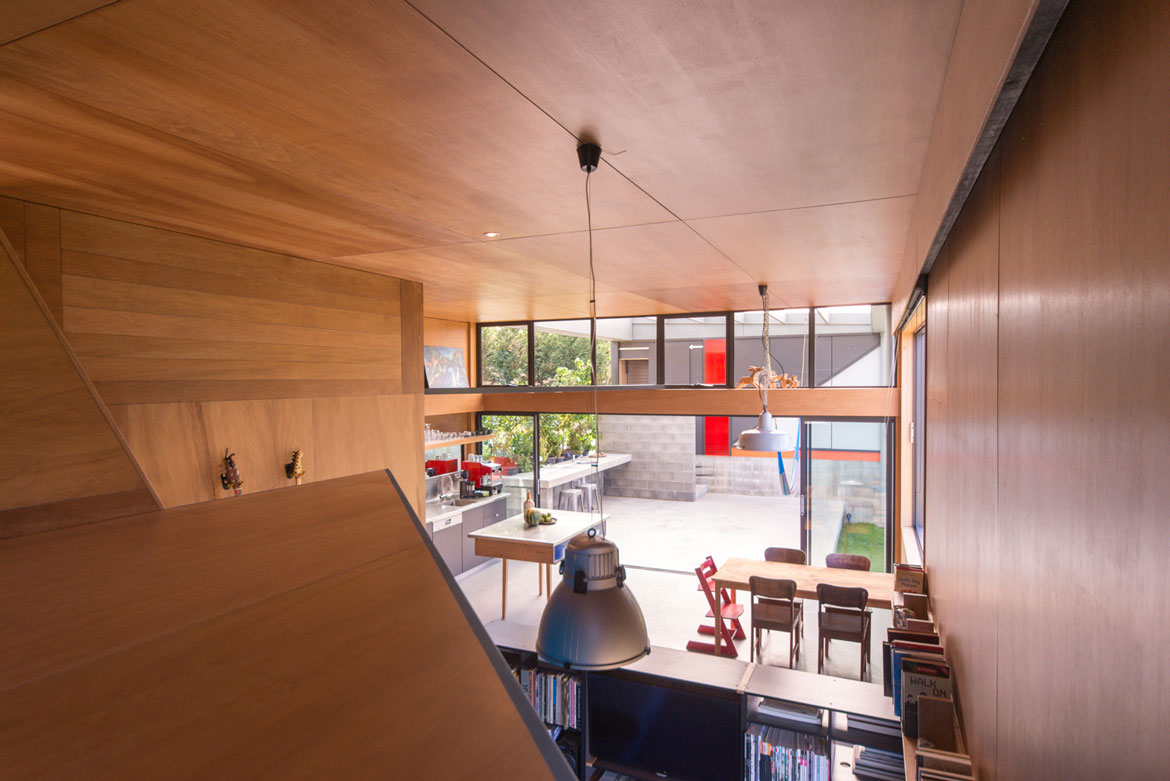
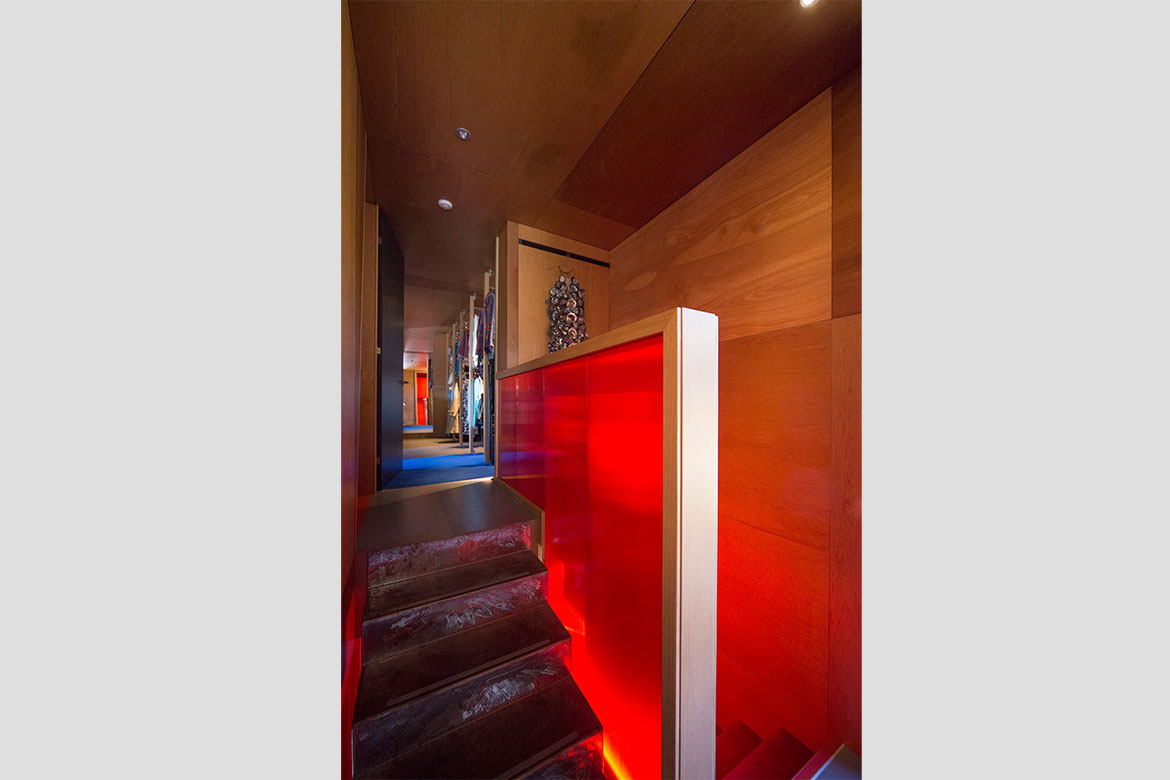
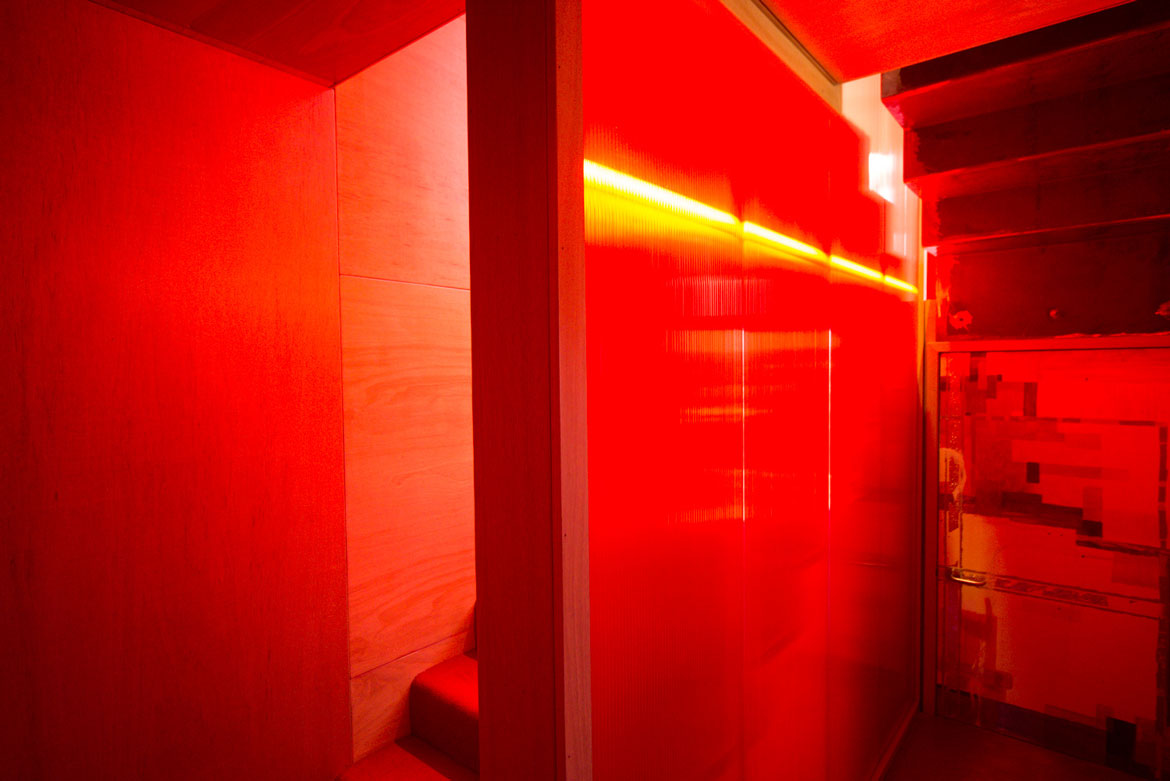
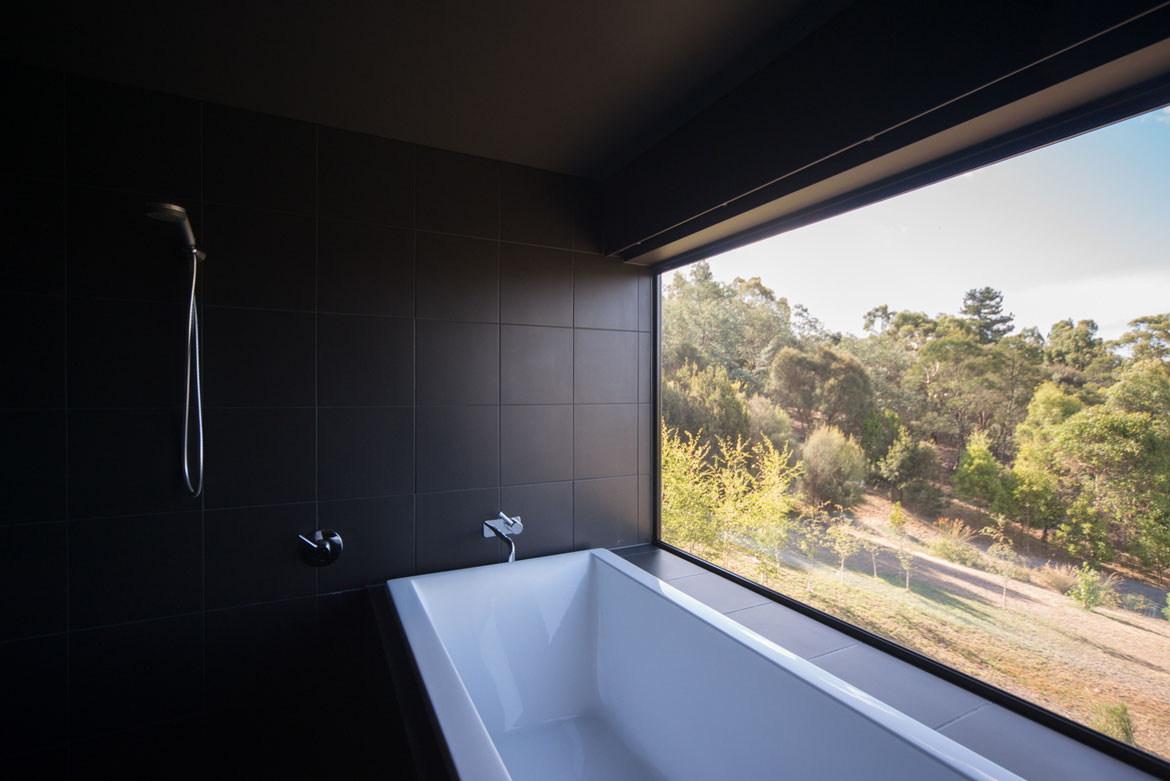
The family home has been designed to facilitate staging, the Garden Room a final element.
Located on a west-facing slope with expansive views, the built arrangement moderates prevailing winds.
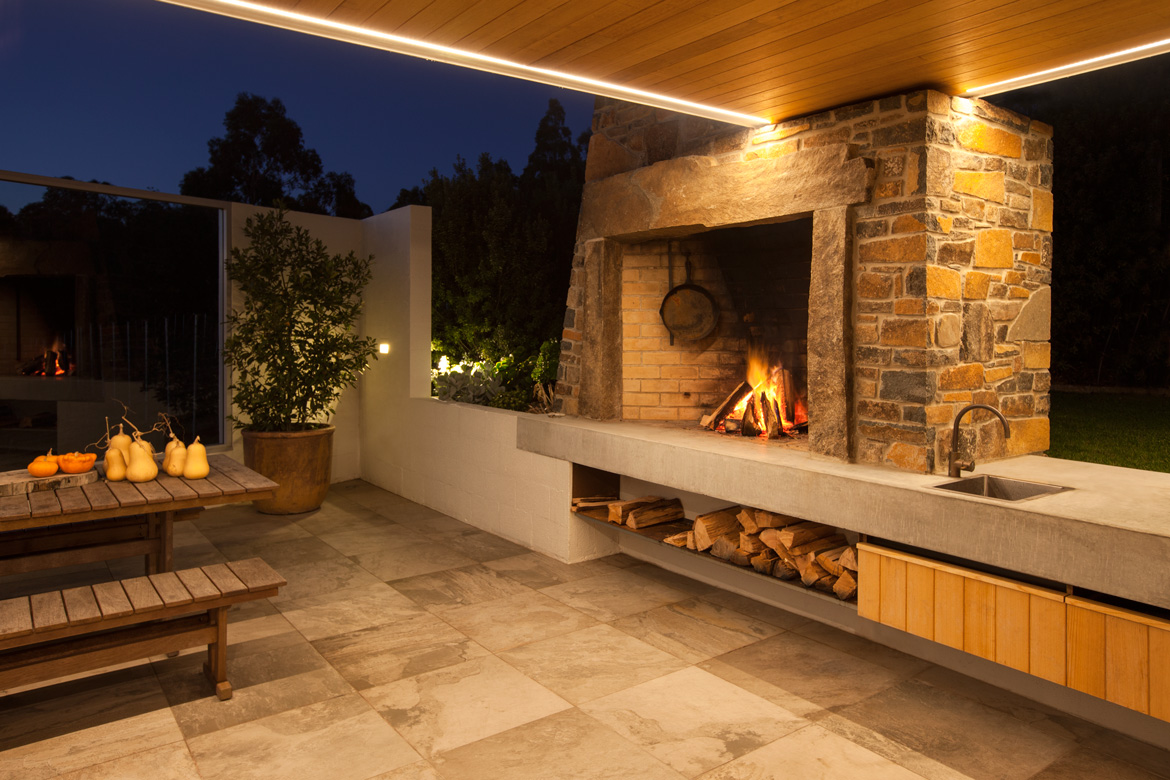
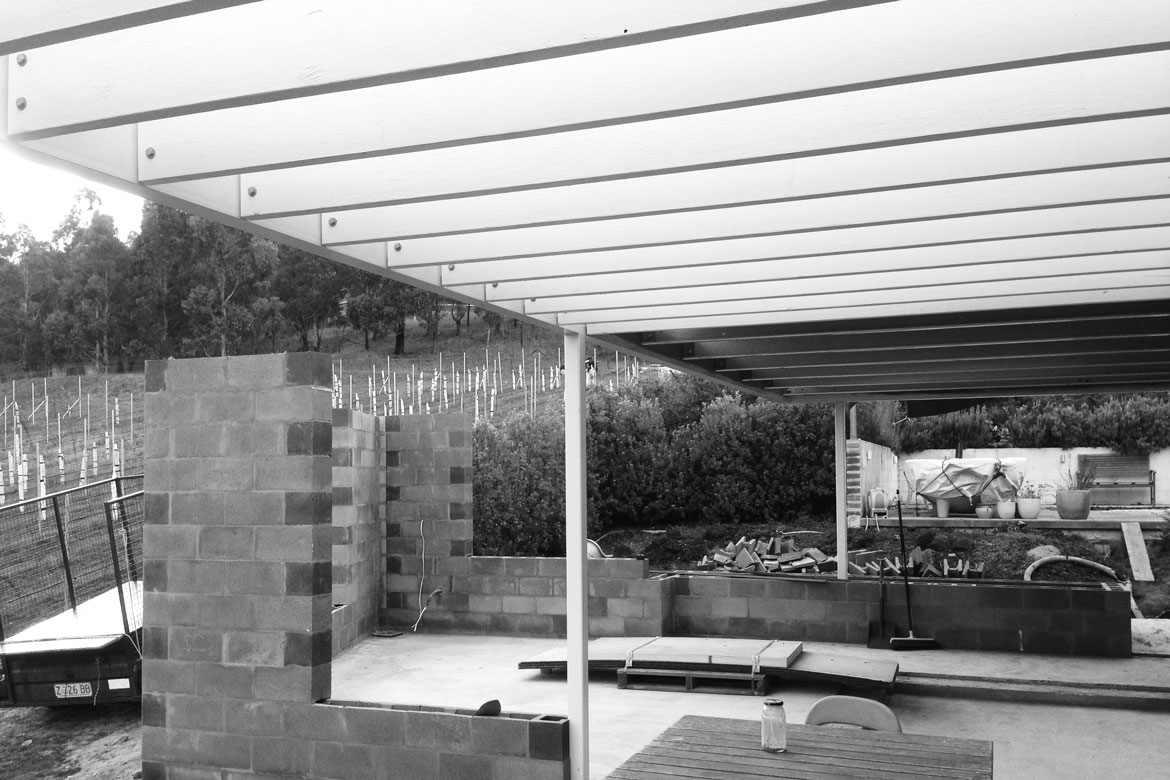
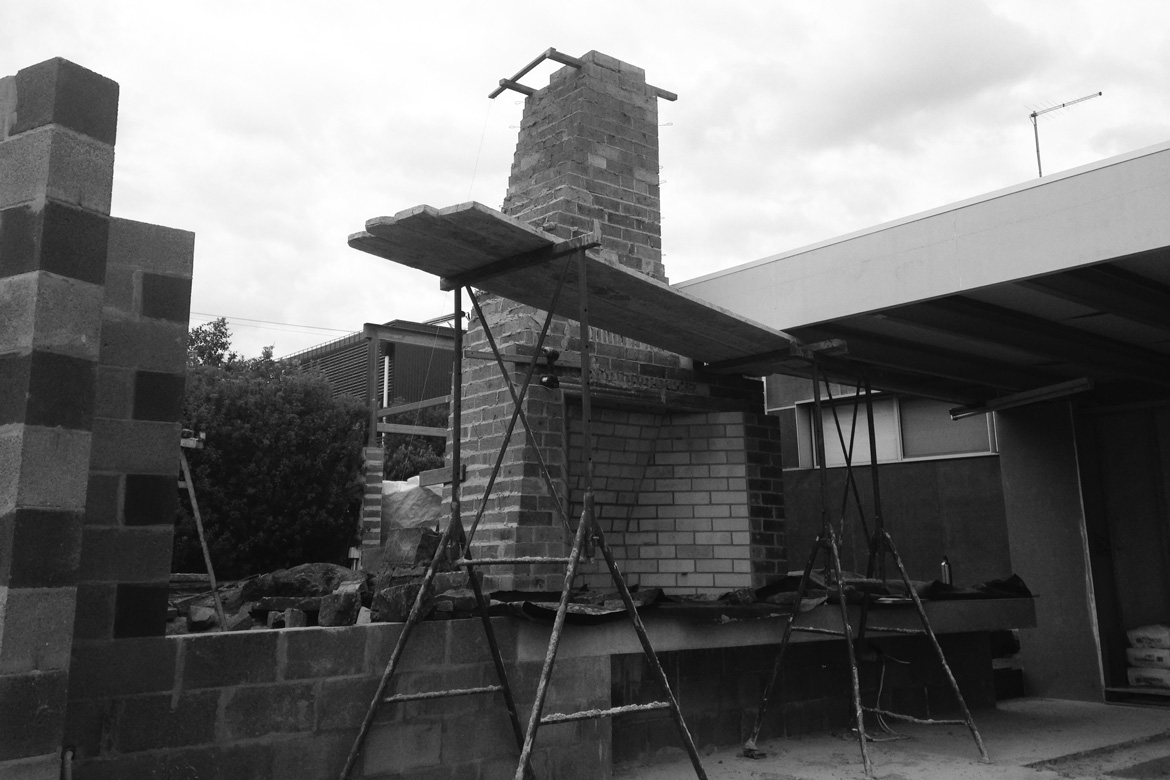
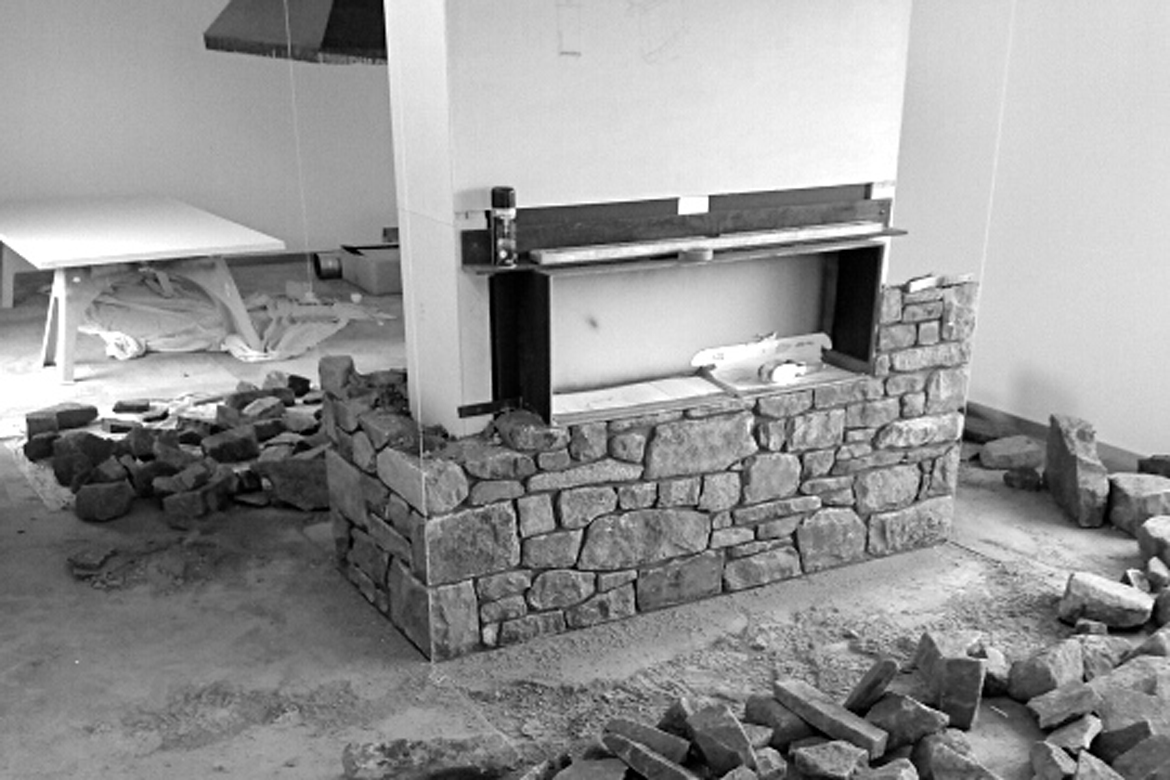
Featuring a central stone fireplace, the Garden Room incorporates a protected courtyard and glazed sitting room.
The fire props up a corner while the extended roof blurs built edges, encompassing the stepped garden.
Photographer
Luke Hesketh
Southern Outlet House
Awarded
National Commendation for Residential Architecture – Houses (New)
2014 National Architecture Awards
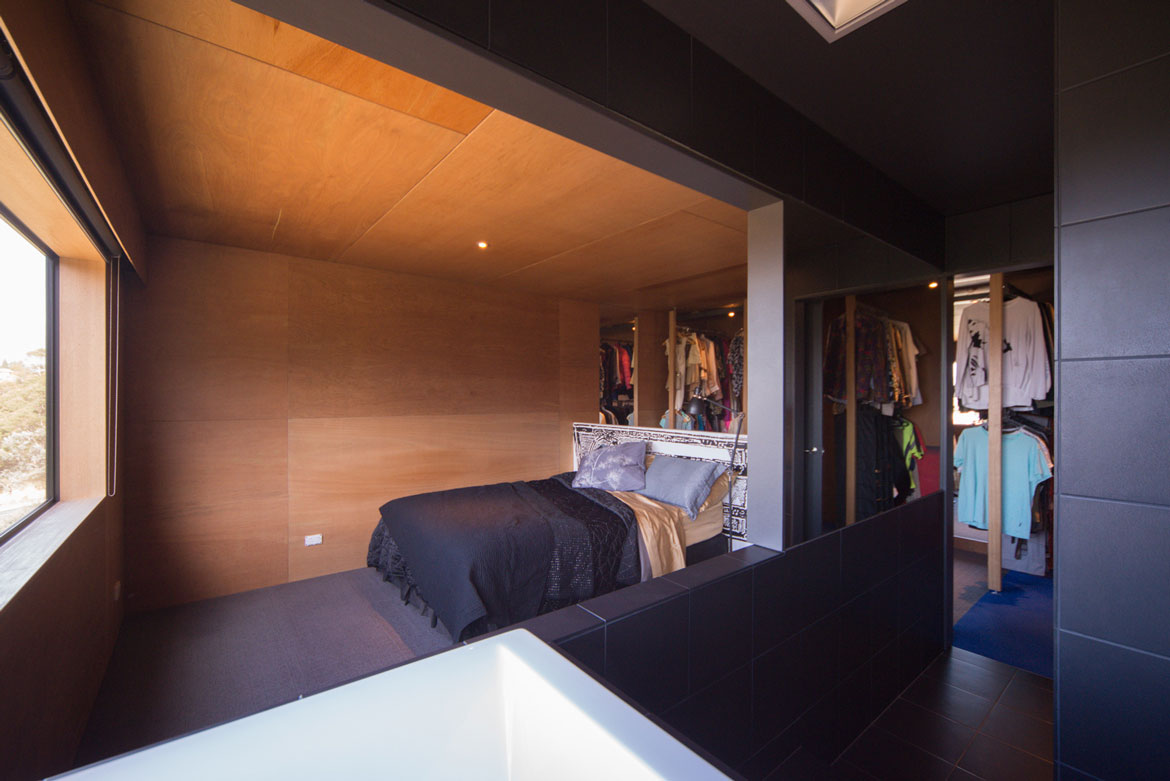
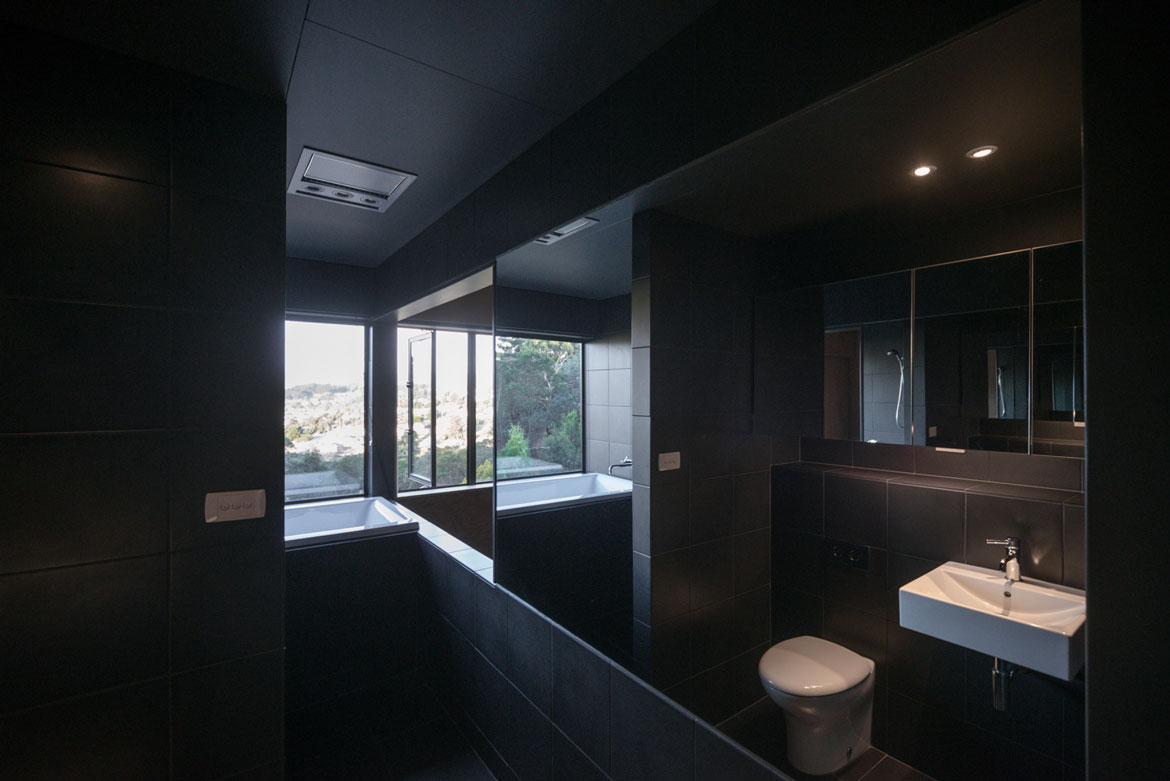
“This modest house is a reflection of the adventurous architect…….Rich in exploration, the Southern Outlet House challenges expectations of what can be achieved on a highly visible, regional domestic site.” - Jury Citation.
Awarded
The Esmond Dorney Award for Residential Architecture – Houses (New)
2014 Tasmanian Architecture Awards
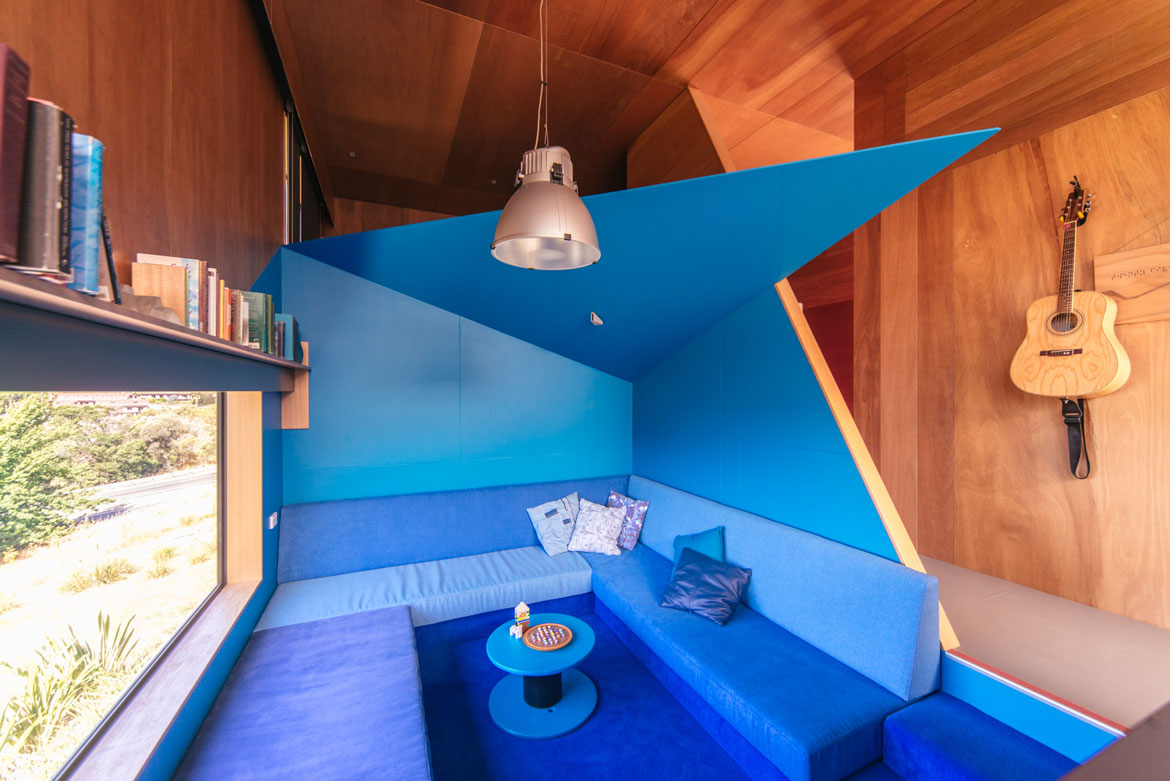
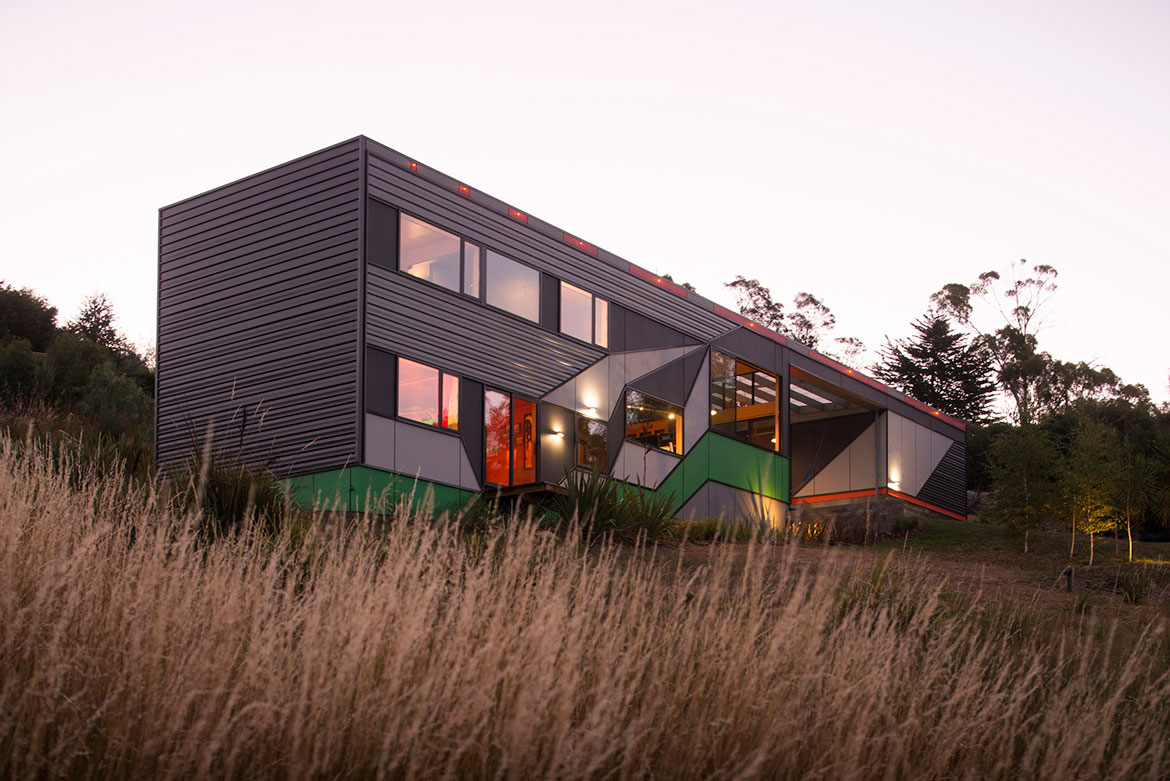
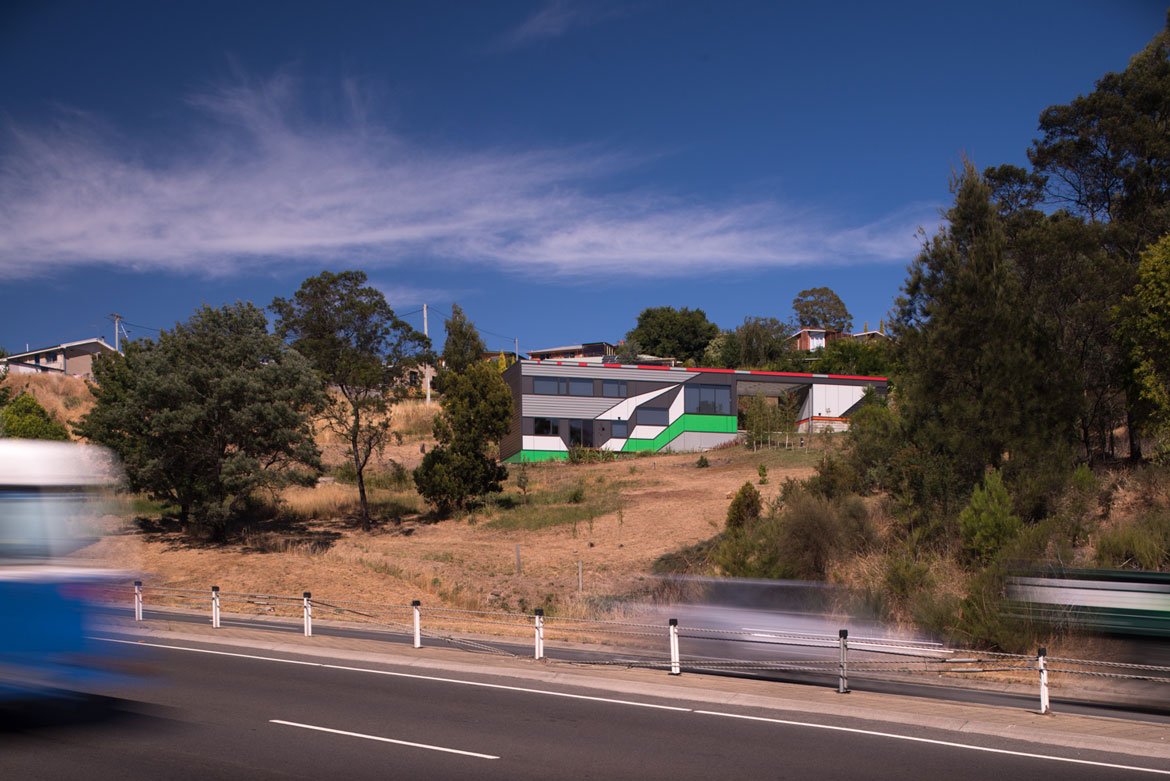
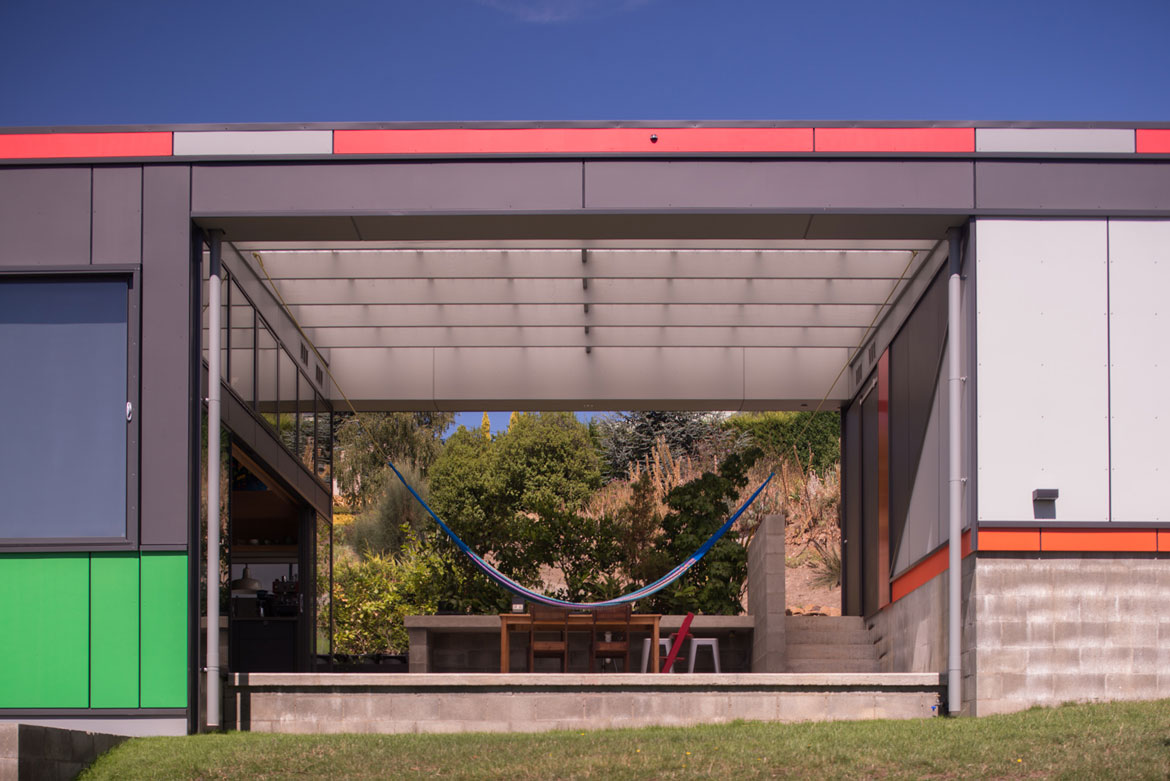
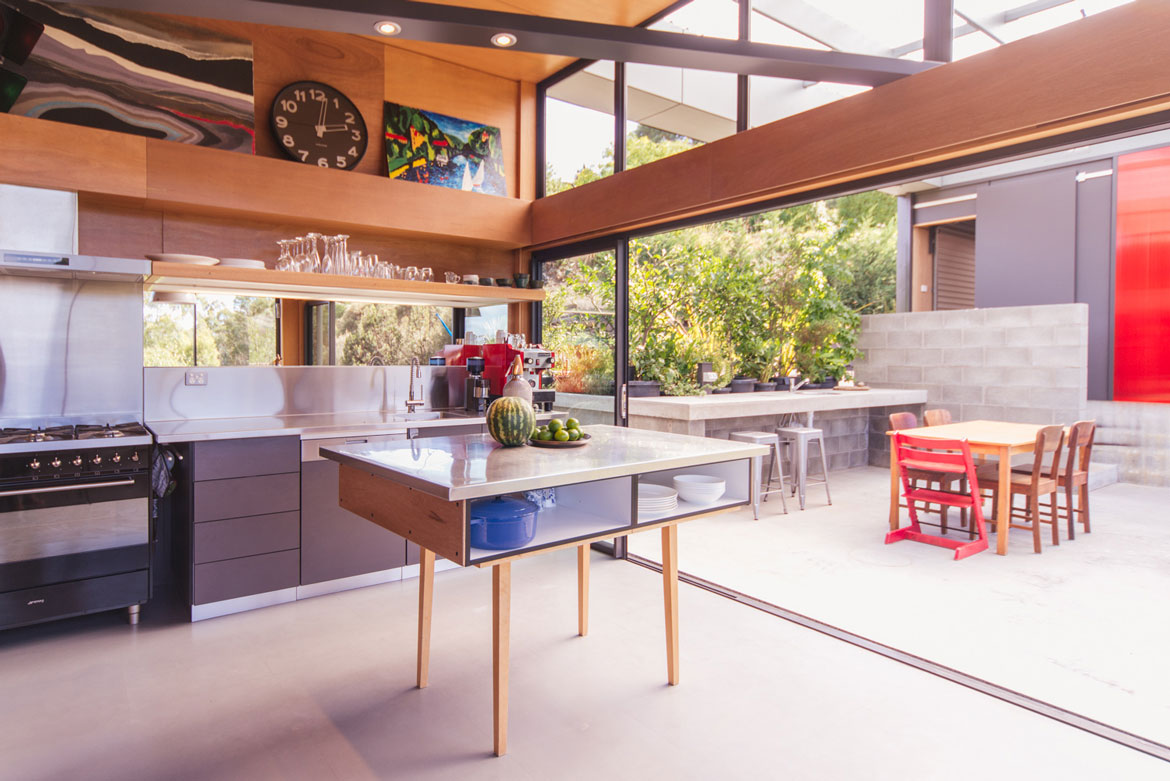
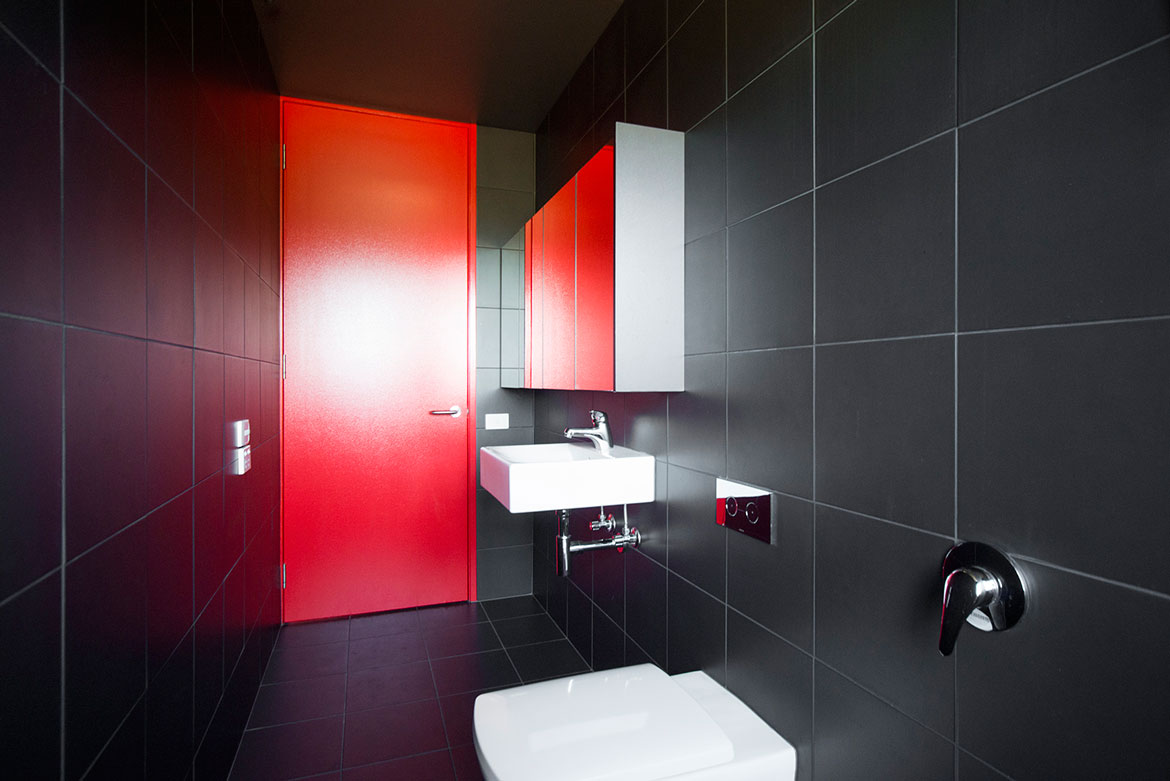
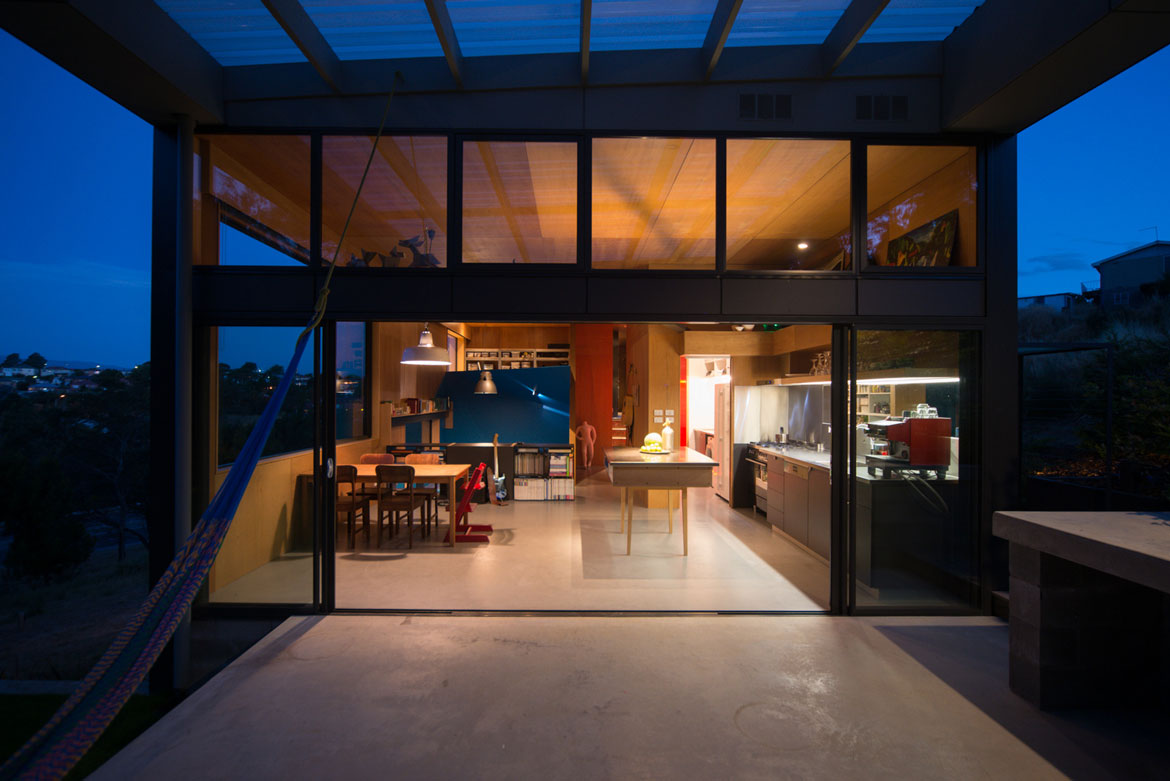
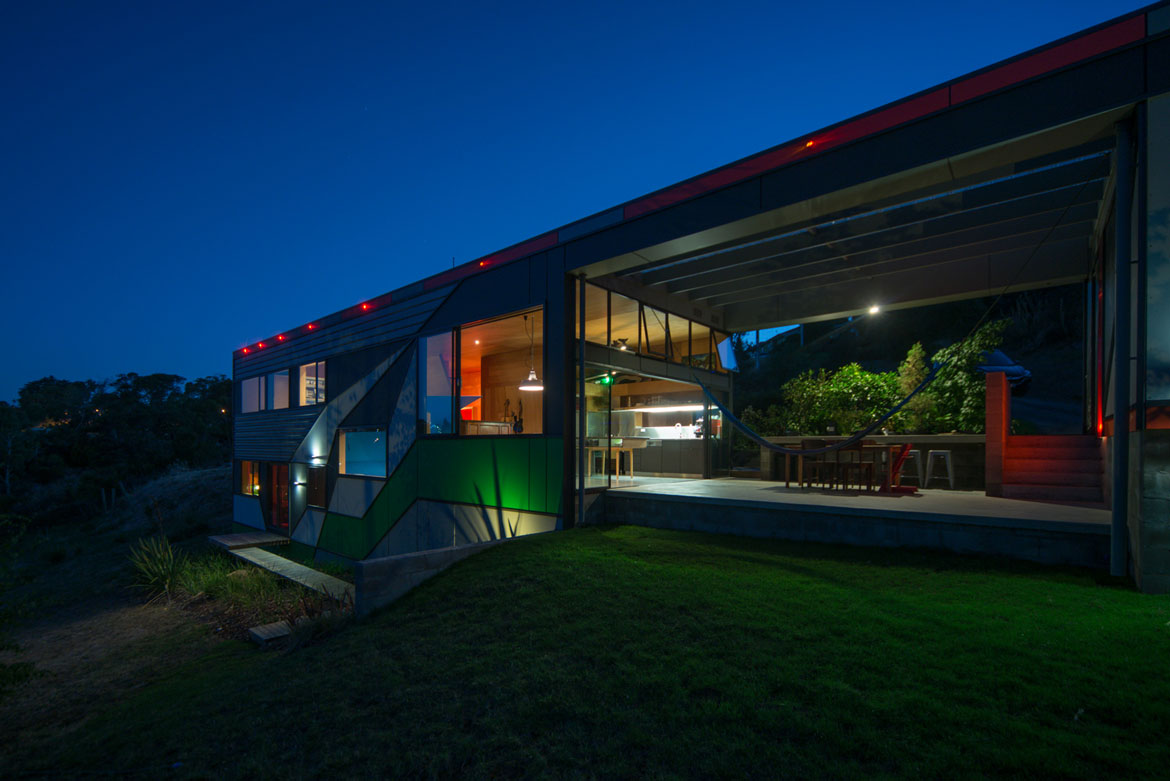
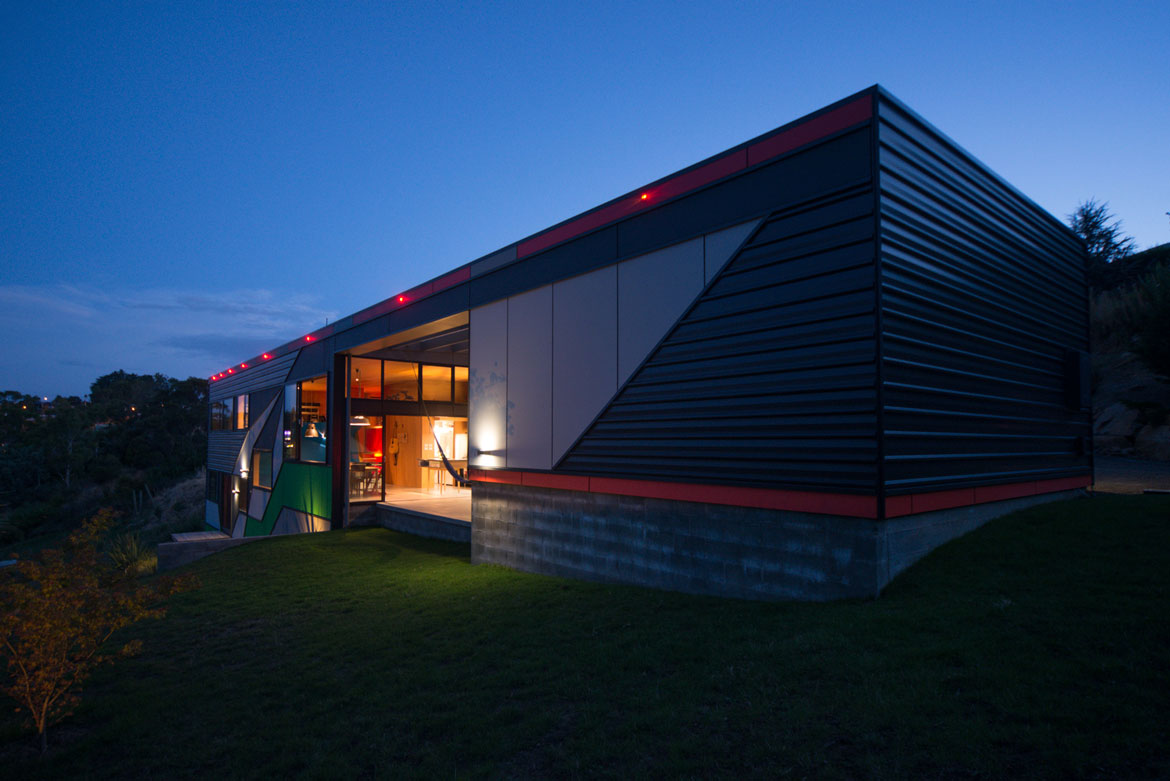
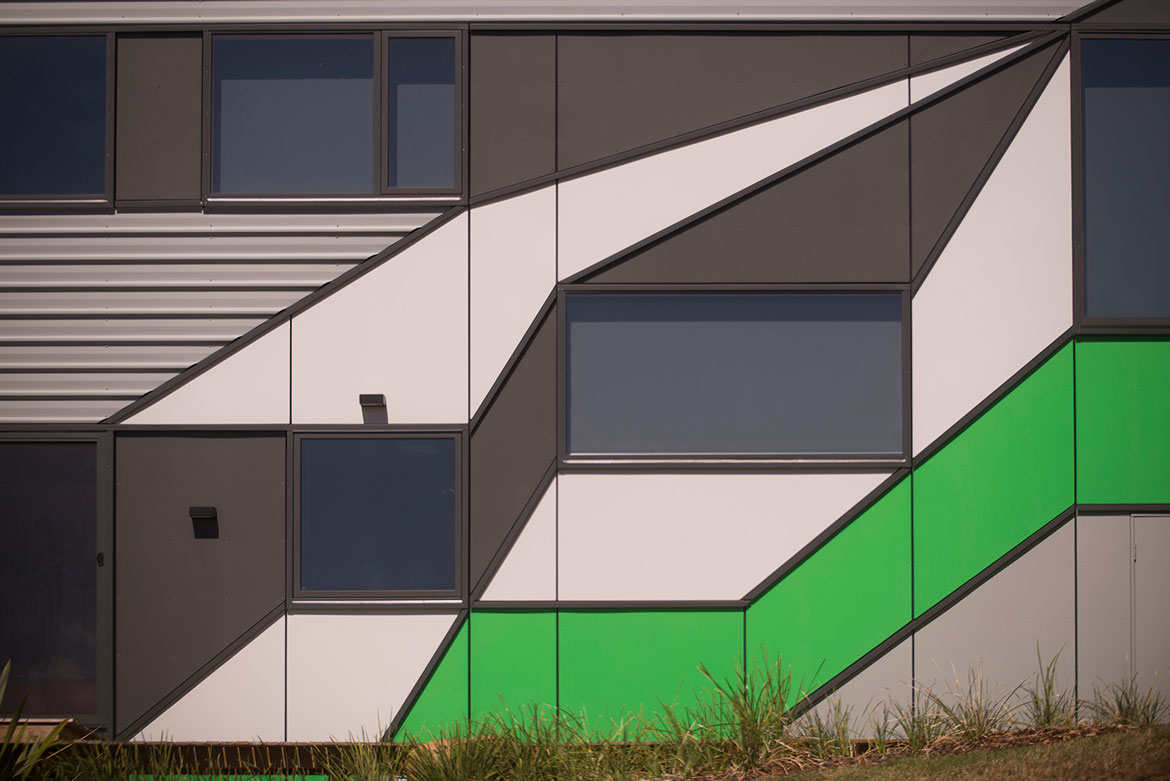
Jury Citation - “Designed and built by the architect, the jury was struck by his questioning of the nature of a house and its relationship to the public domain. This house is rich in exploration – from its minimal footprint and budget to its engagement with its immediate surroundings and nearby highway. Internal spaces are blurred by the split-level arrangement of private to public with an emphasis on the high-ceiling living area, which spills out onto a covered terrace. Internally, colour and texture are richly celebrated. Externally, the house is a dark shell apart from the significant and provocative northern facade overlooking the highway below. This house deserves high recognition by virtue of its character: playful and confident, modest in size, yet bold in expression.”
Design Statement
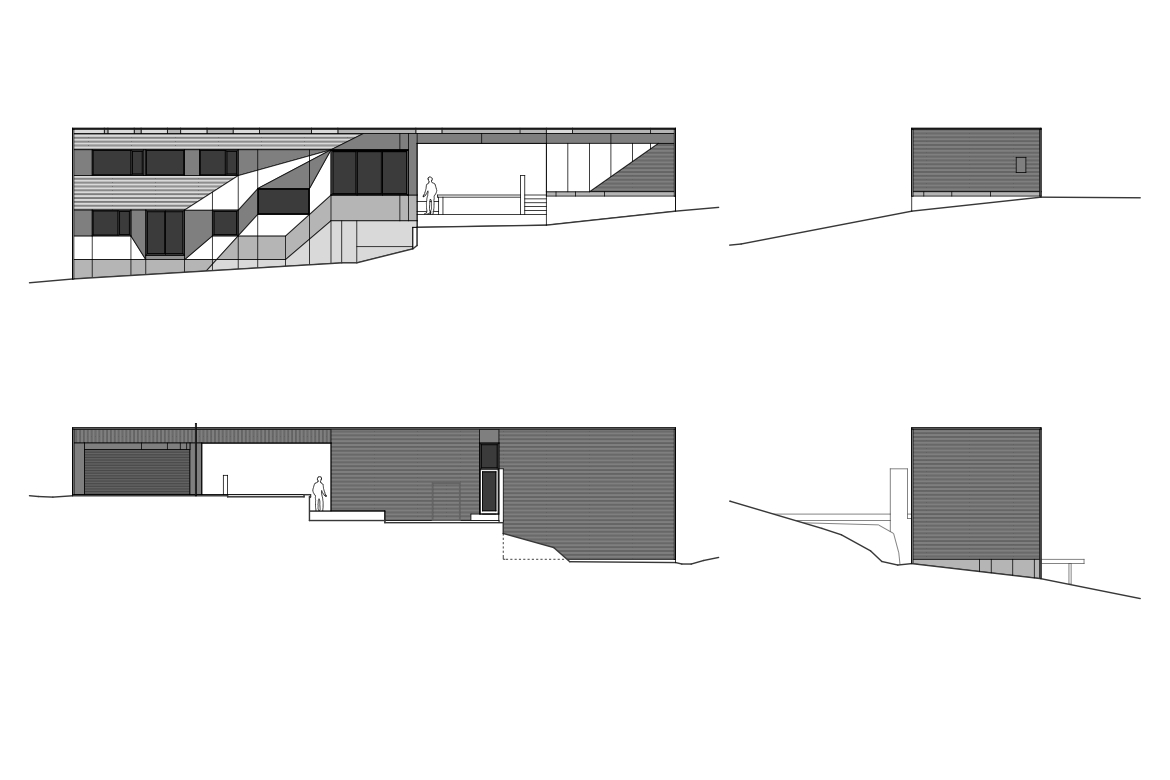
Situated on a northeast facing slope adjacent a major arterial road, the Southern Outlet House is a site specific study of the contribution a private residence may make to the public domain and the role of architecture more broadly in a small regional centre. The core requirements of a climatically responsive and welcoming family home underpin the project. The building is sited and planned to maximise the attributes of the location and work within the constraints of a steep slope and restrictive budget. Adopting a strategy from early 20th Century naval camouflage, the dazzle technique is employed, not in order to conceal the mass of building, but rather to manipulate its public face, adjust its scale, and suggest another dimension to the otherwise flat facade. The building acknowledges people passing by in vehicles at speed, as well as those living on the hill opposite who view back to the static object. The public face is perhaps changed in its form and nature and becomes just another highway directional sign, vehicle, billboard or piece of public art. Ultimately the scheme is the inevitable consequence of a situation where the owner, architect and builder are the same person.
Photographer
Jonathan Wherrett
Media
A contribution to the AWS Designer Notes short film series illustrates the underlying conceptual framework of the Southern Outlet House and its engagement with the broader public domain.

Double House
Northern Tasmania.
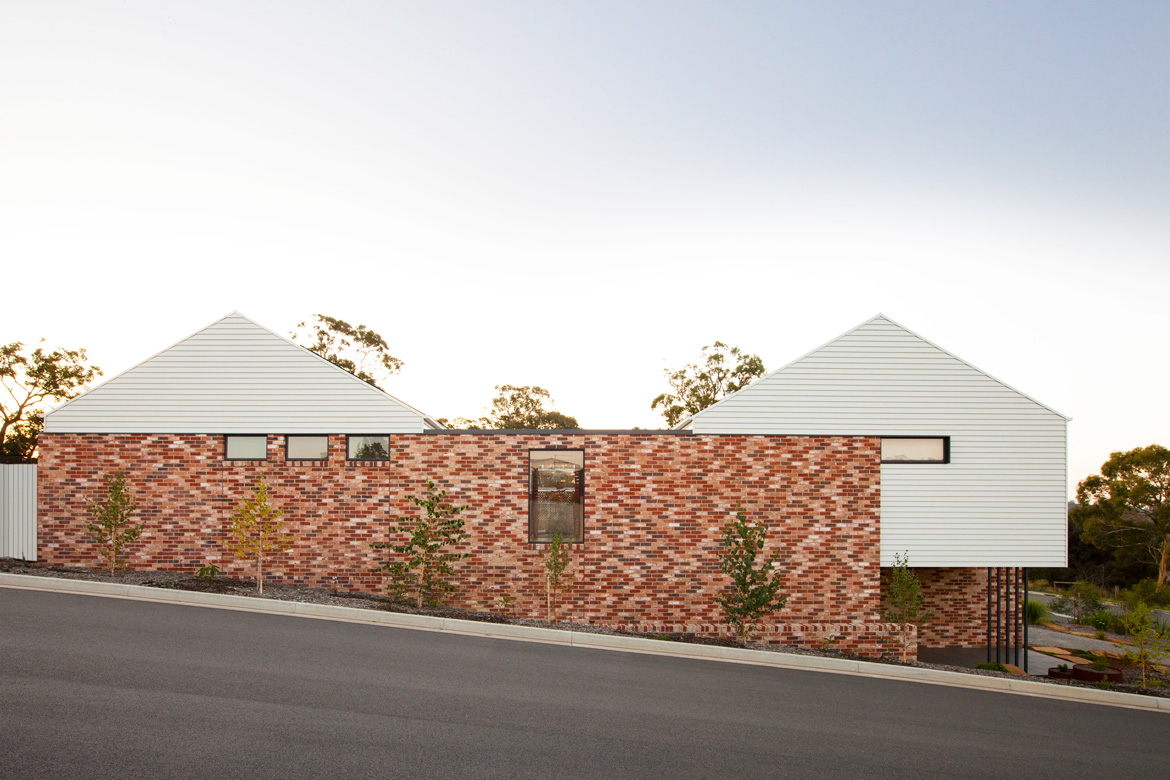
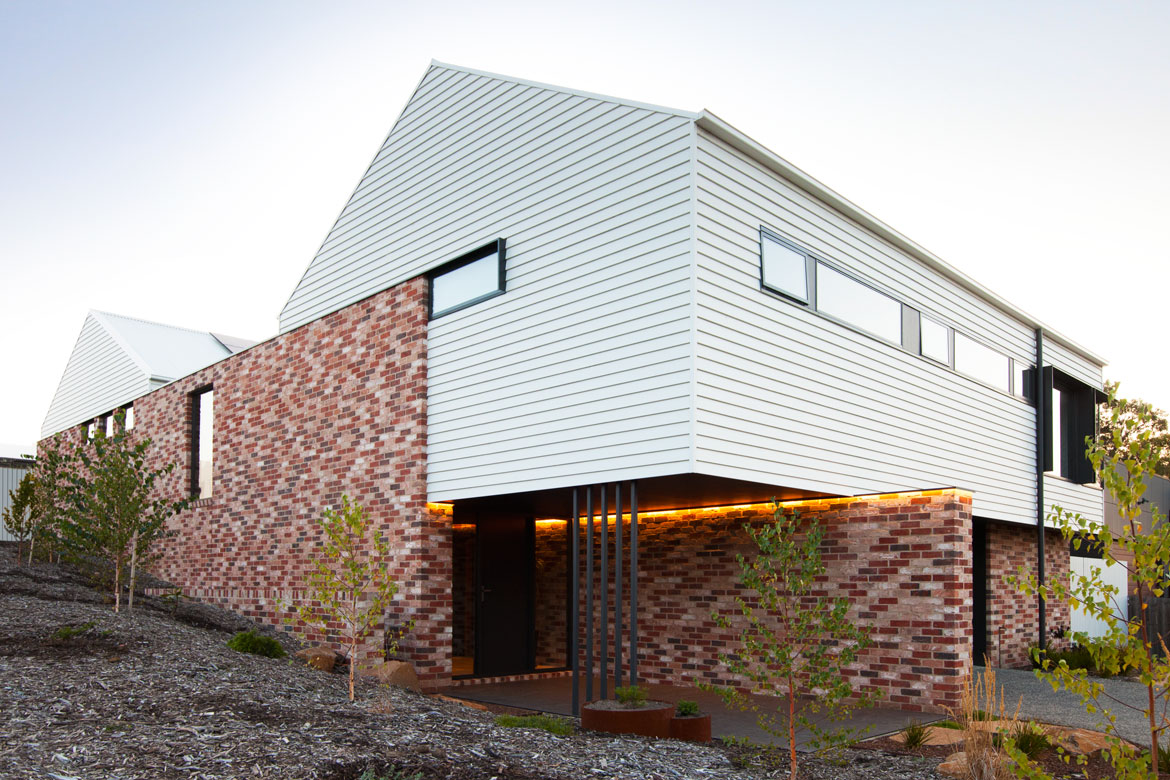
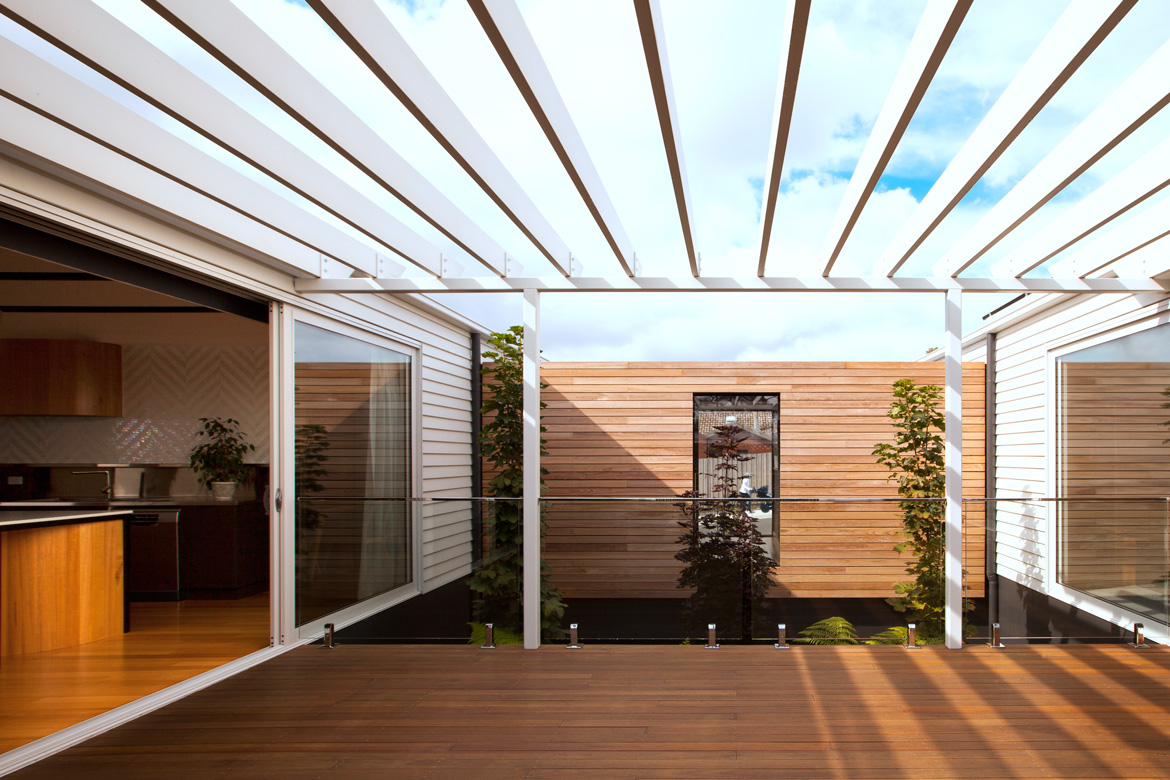
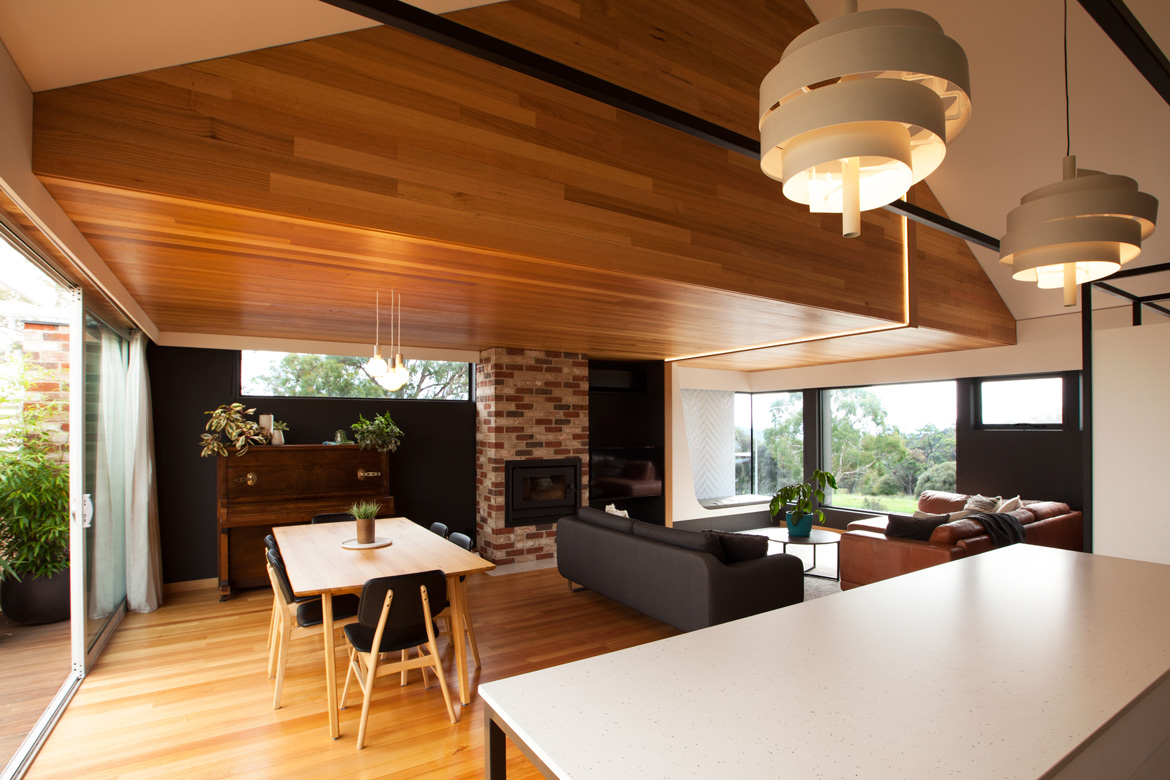
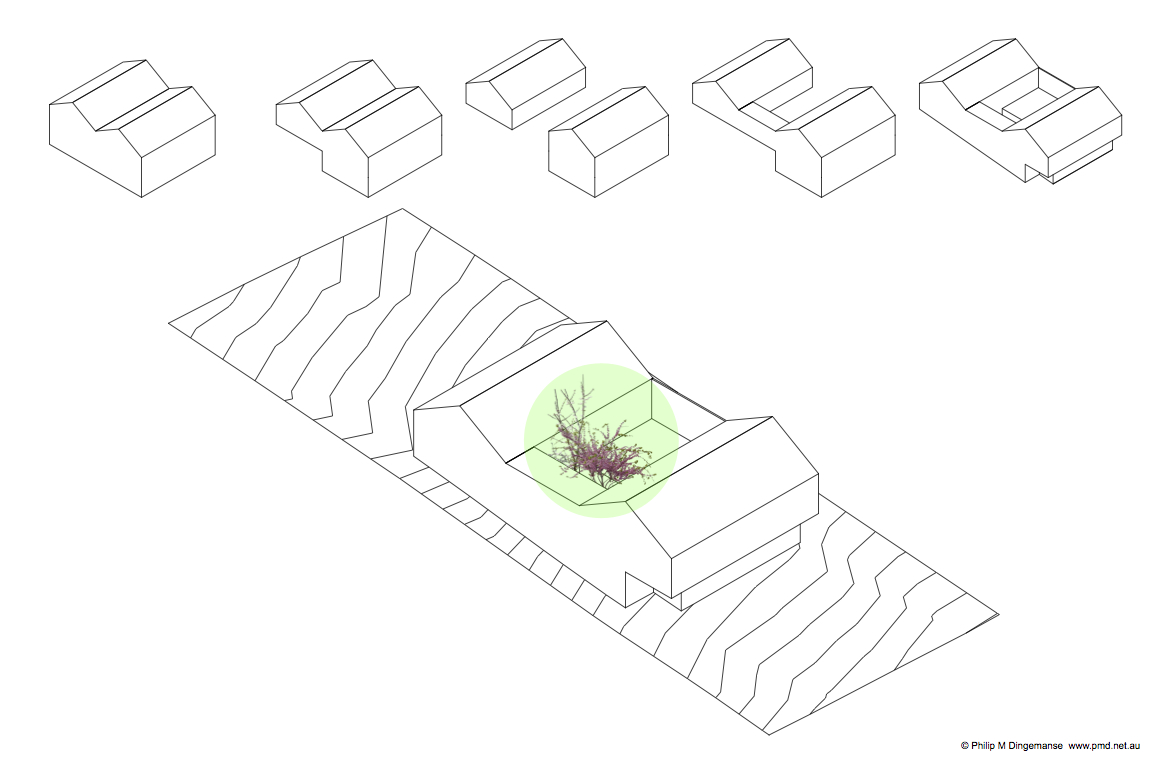
Composed of two gabled buildings, Double House is arranged around a courtyard garden and outdoor living area. The garden links living areas through to the backyard, creating a comfortable family home with multiple indoor and outdoor connections.
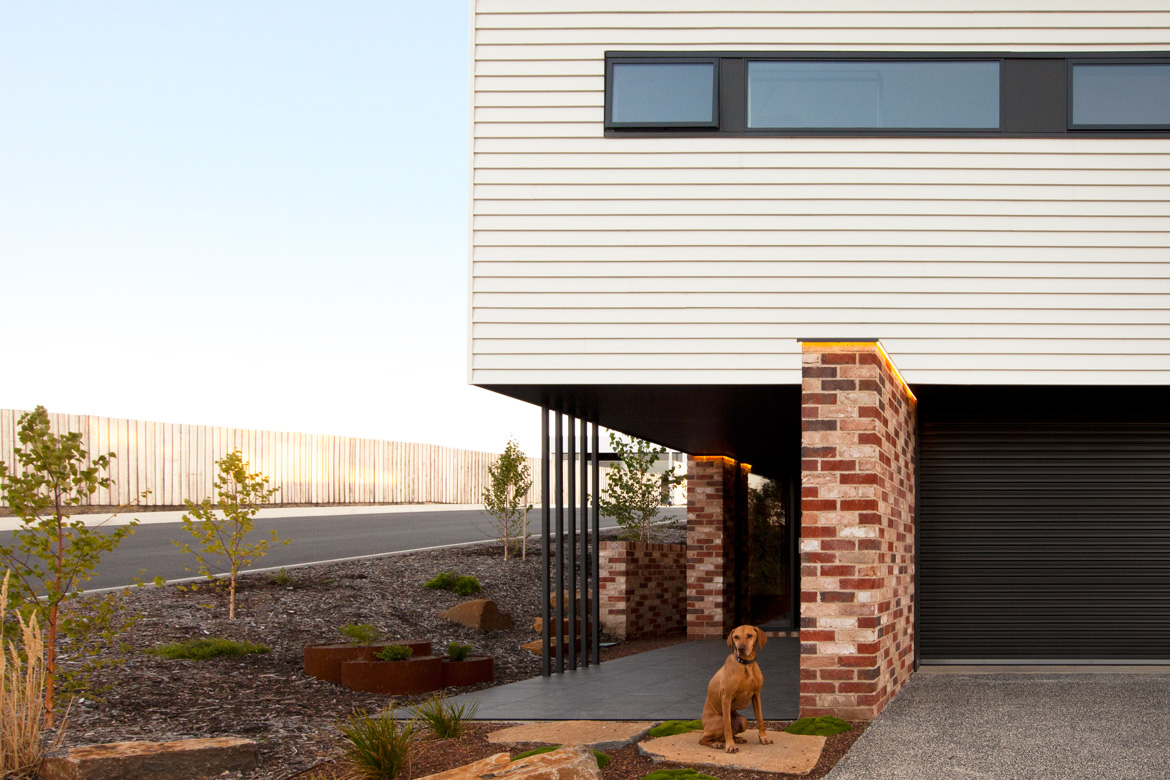
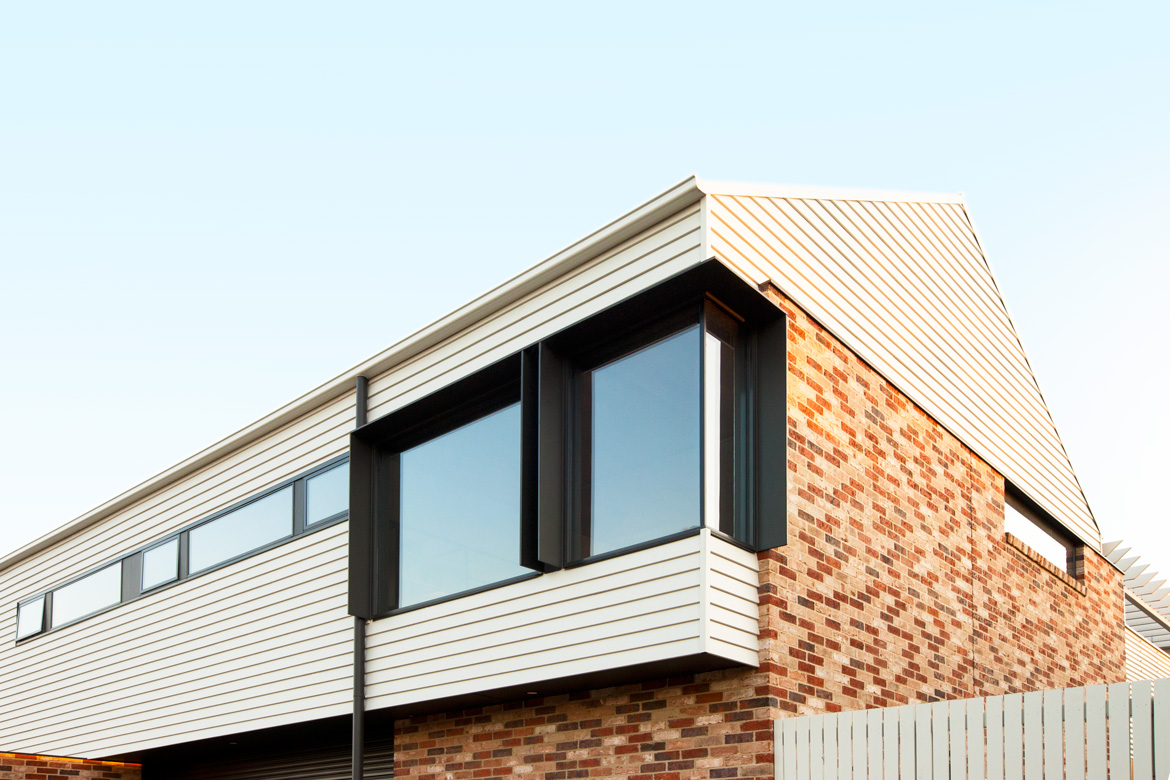
Located on a sloping corner site, the double gable elements emerge from a protective brick shield. Though a recognisable common running bond, the contrasting colour and variation of the brick blend presents a decorative patterned edge to the street.
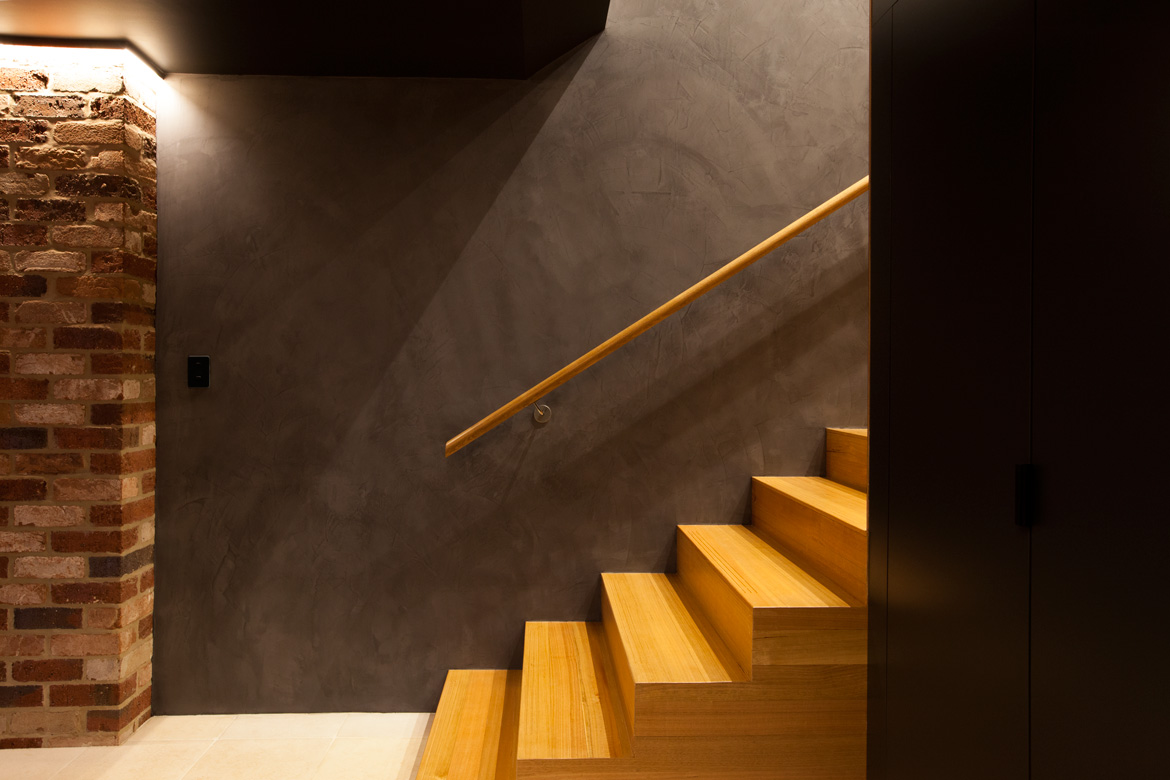
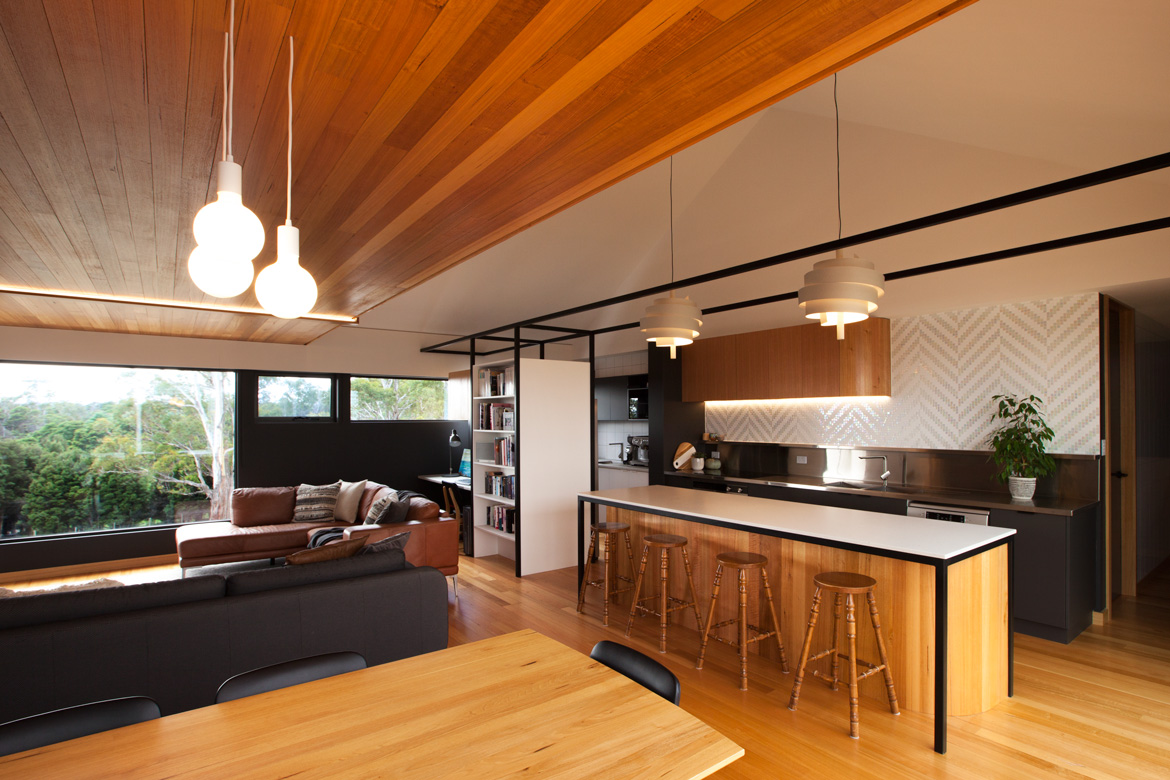
Interiors are characterised by varying ceiling heights with textural materials and finishes, while openings are arranged to capture views to the courtyard garden and to park and bush land beyond.
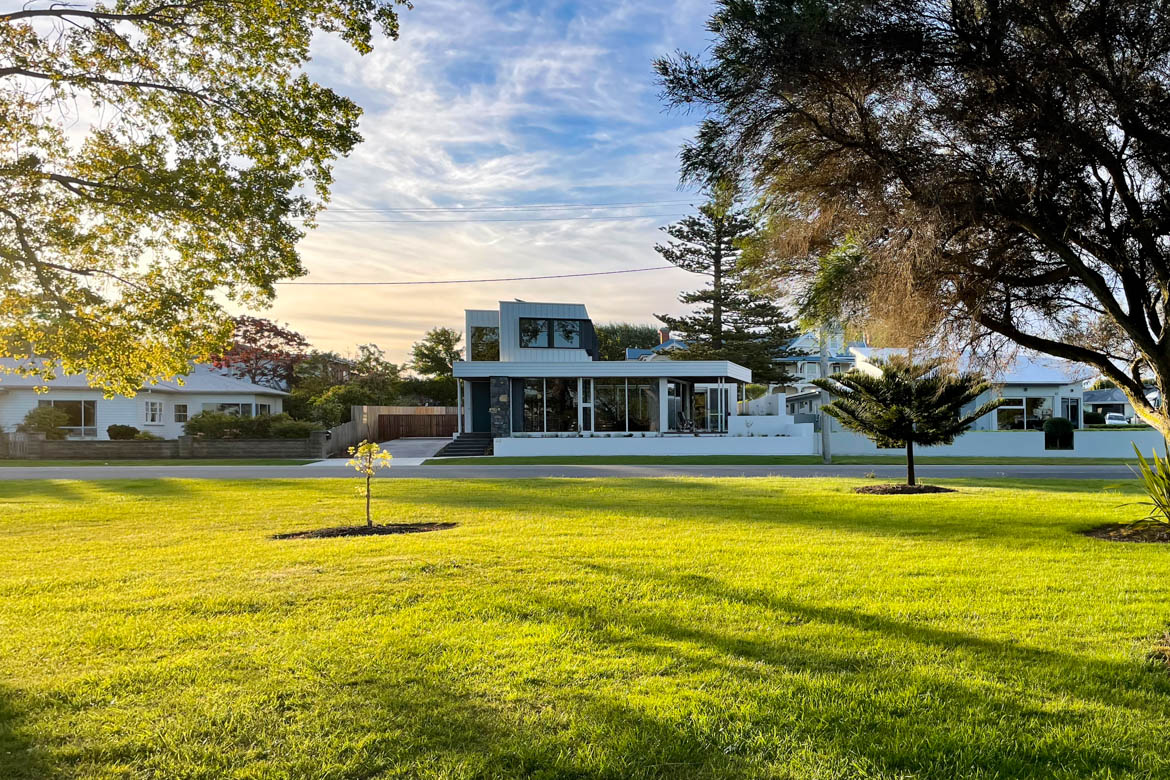
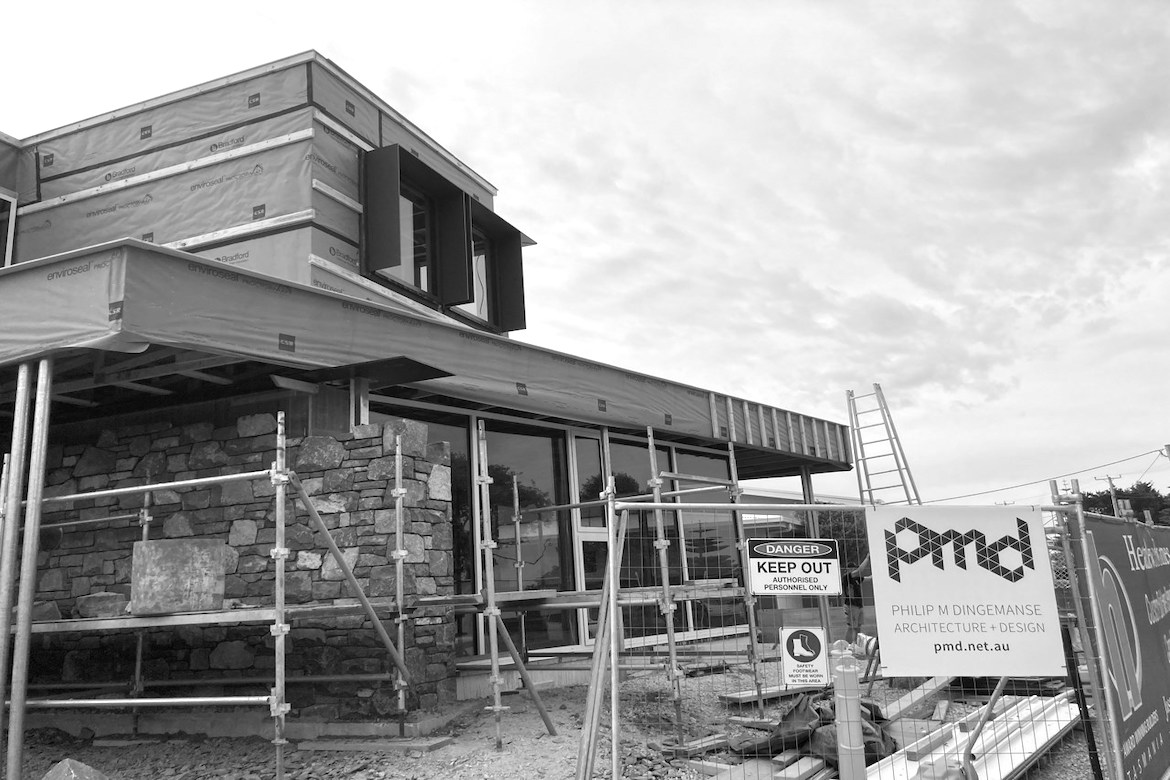
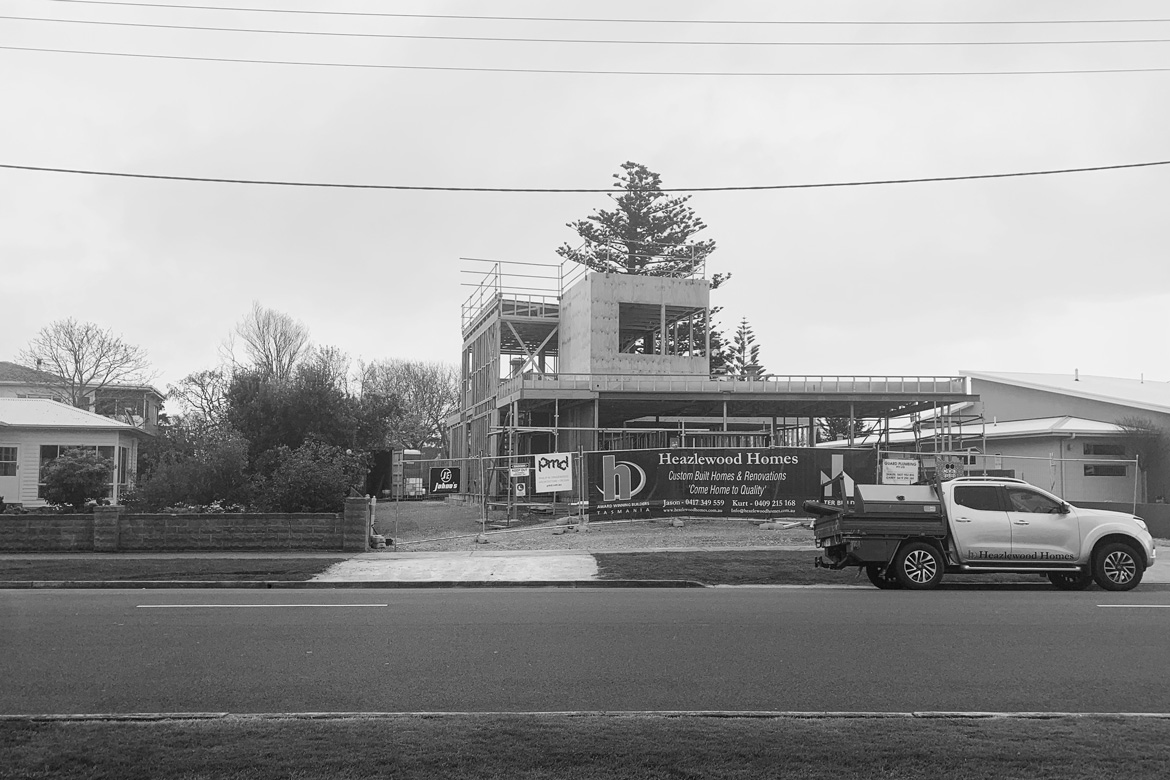
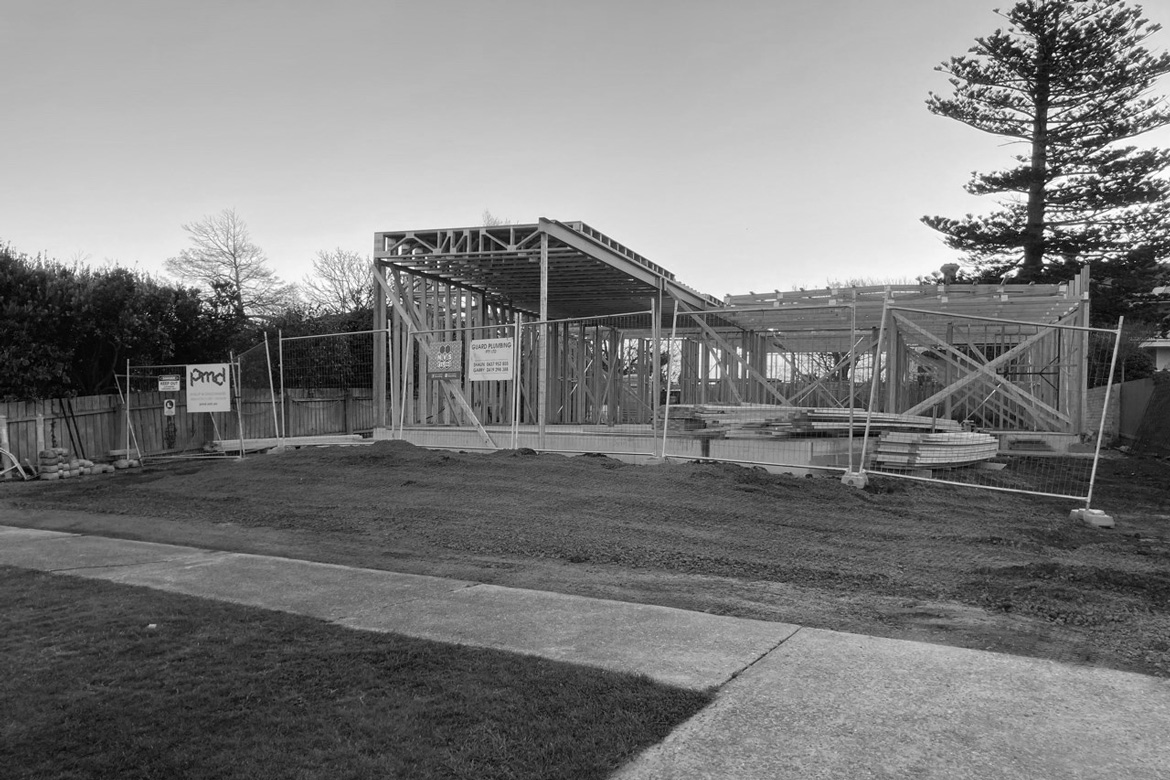
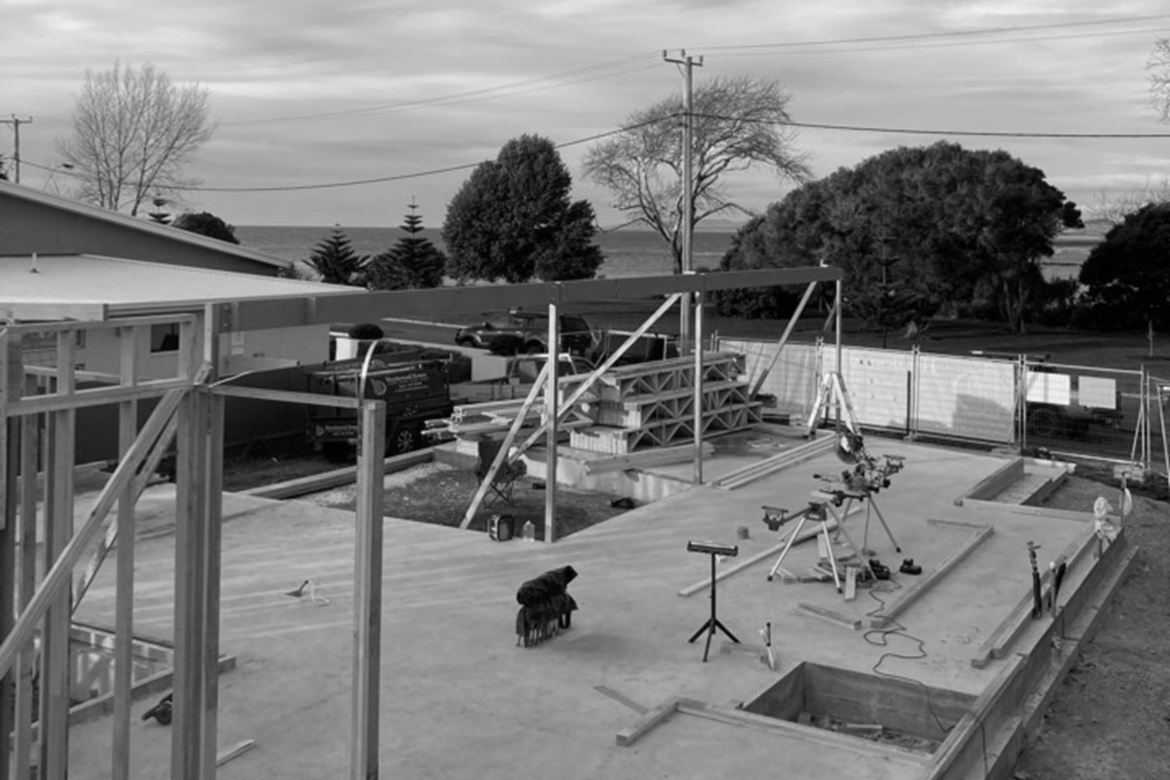
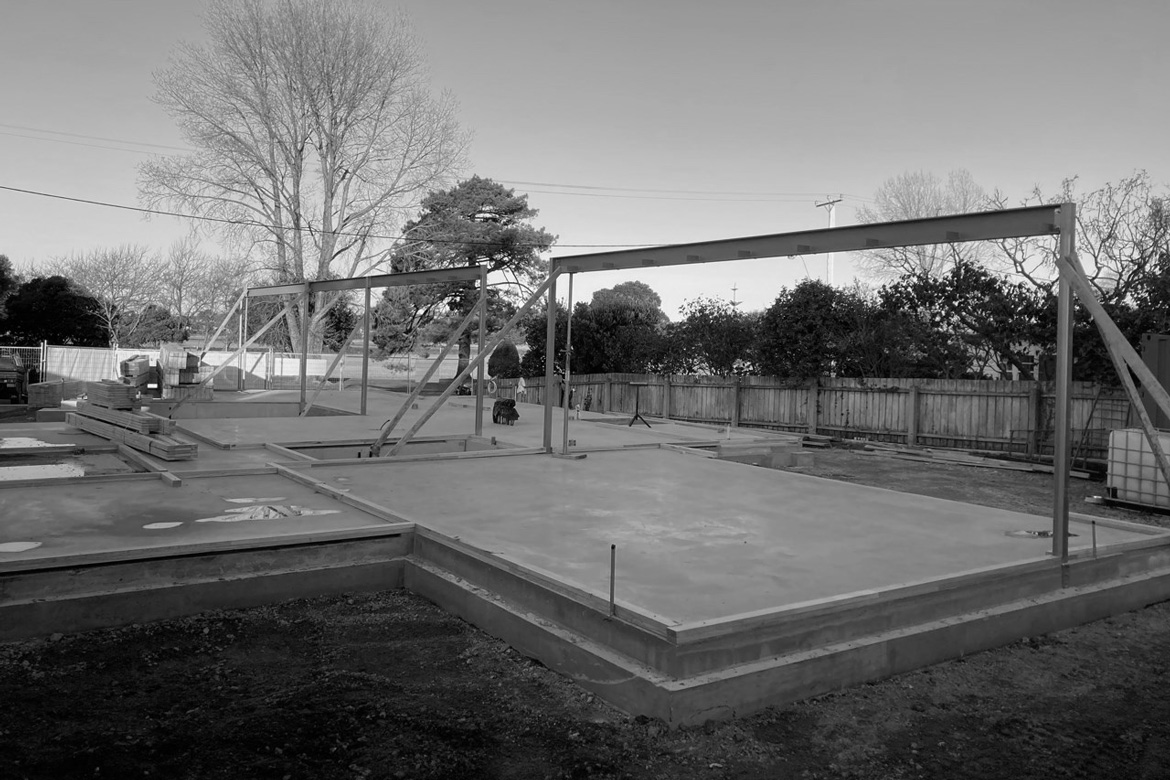
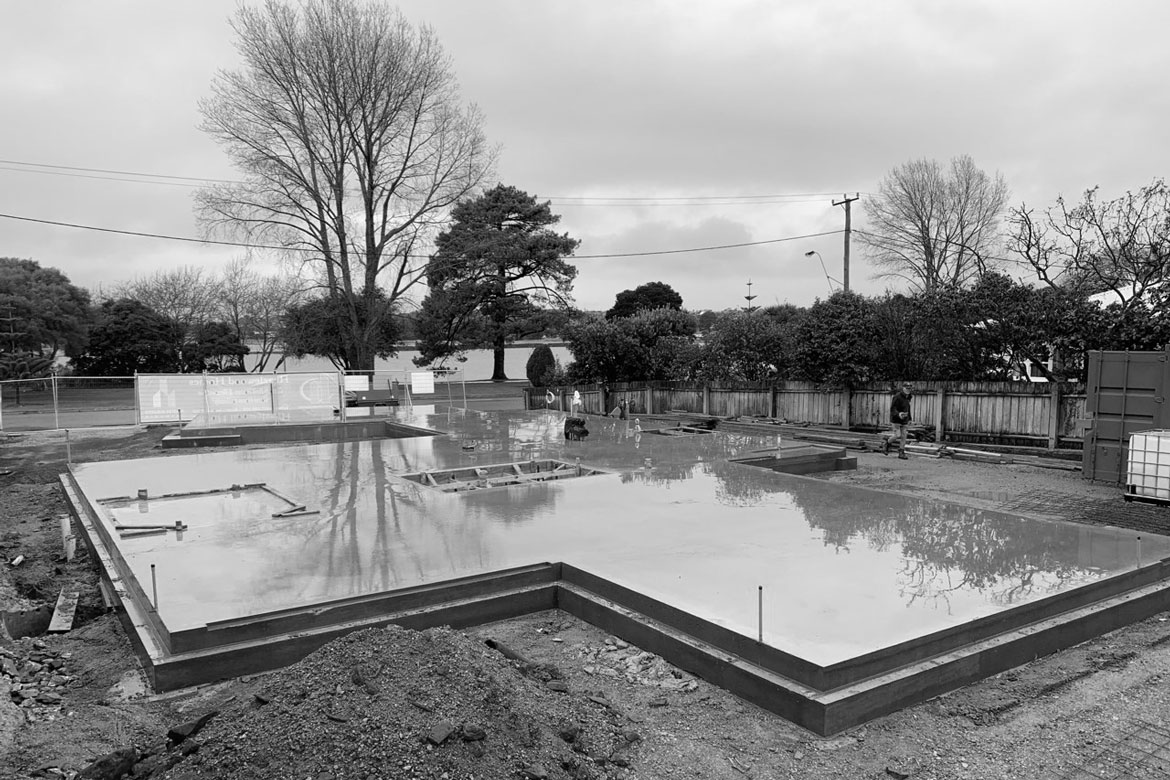
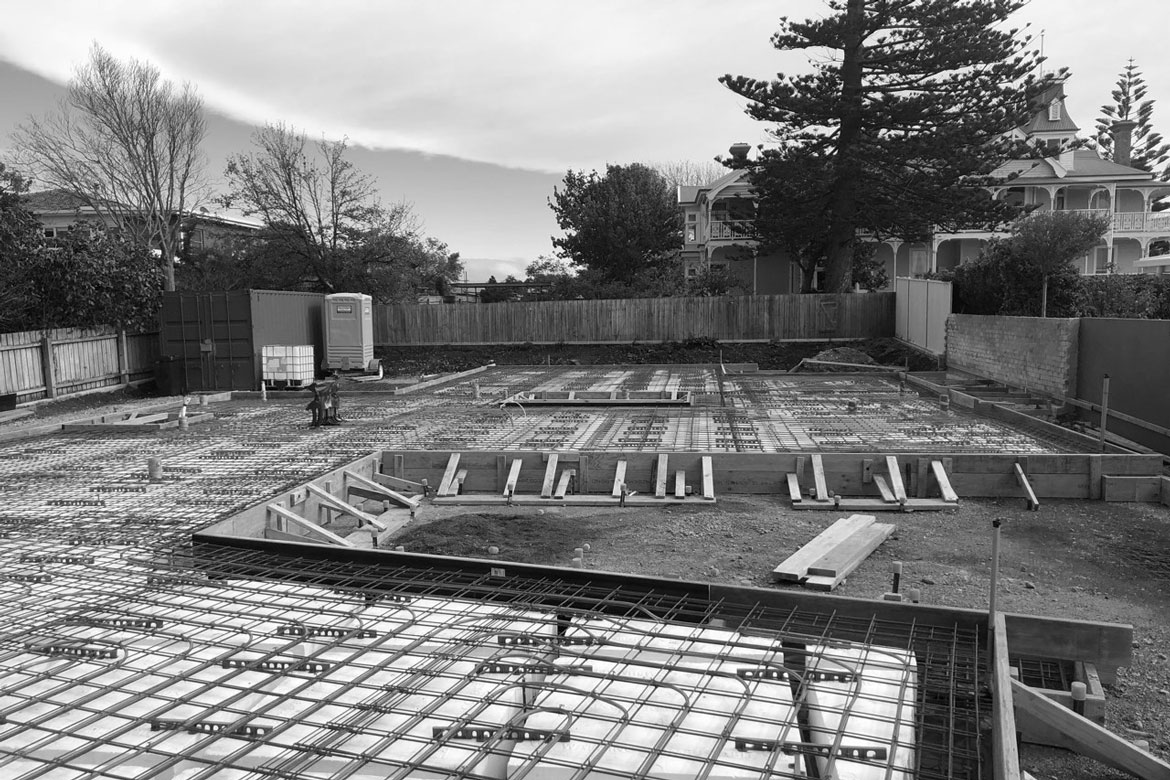
Northern Tasmania.
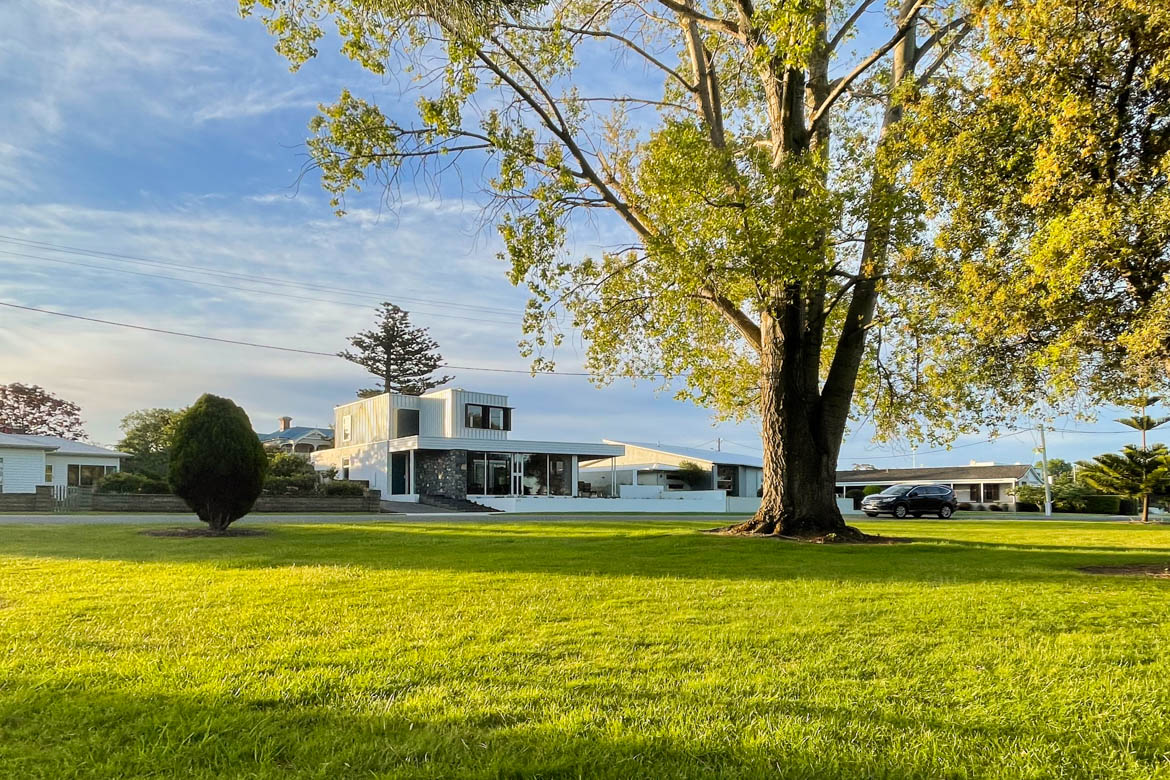
Rivermouth is arranged to create multiple private outdoor garden spaces that vary in character.
They are balanced with the more public street elevation, which faces the meeting of the Mersey River and Bass Strait.
Set within an established precinct, the home views to a local surf break.
Occupied – landscape phase.
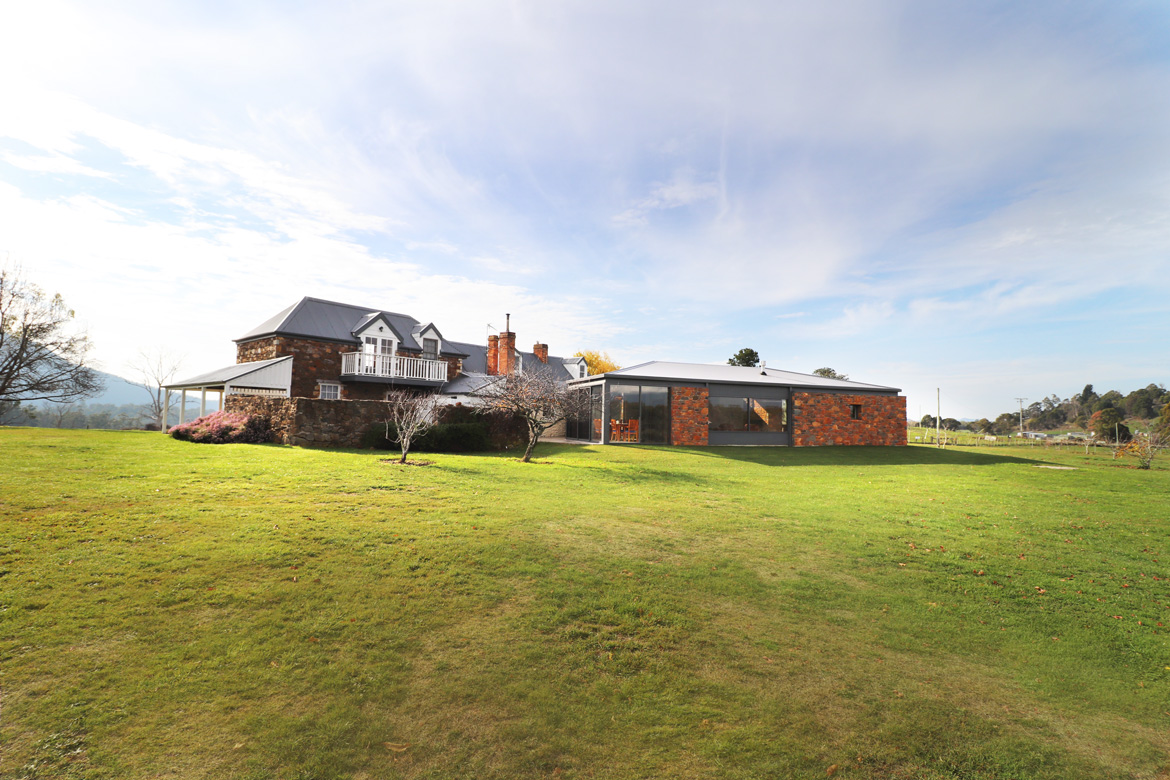
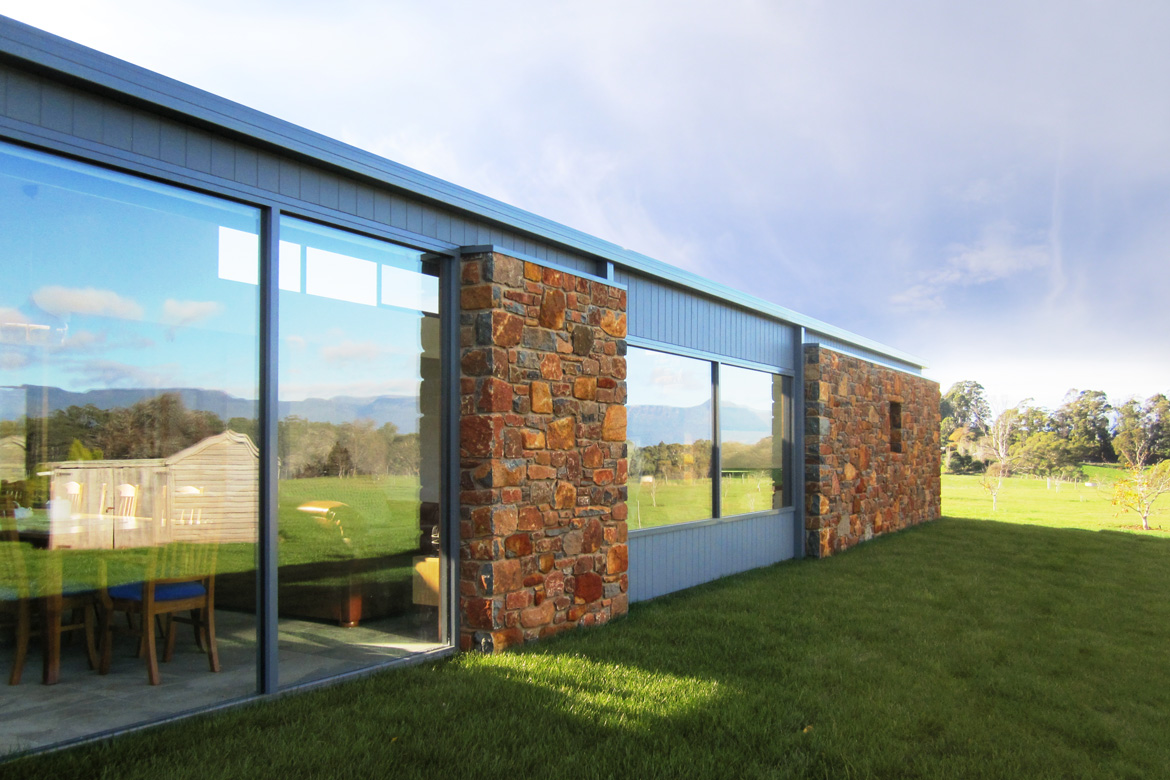
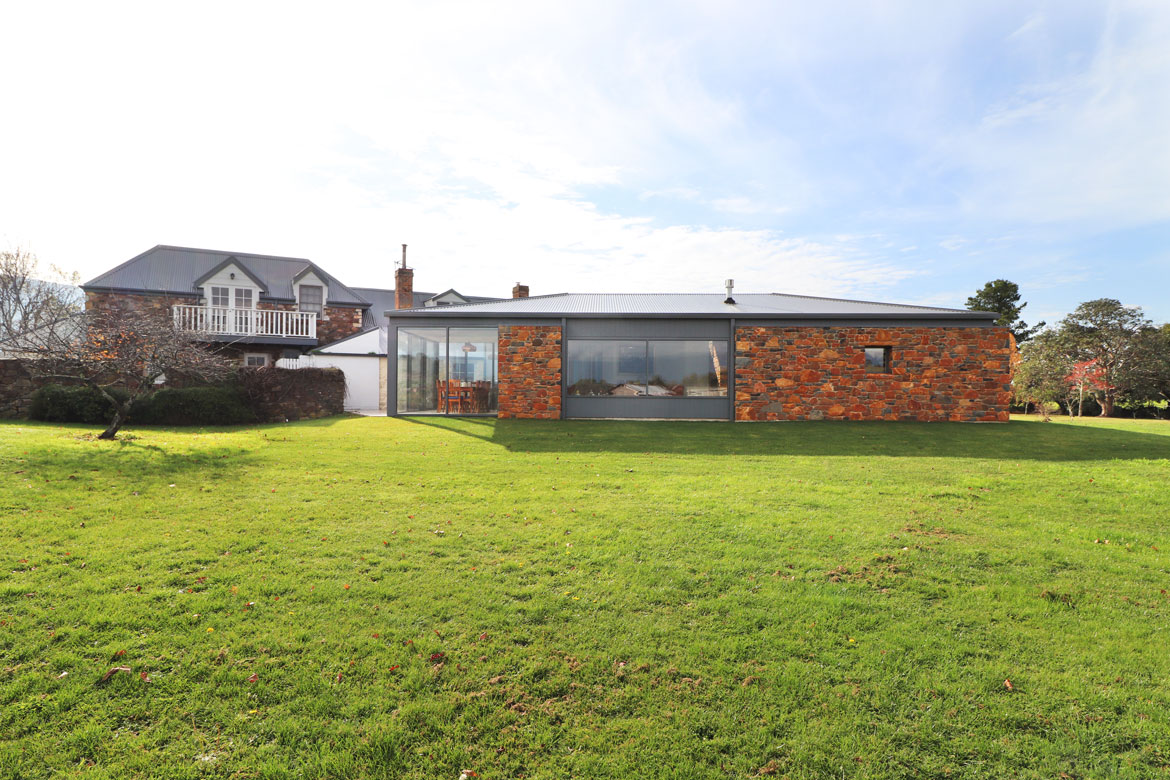
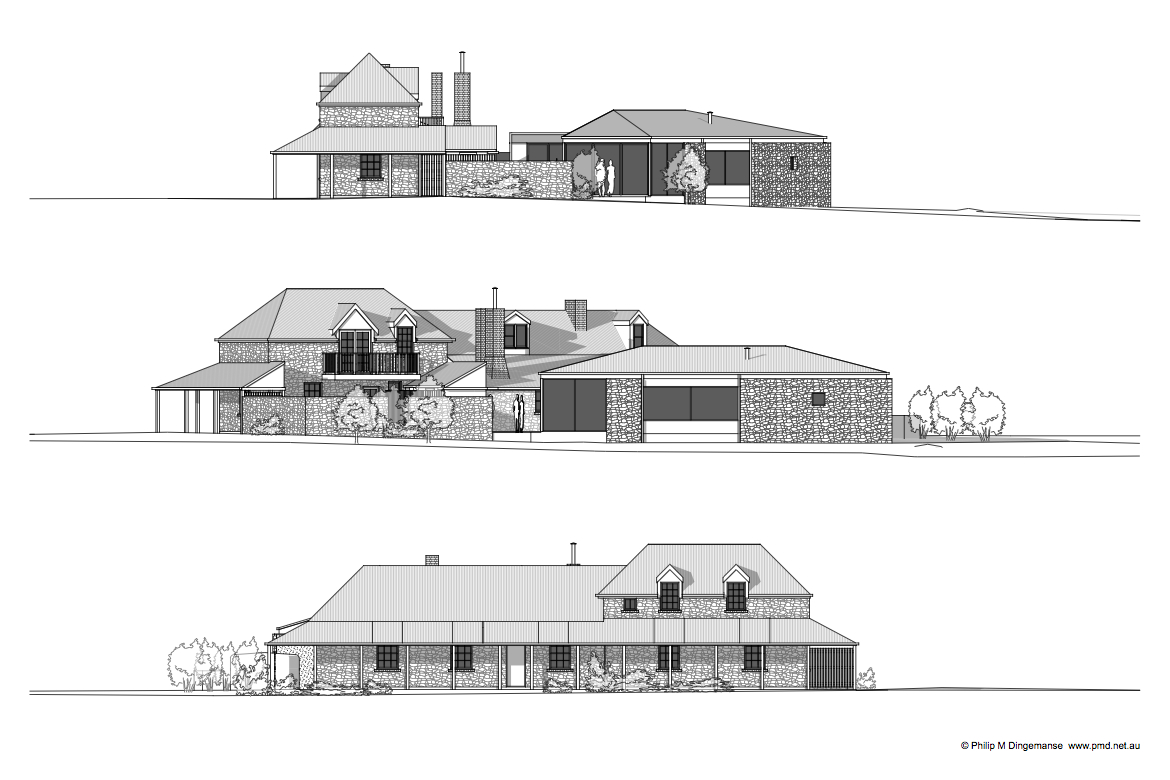
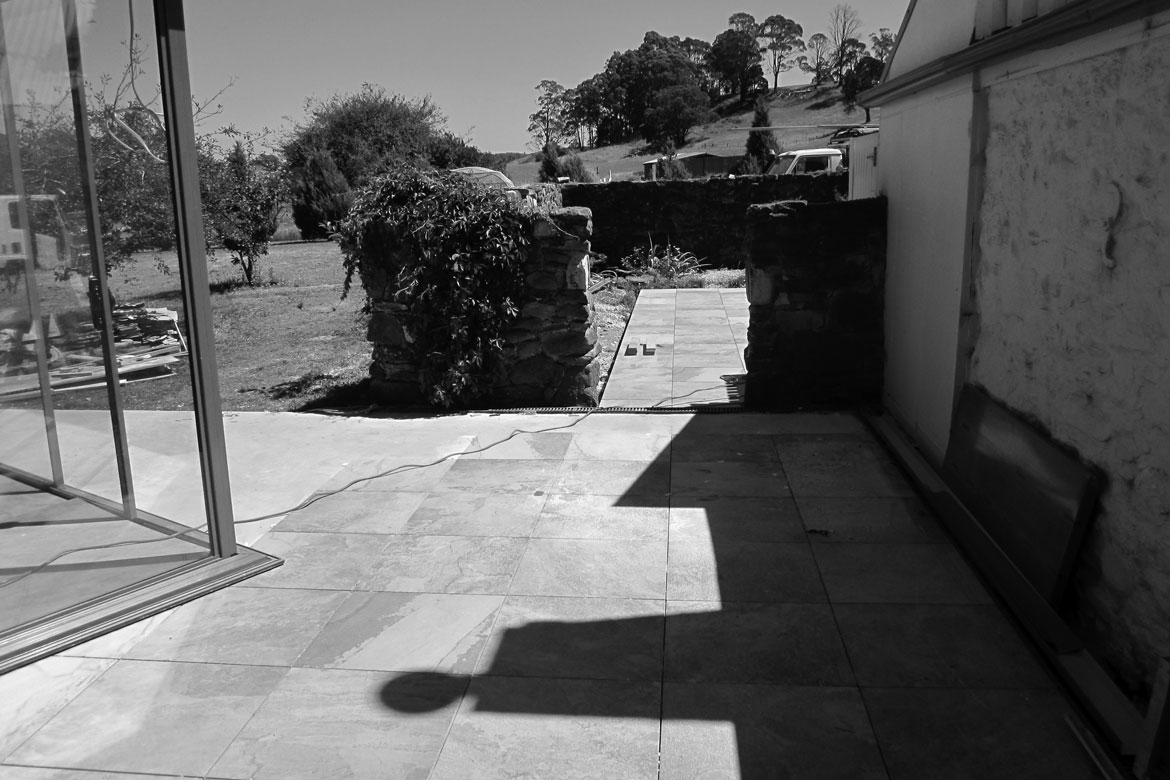
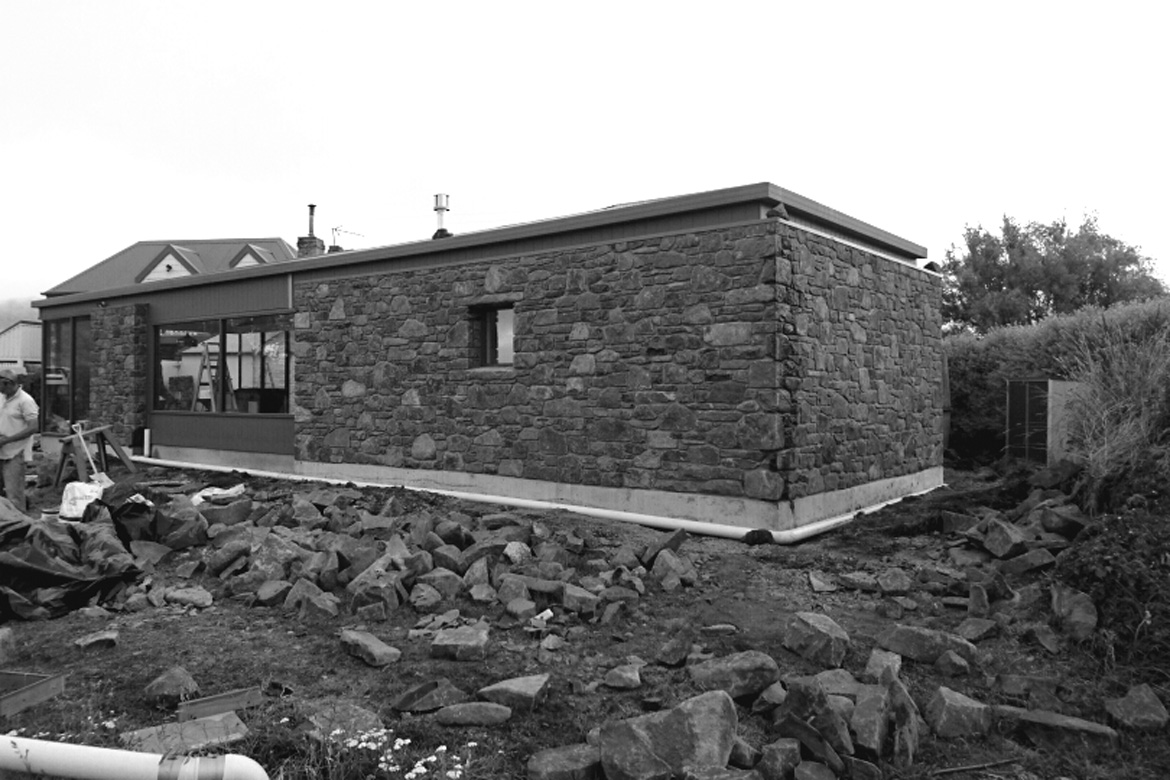
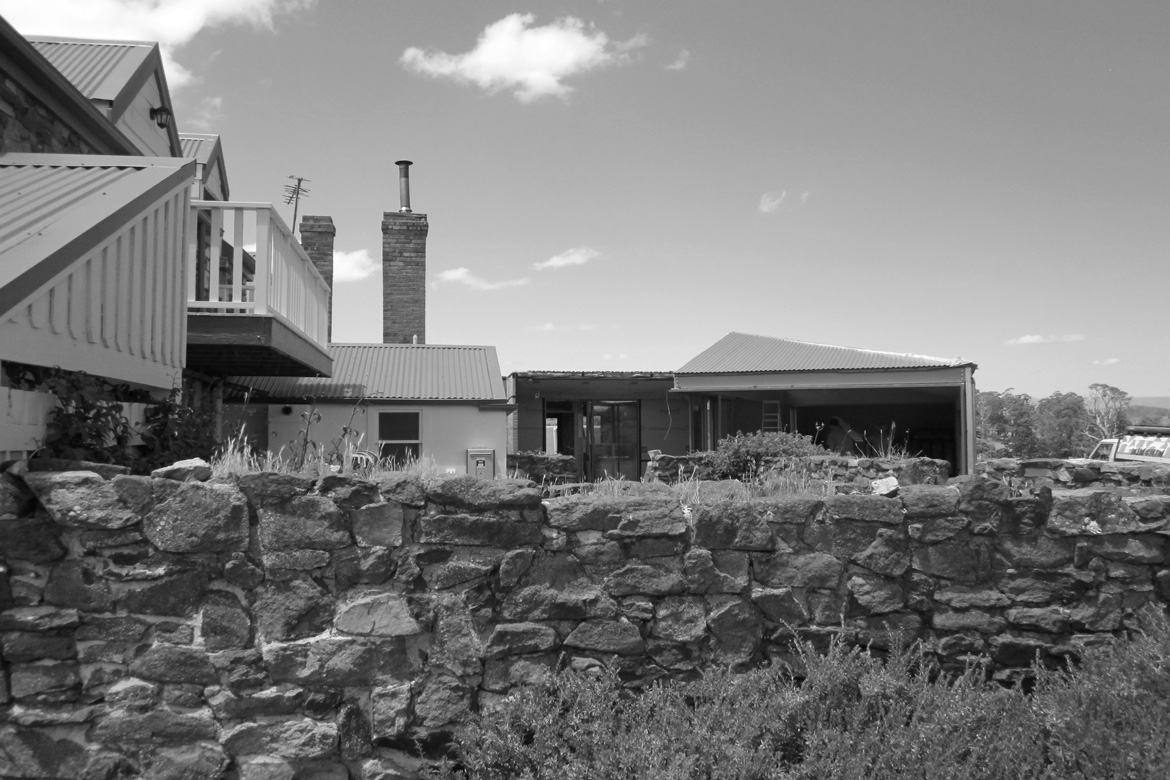
Mountain Room Great Western Tiers
Central Tasmania.
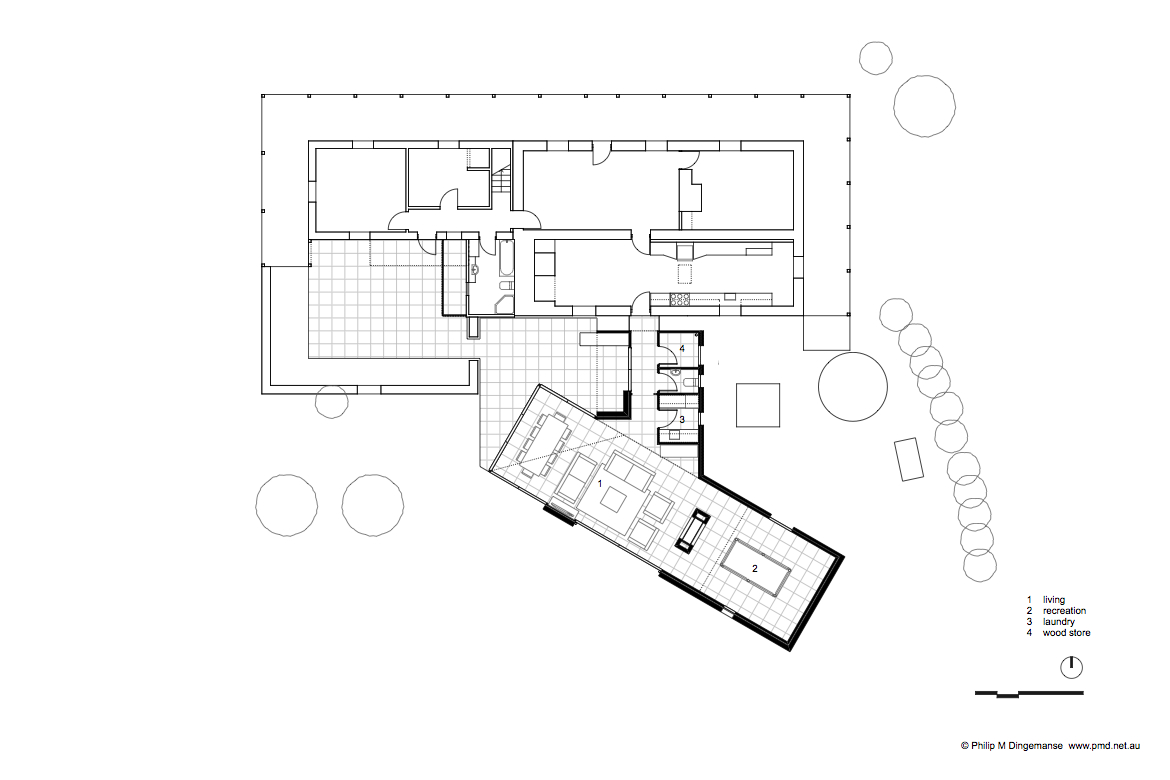
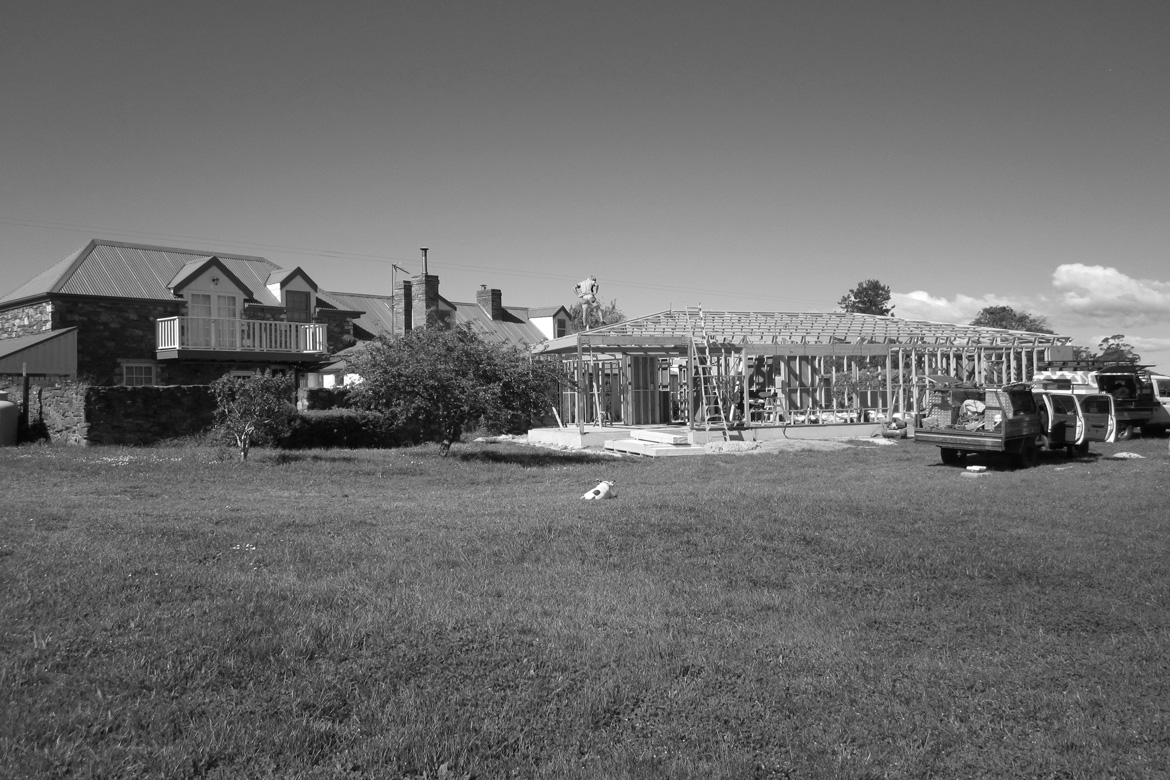
Extension to a stone farm house.
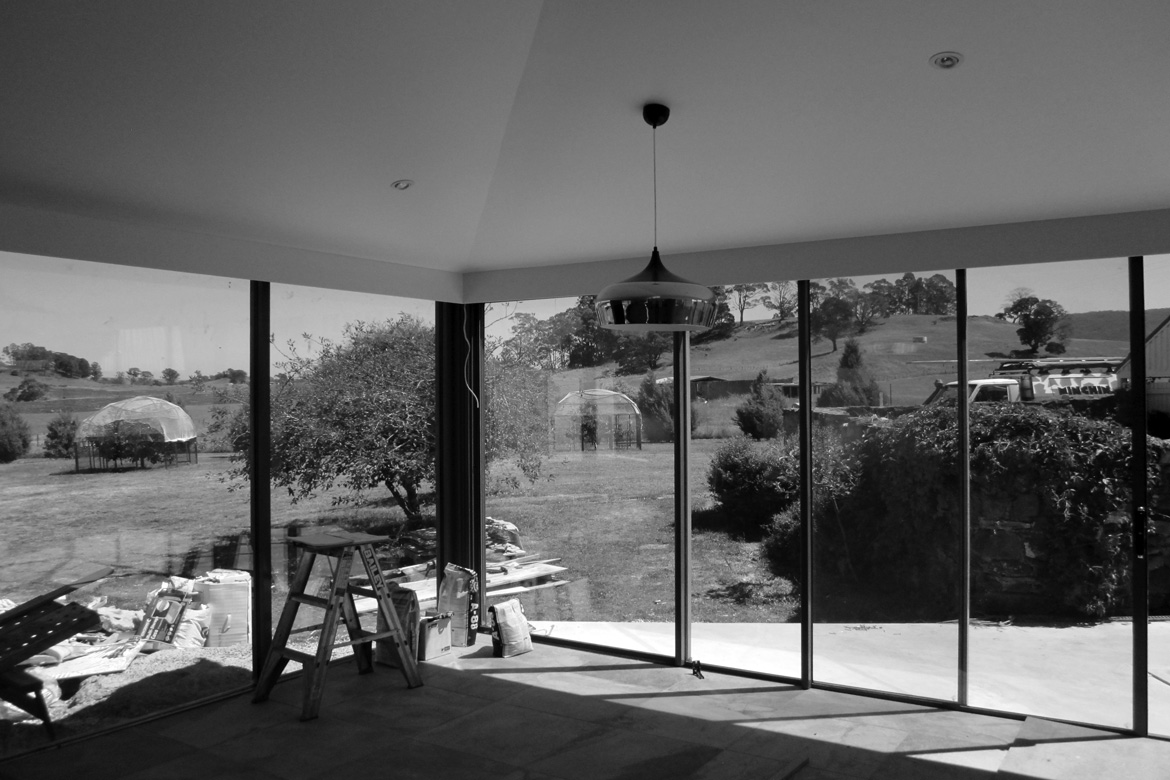
The Mountain Room’s focus is to the Great Western Tiers, a stunning Tasmanian range.
Cimitiere Residence
Central Launceston, Tasmania.
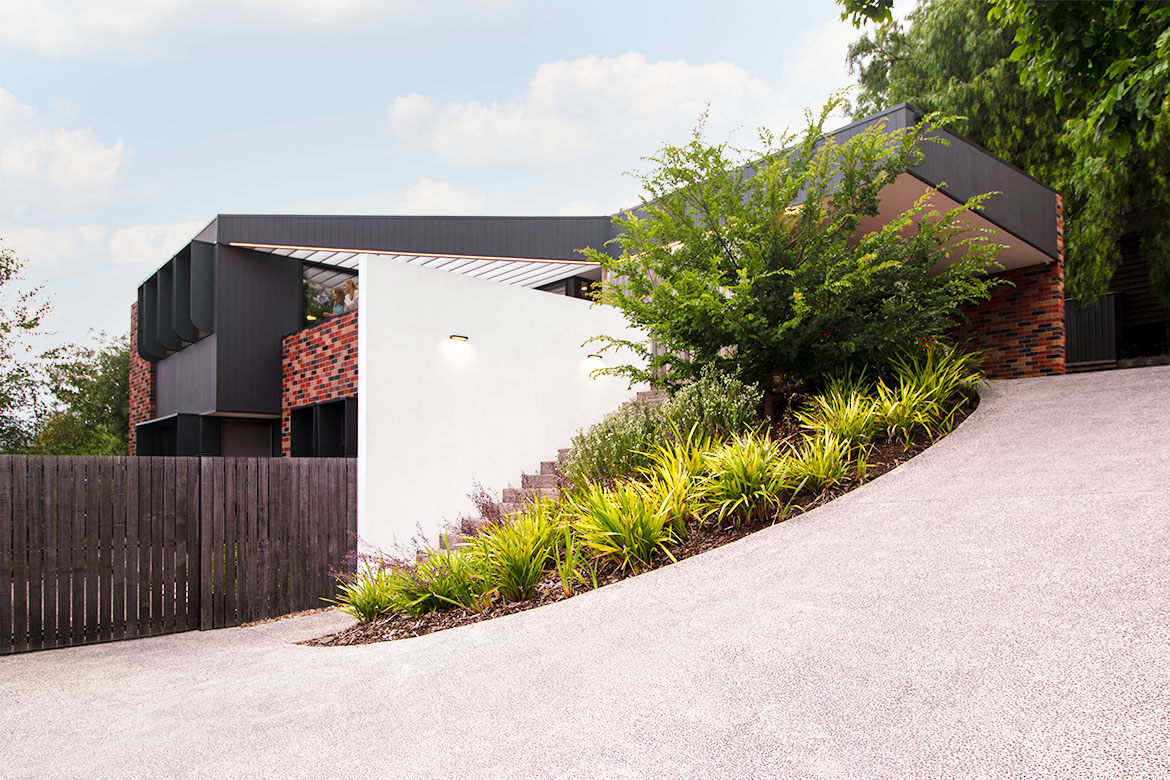
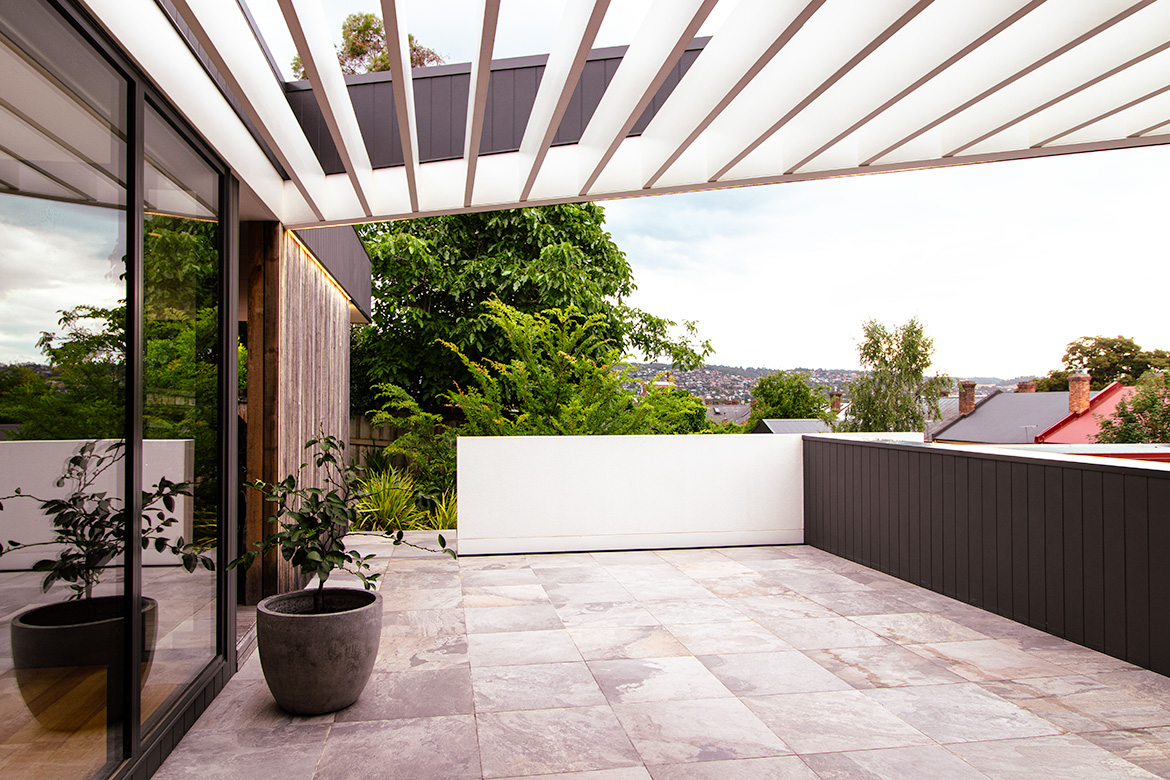
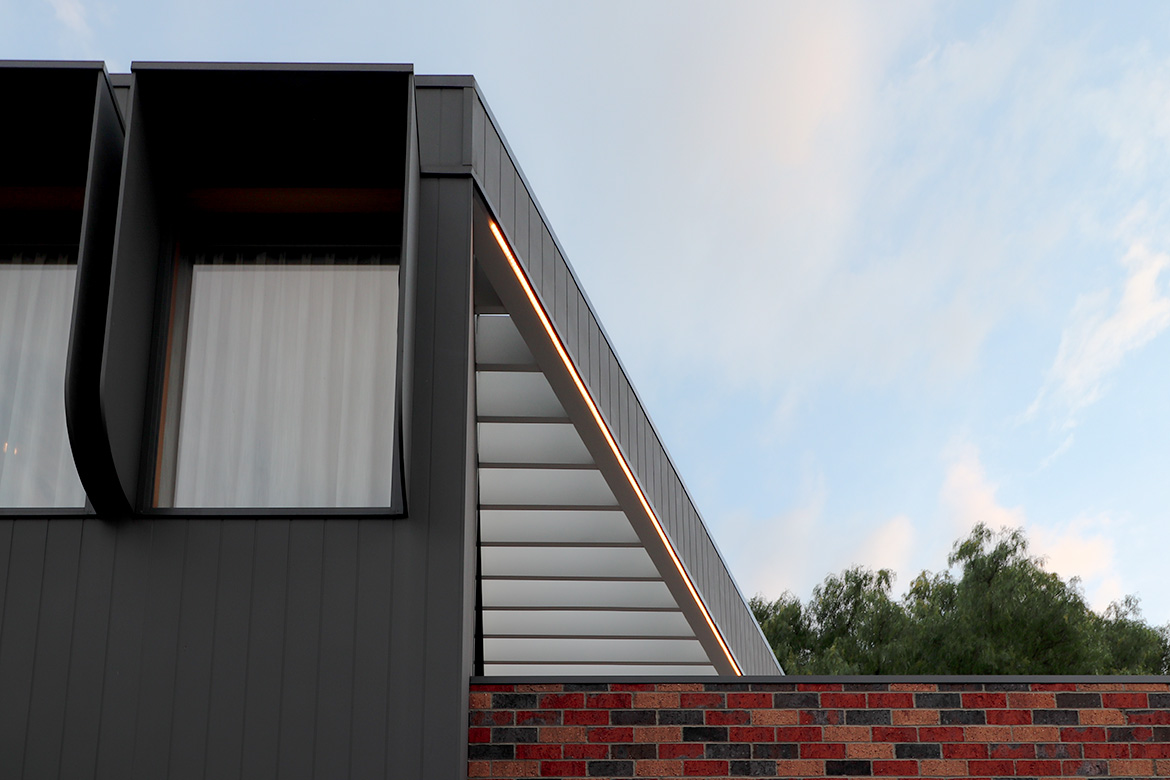
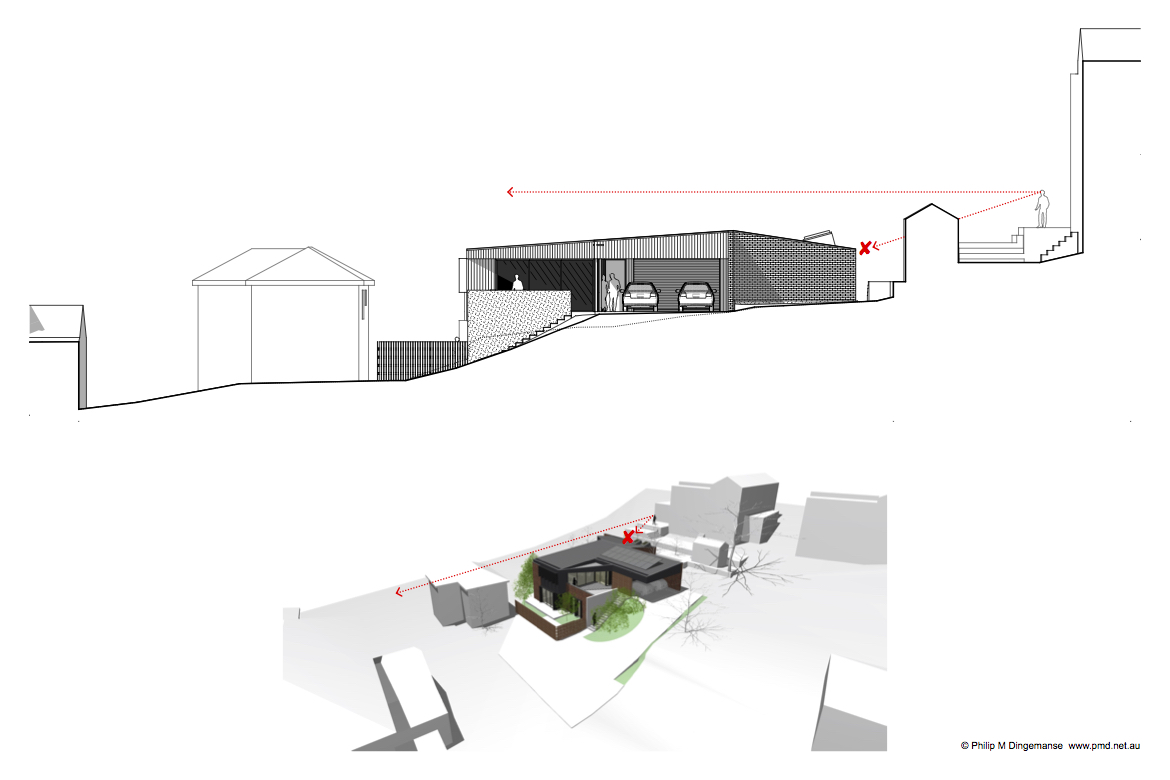
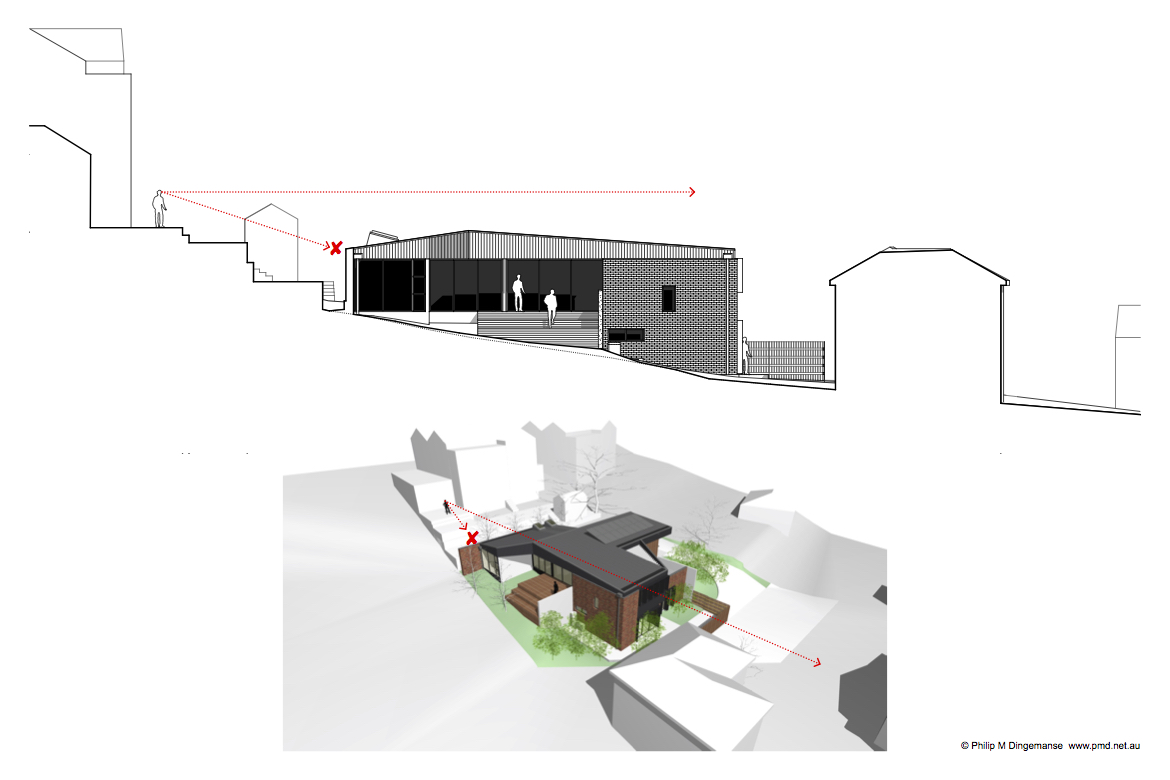
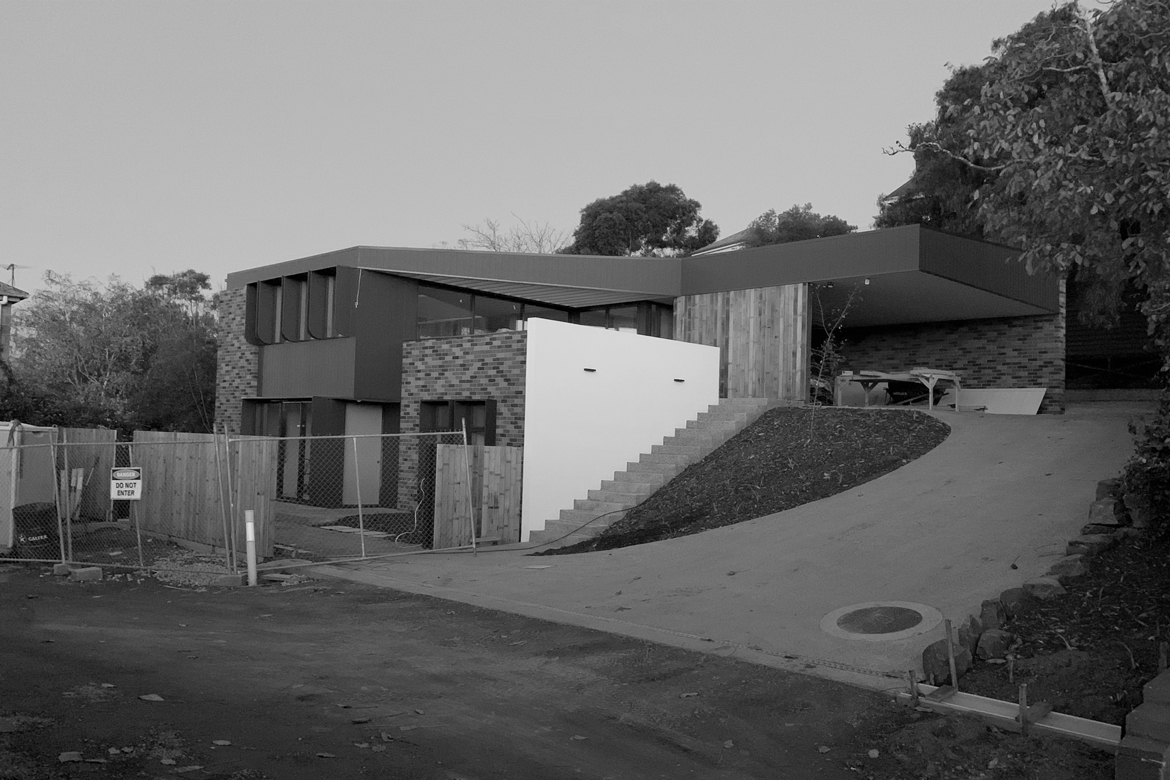
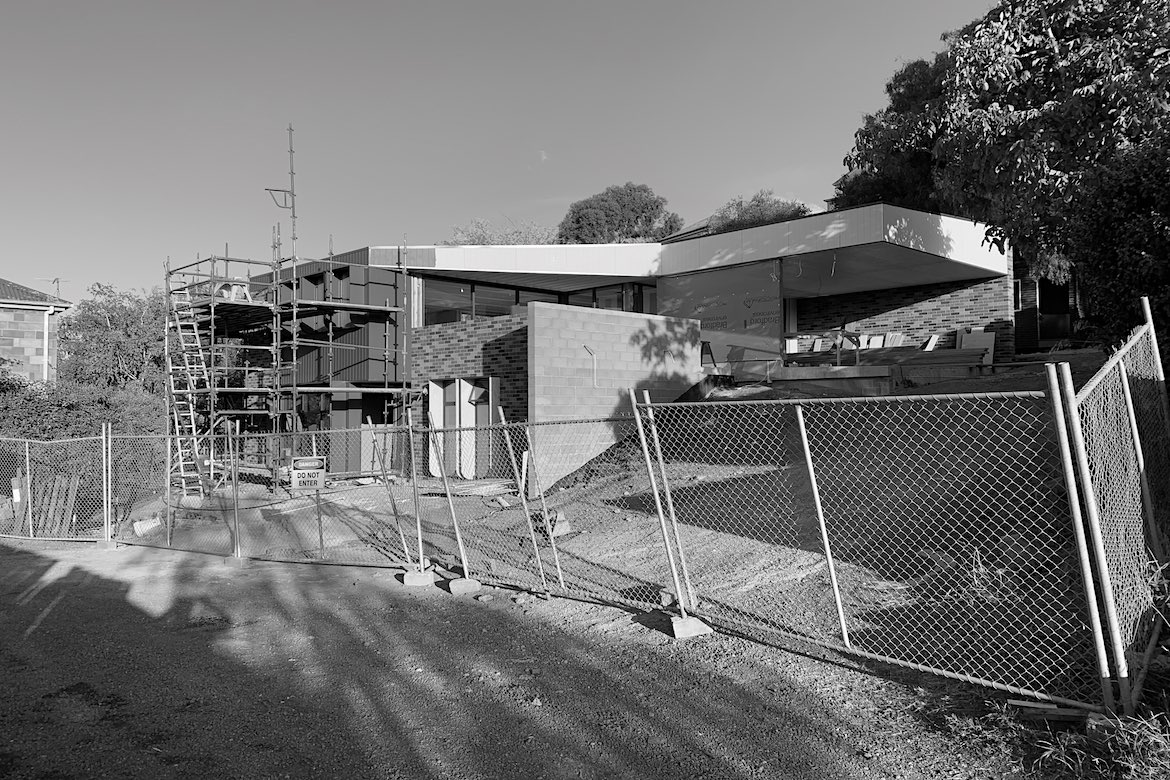
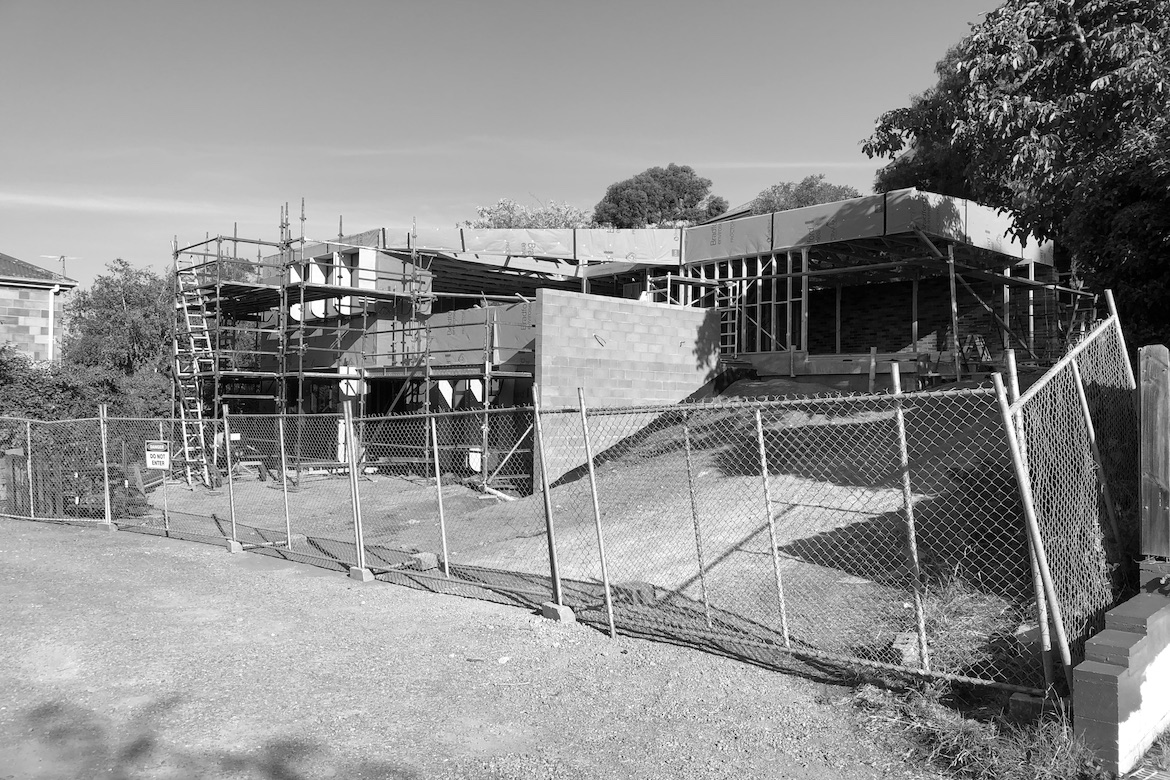
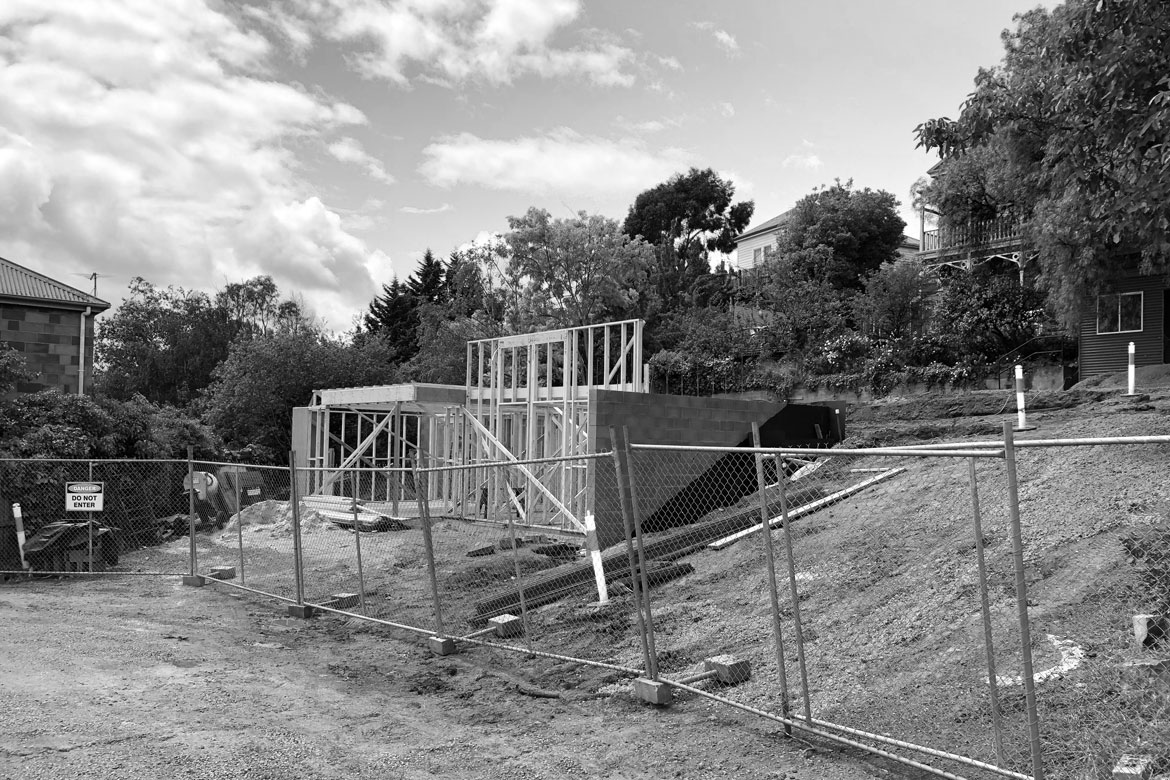
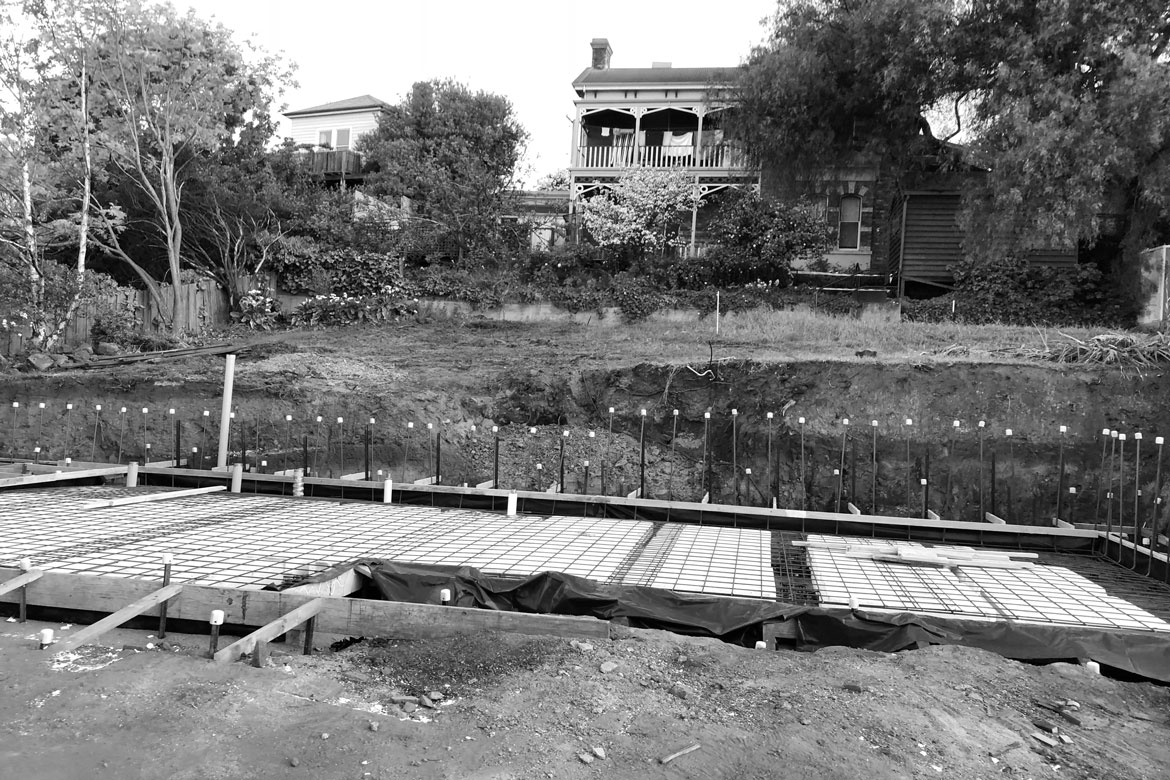
Located in the vicinity of heritage properties, due consideration is given to the built design response with regard its siting, bulk, form, scale, character, colour, texture and material, while at the same time being identifiable as contemporary work.
The built profile is as low as practicable adjacent the heritage property above, while its 2 storey portion is downslope and partly behind a double storey building in the foreground.
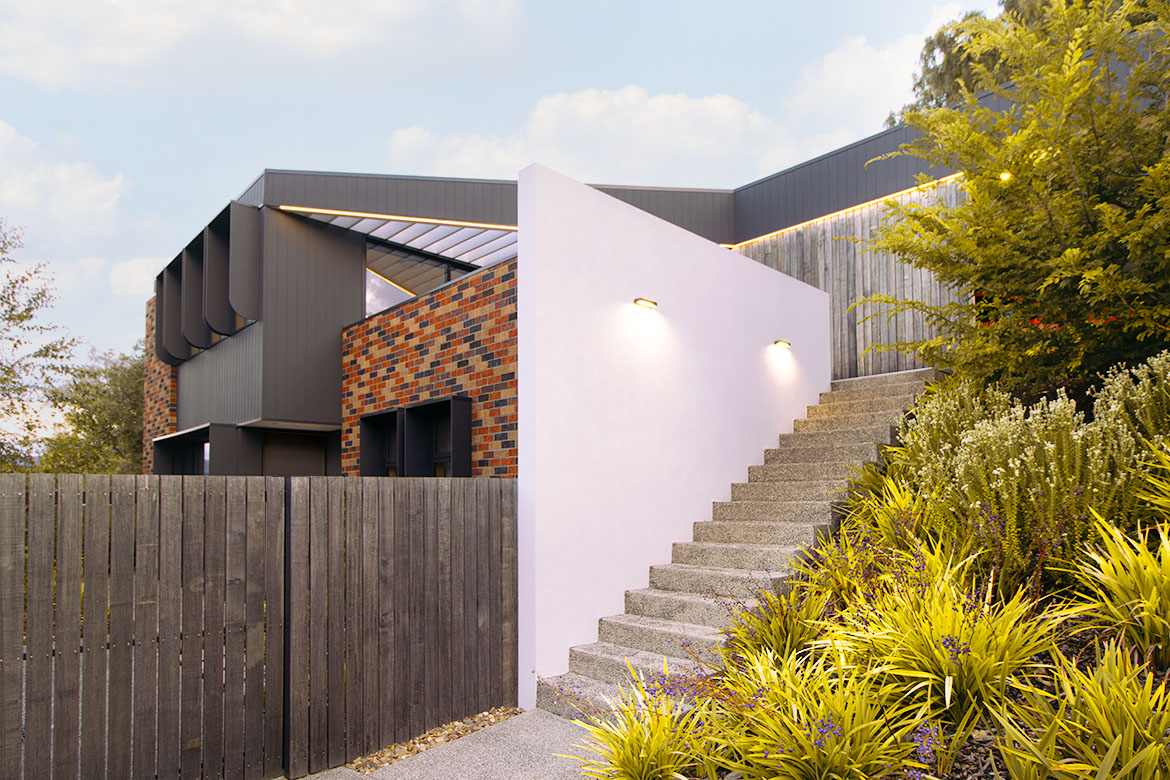
The general material selections of a dark deep grey finish coupled with natural clay brick are a contextual response and contribute to framing a recessive character amongst the neighboring gardens.
Contrastingly, a white wall to the west defines the pedestrian entry landscape stair approach, forming a backdrop to feature specimen planting and understorey vegetation.
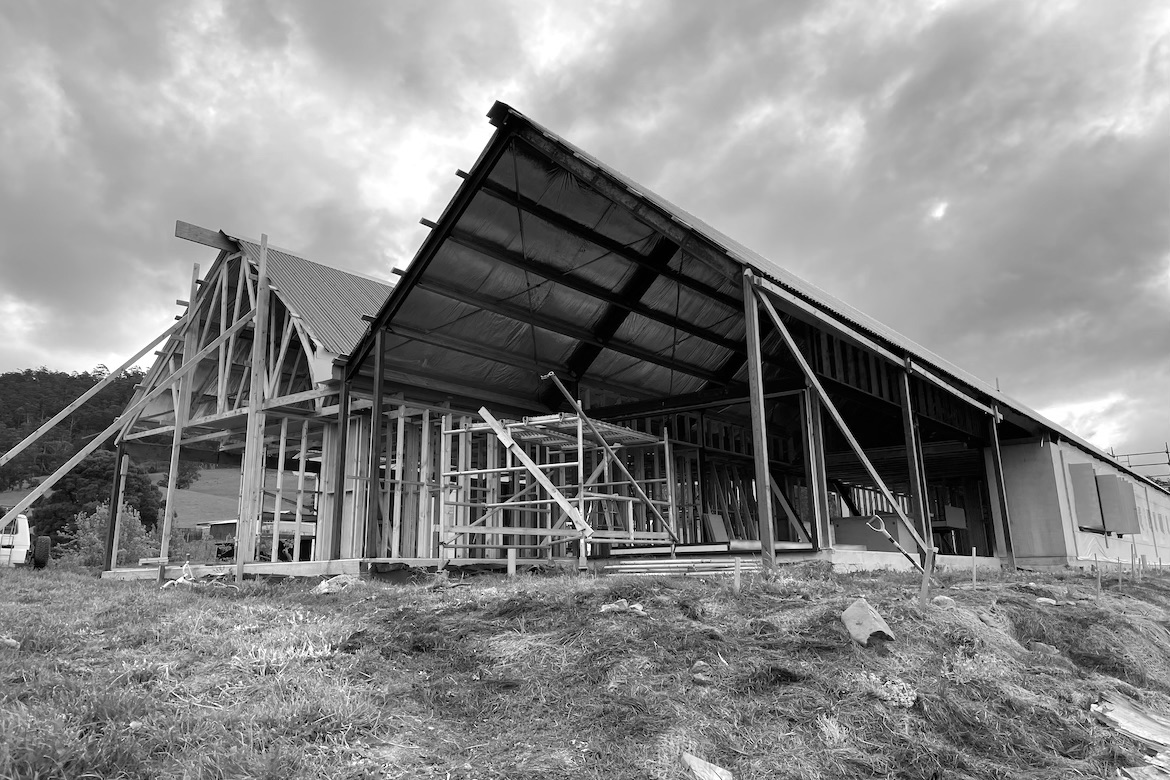
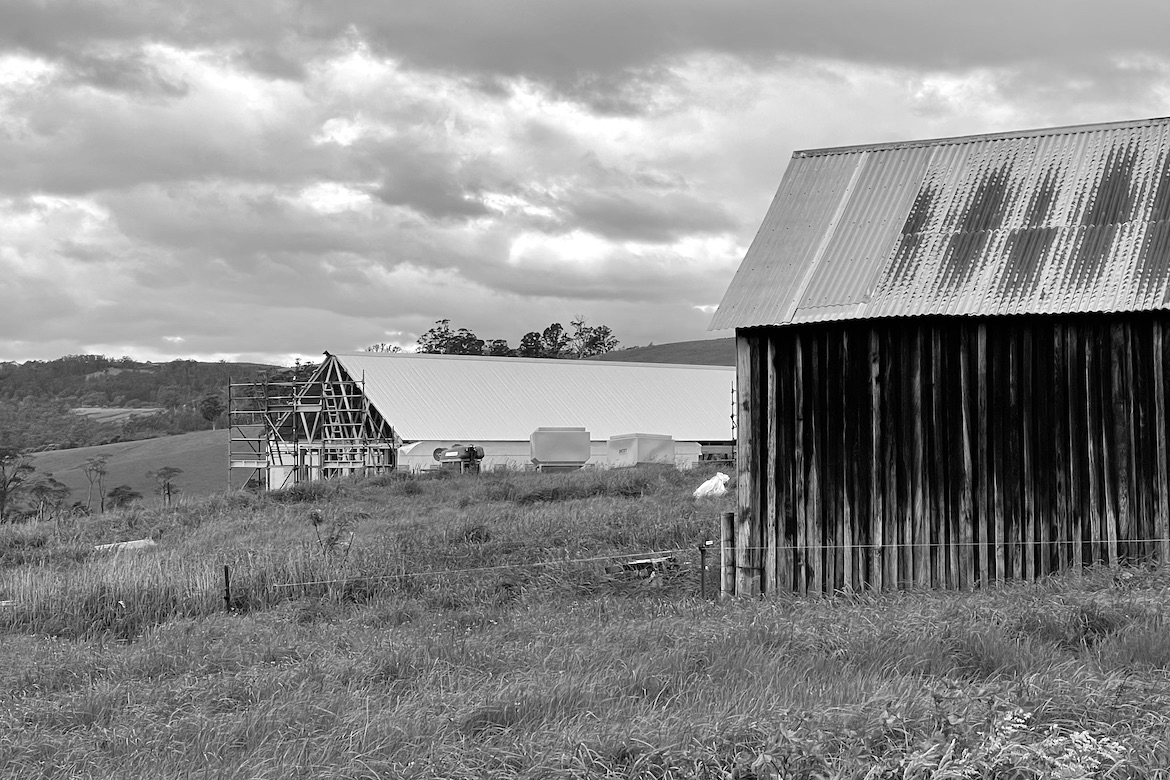
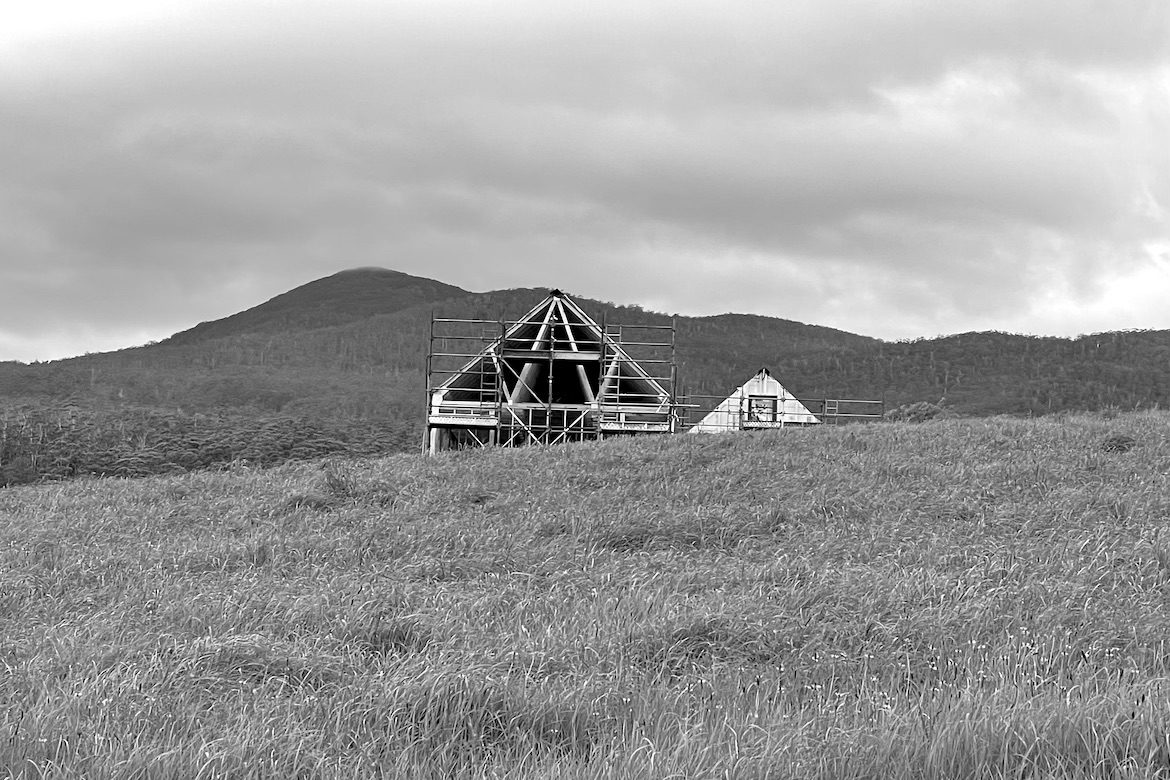
Mount Arthur Farm House
Residence, North East Tasmania.
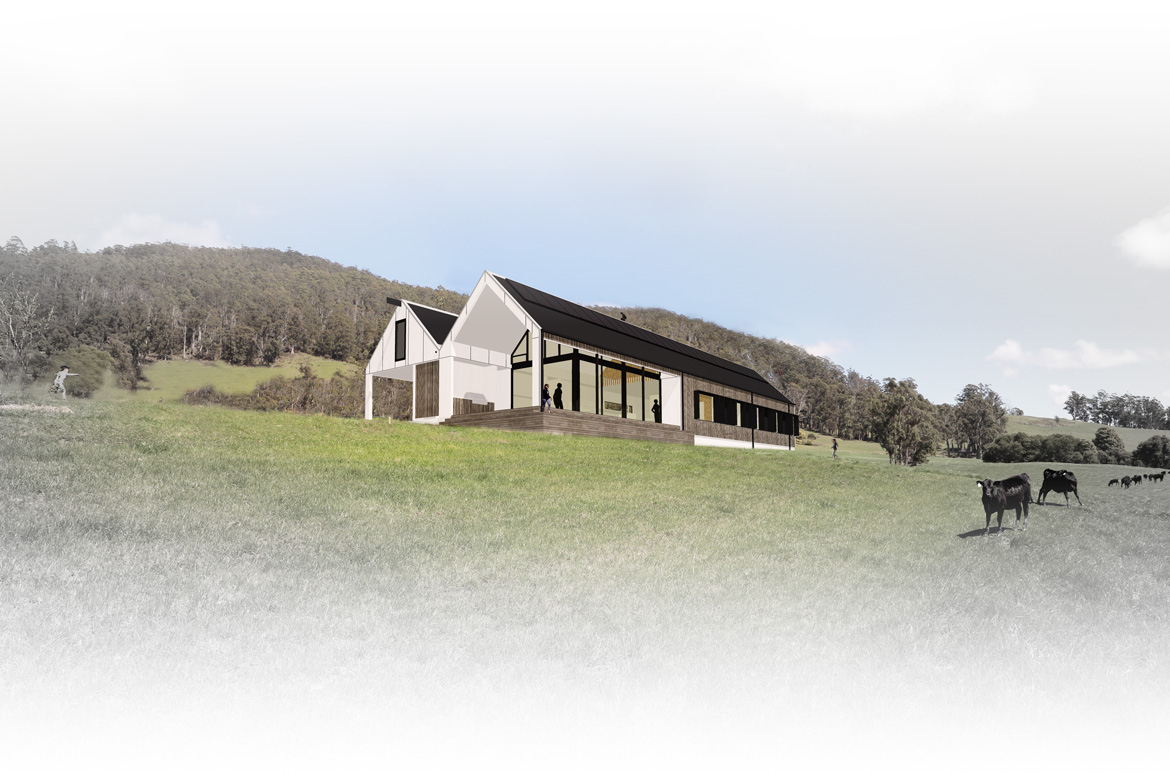
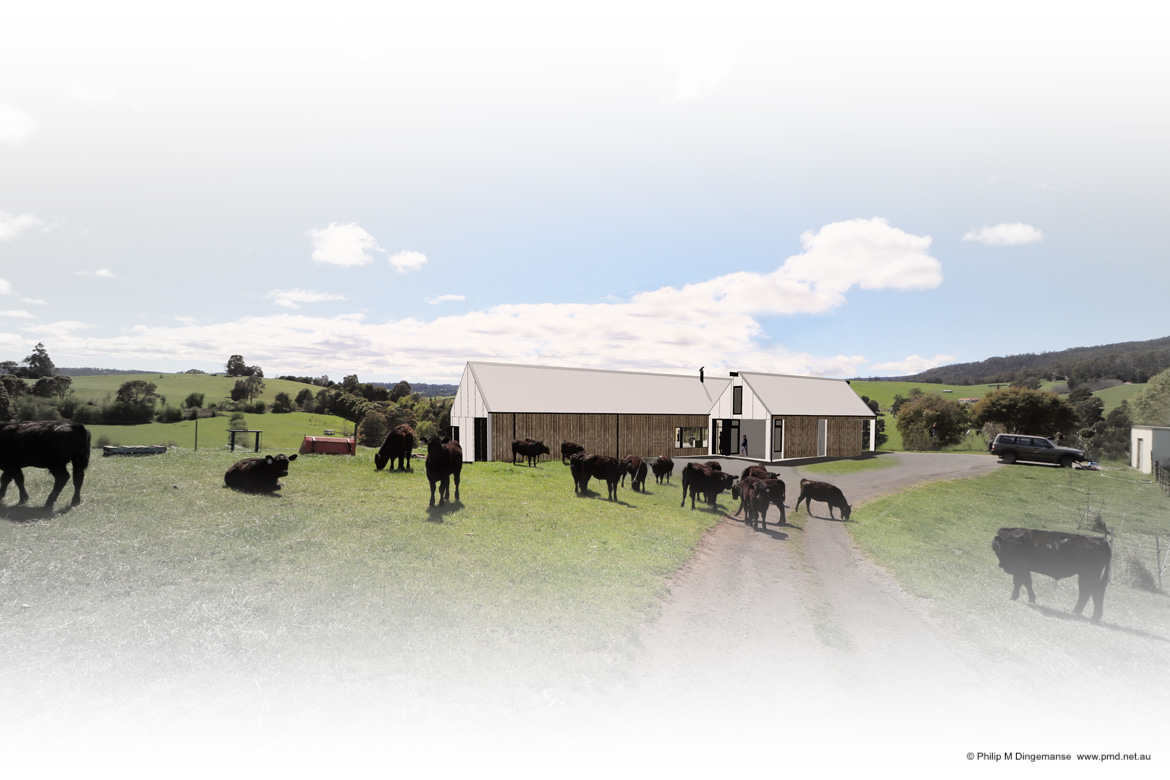
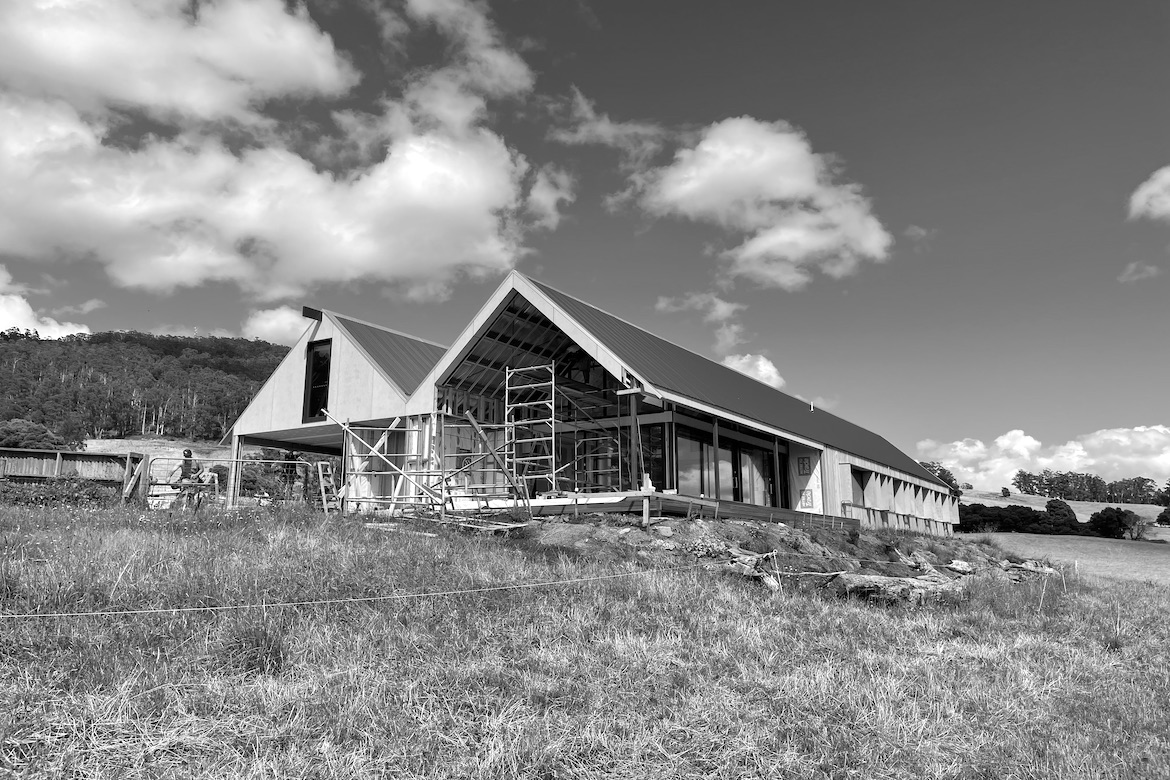
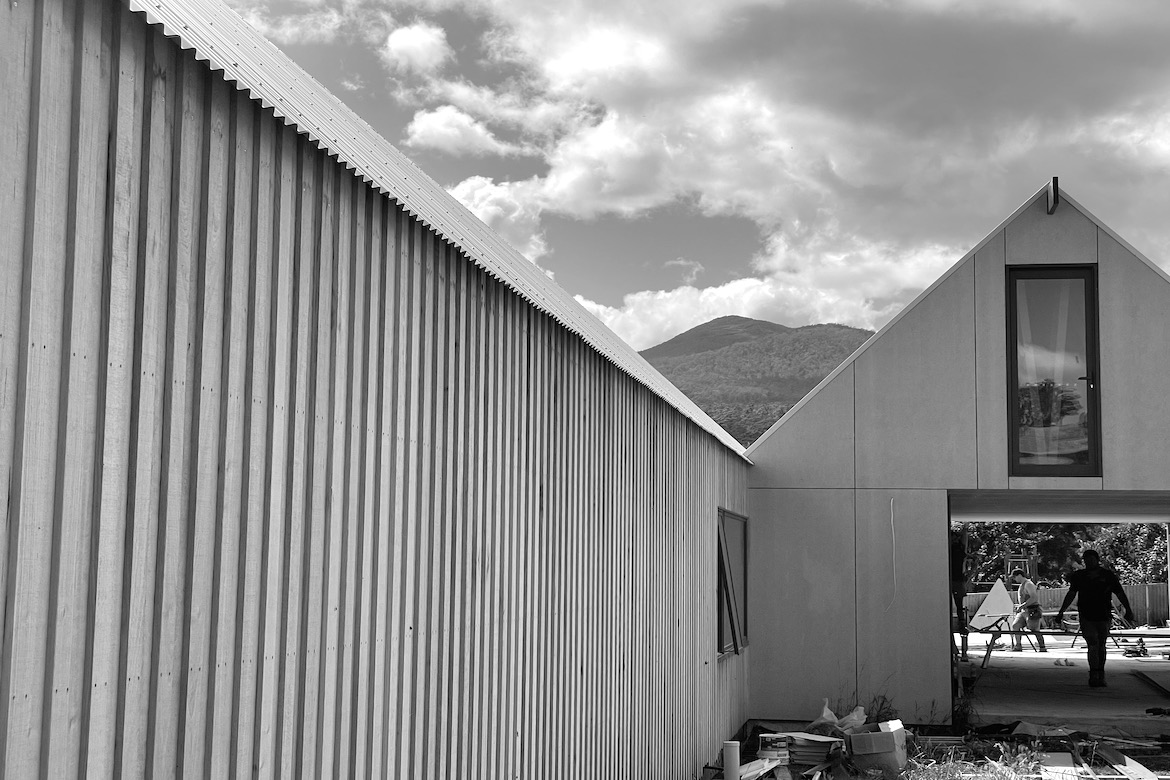
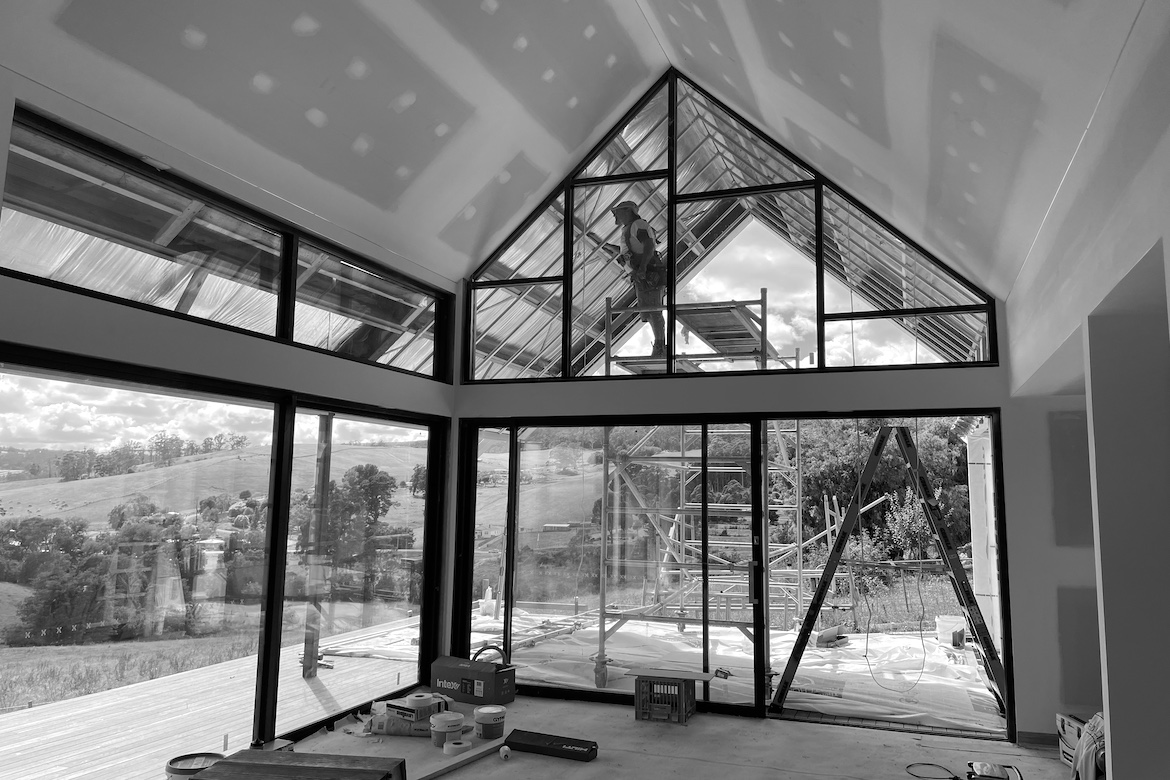
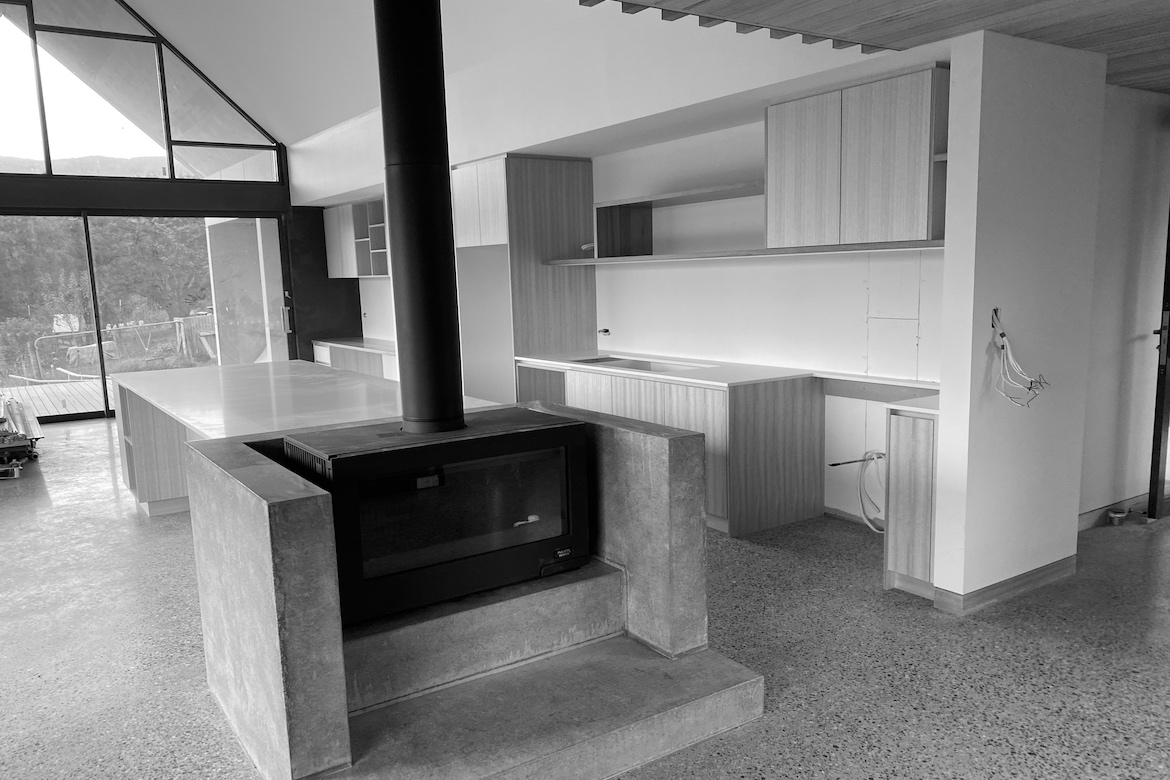
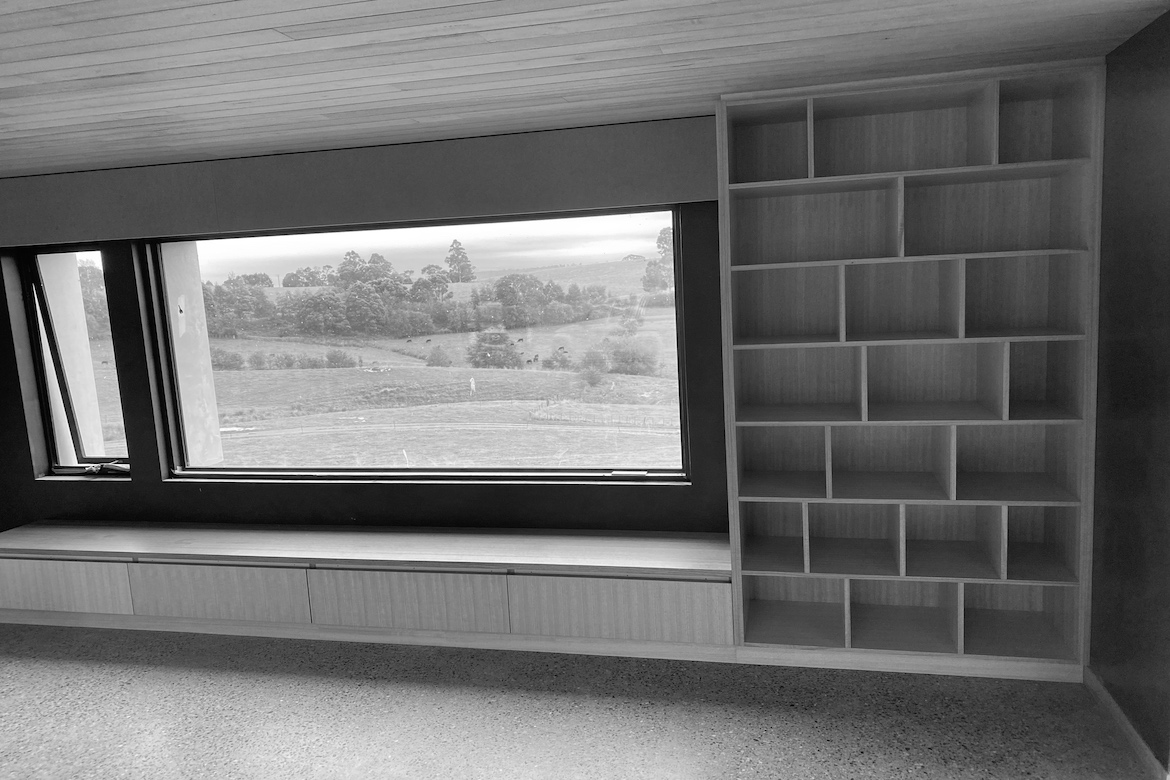
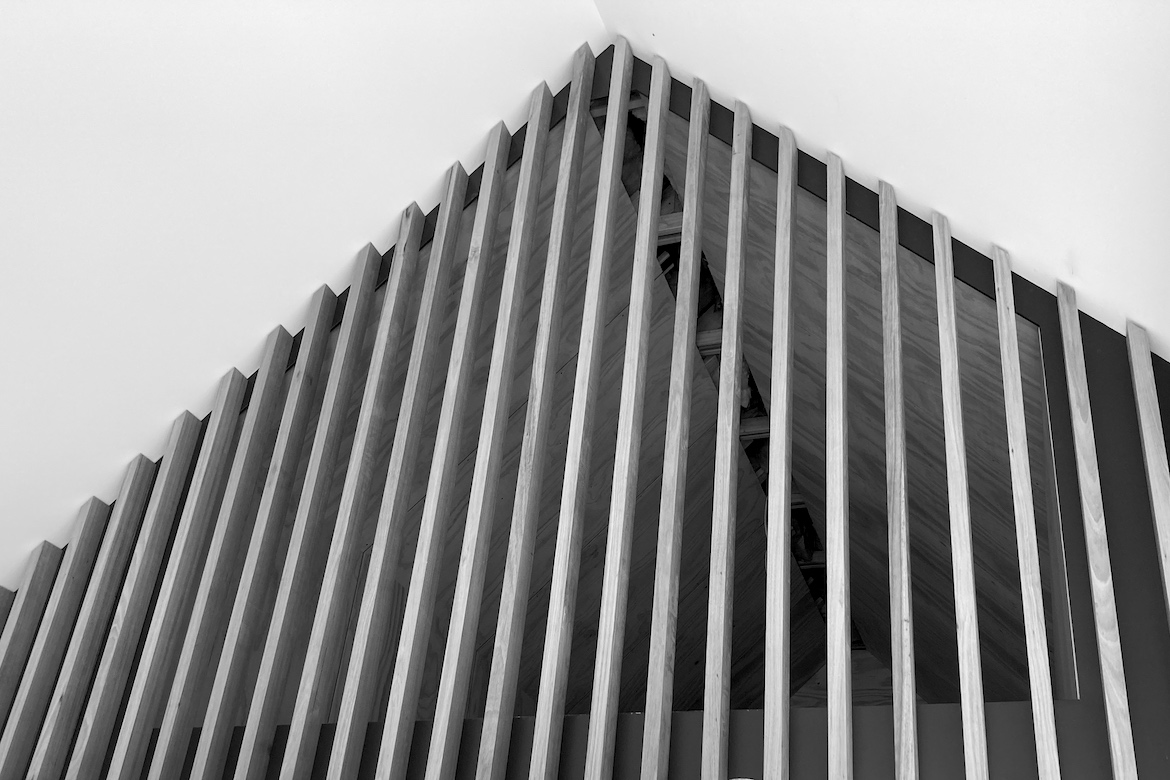
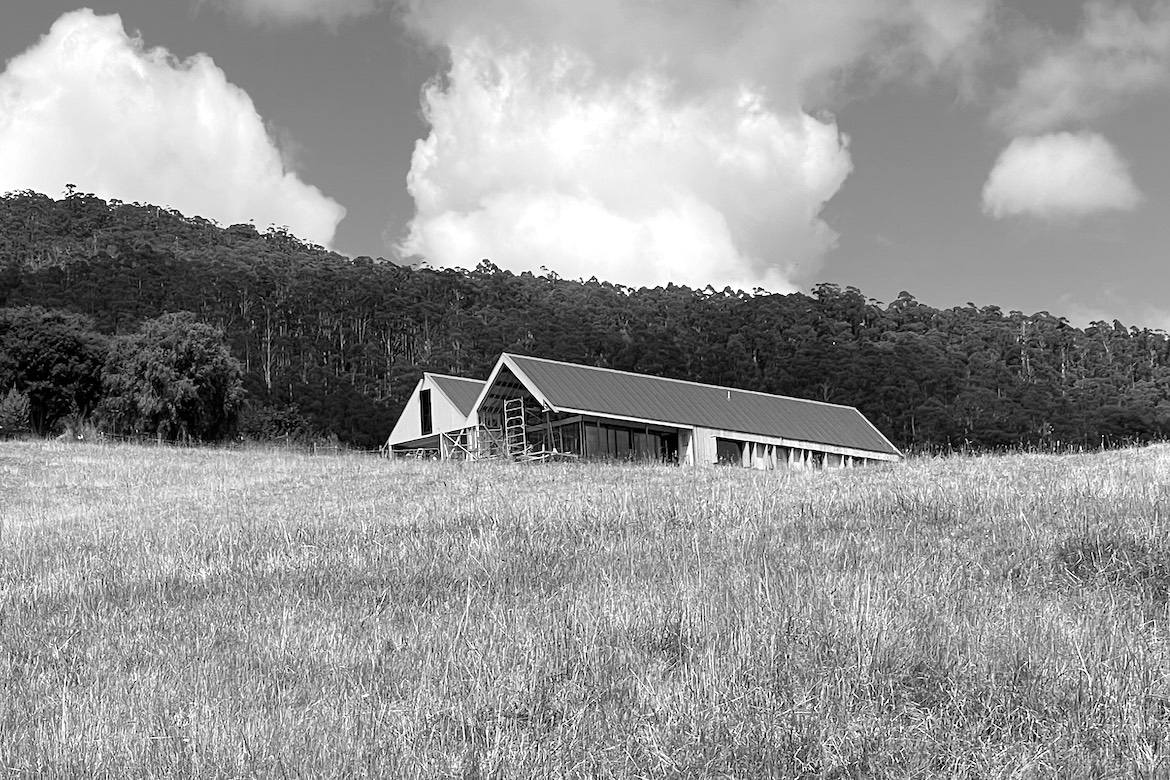
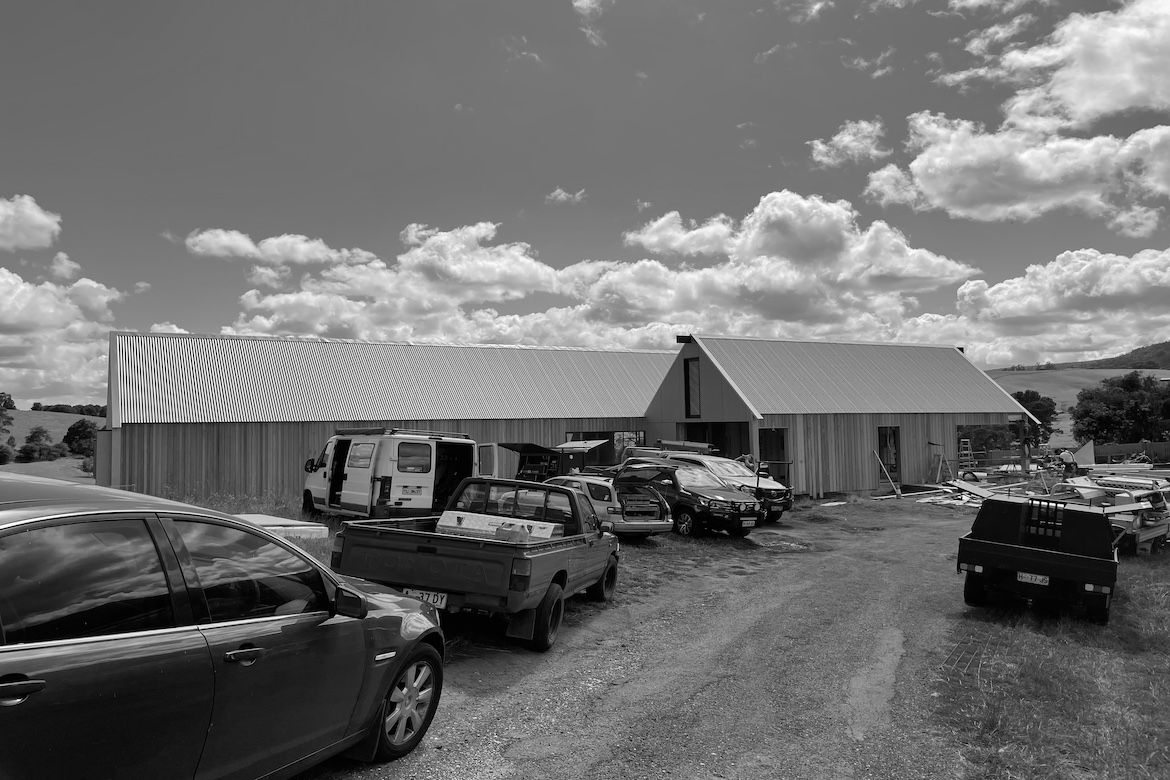
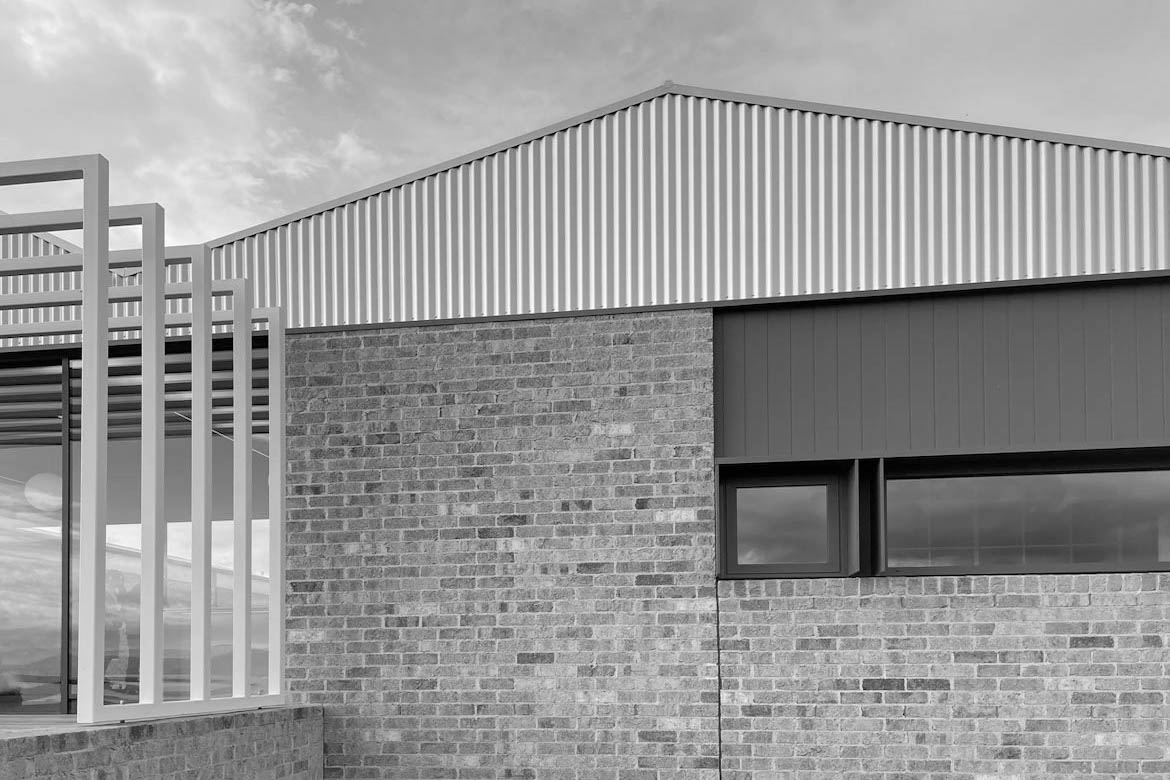
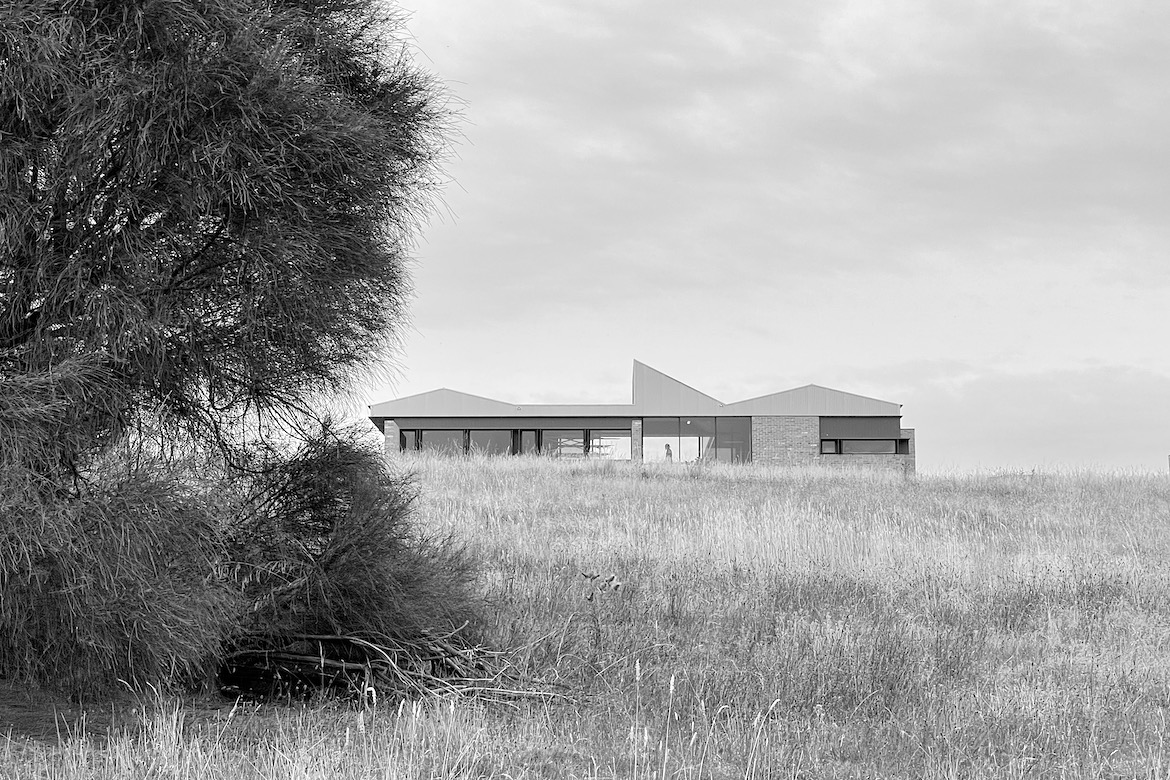
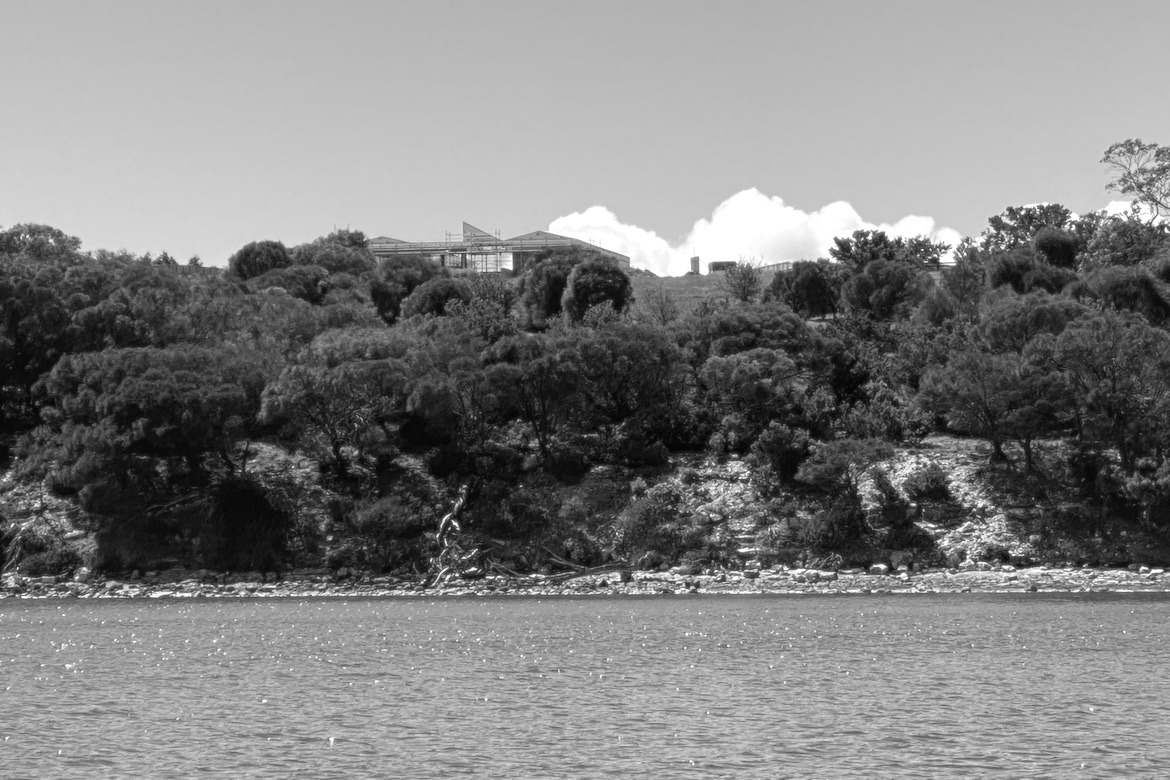
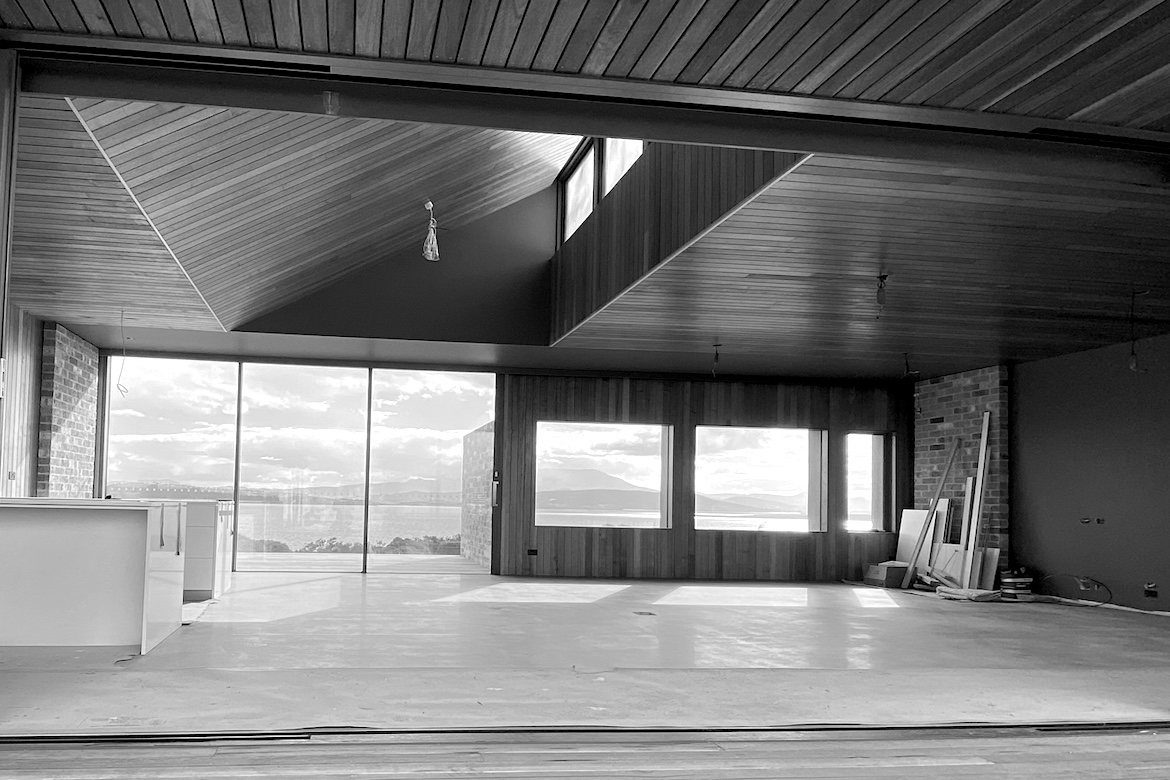
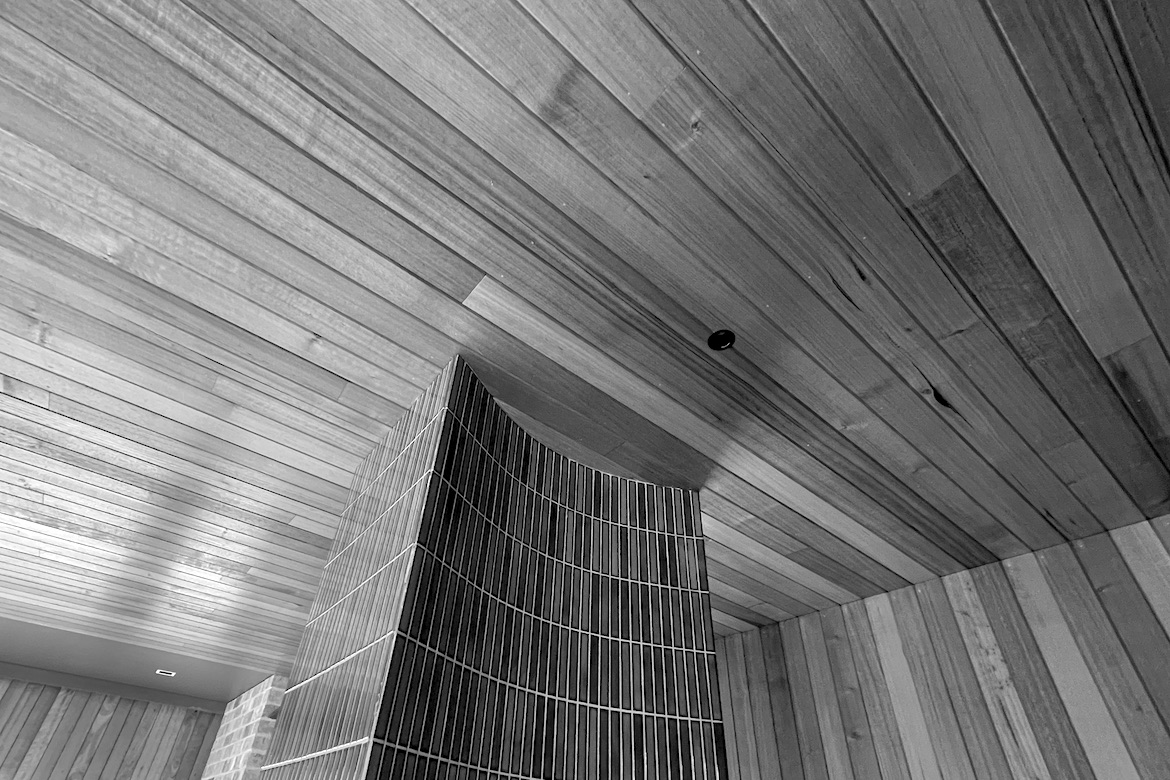
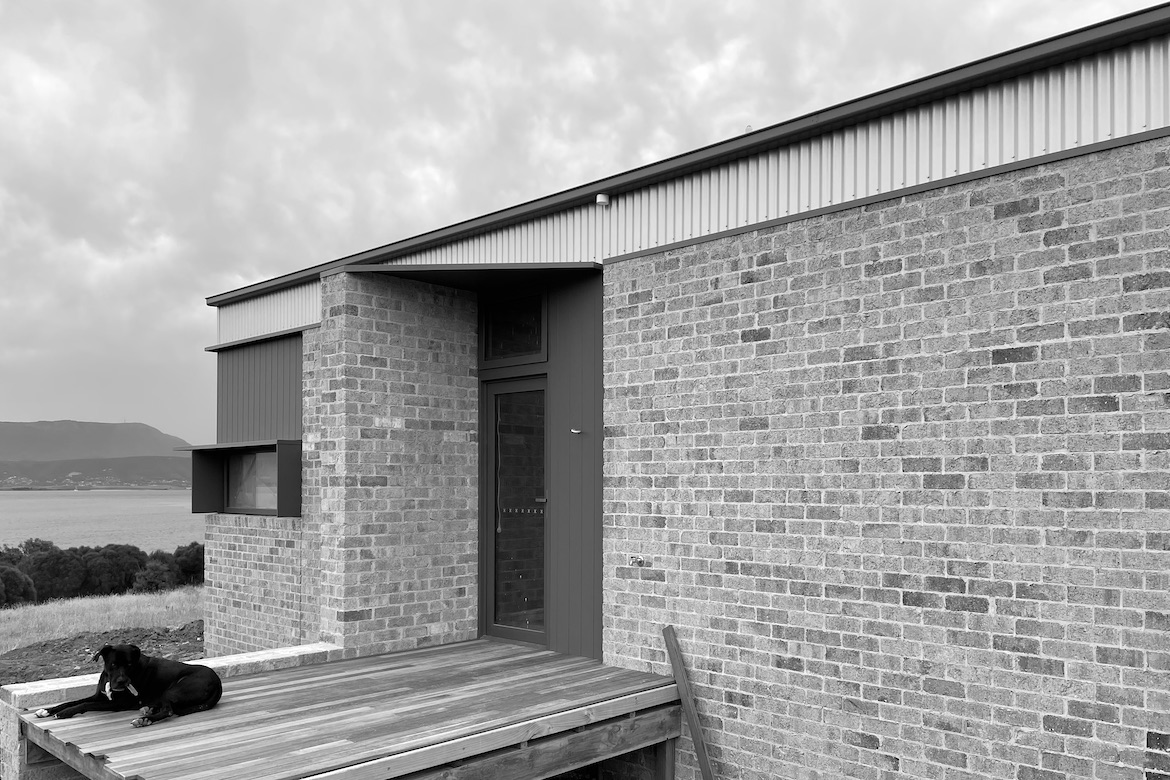
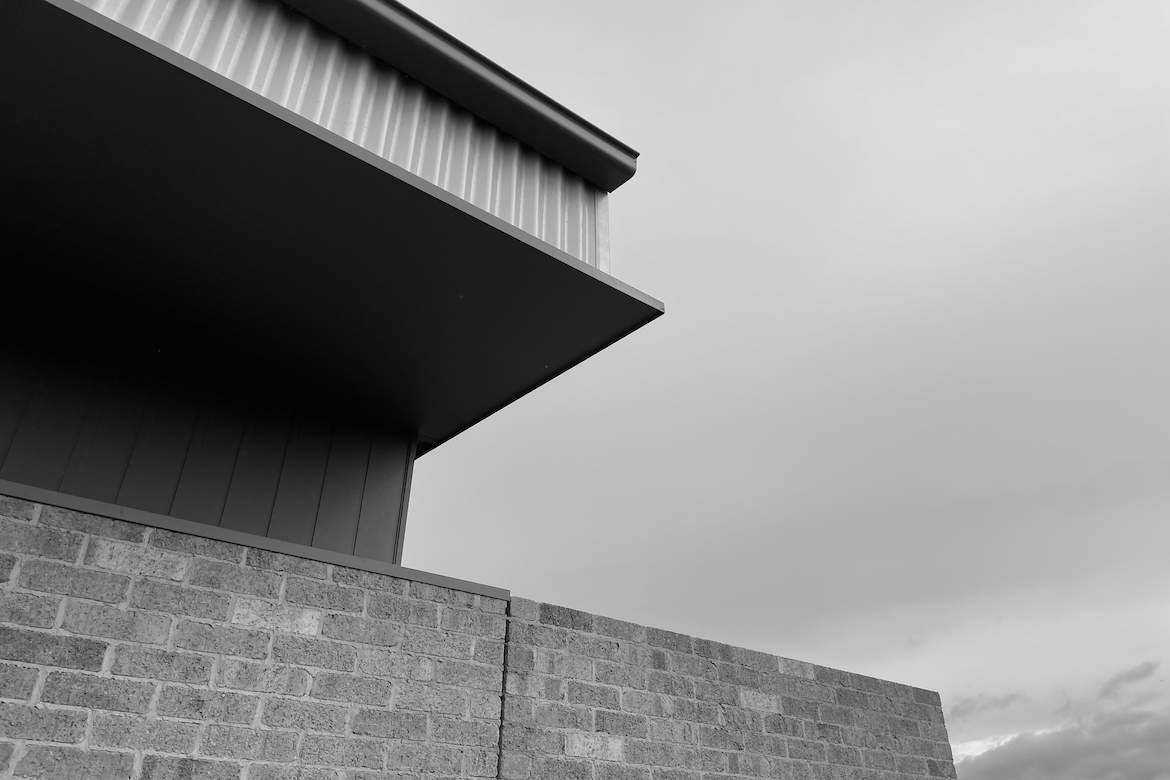
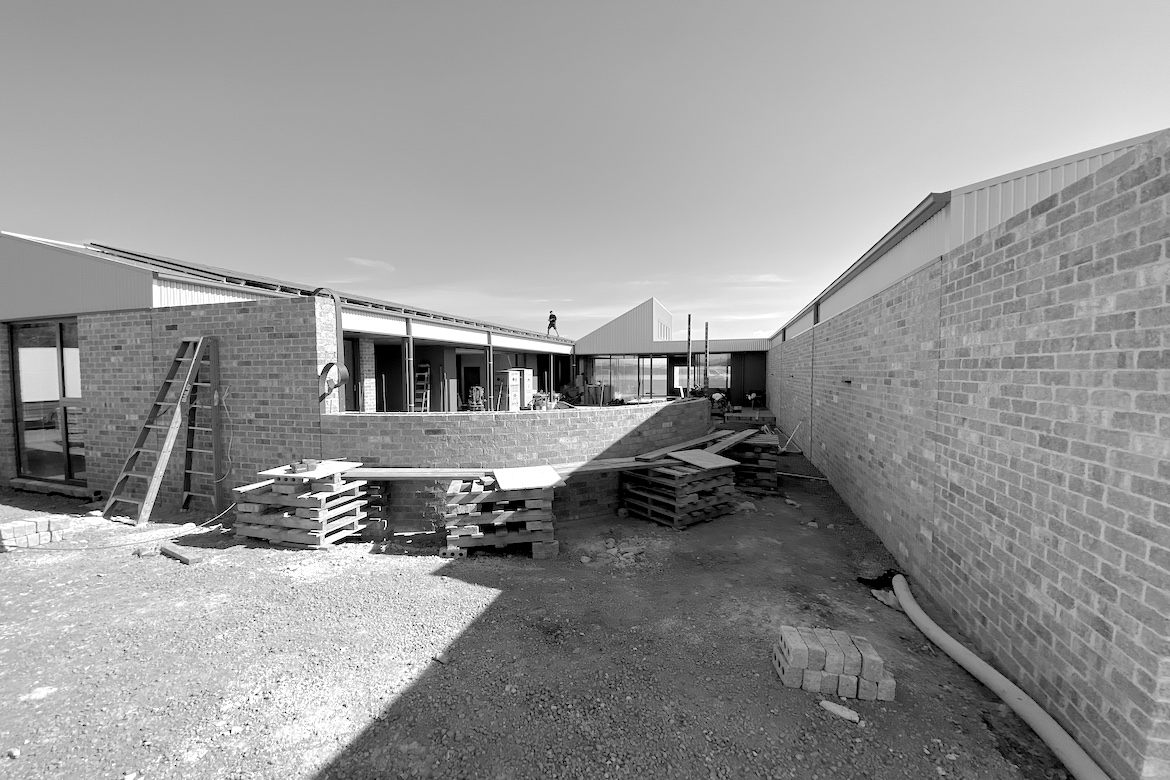
The rural home views to the summit of Mount Arthur nearby.
Set within an array of existing farm buildings, the house reinterprets some of their character and function.
Occupied – landscape phase.
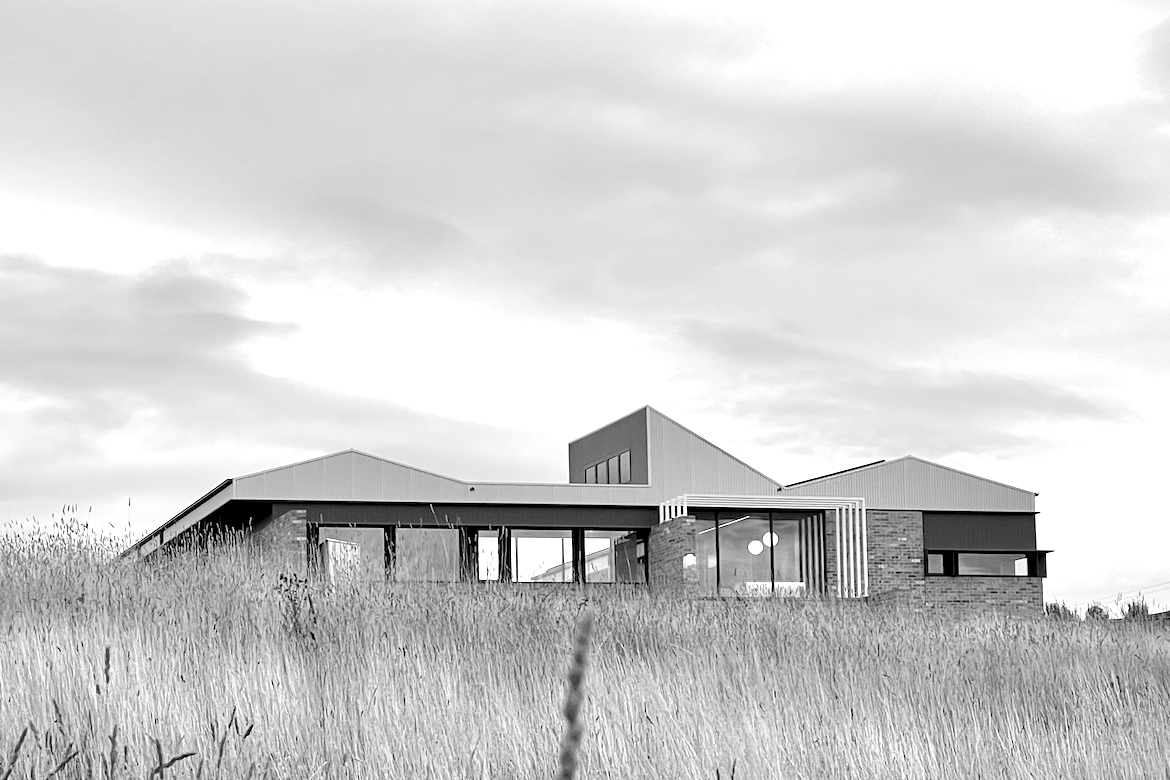
Mortimer Bay House
Southern Tasmania.
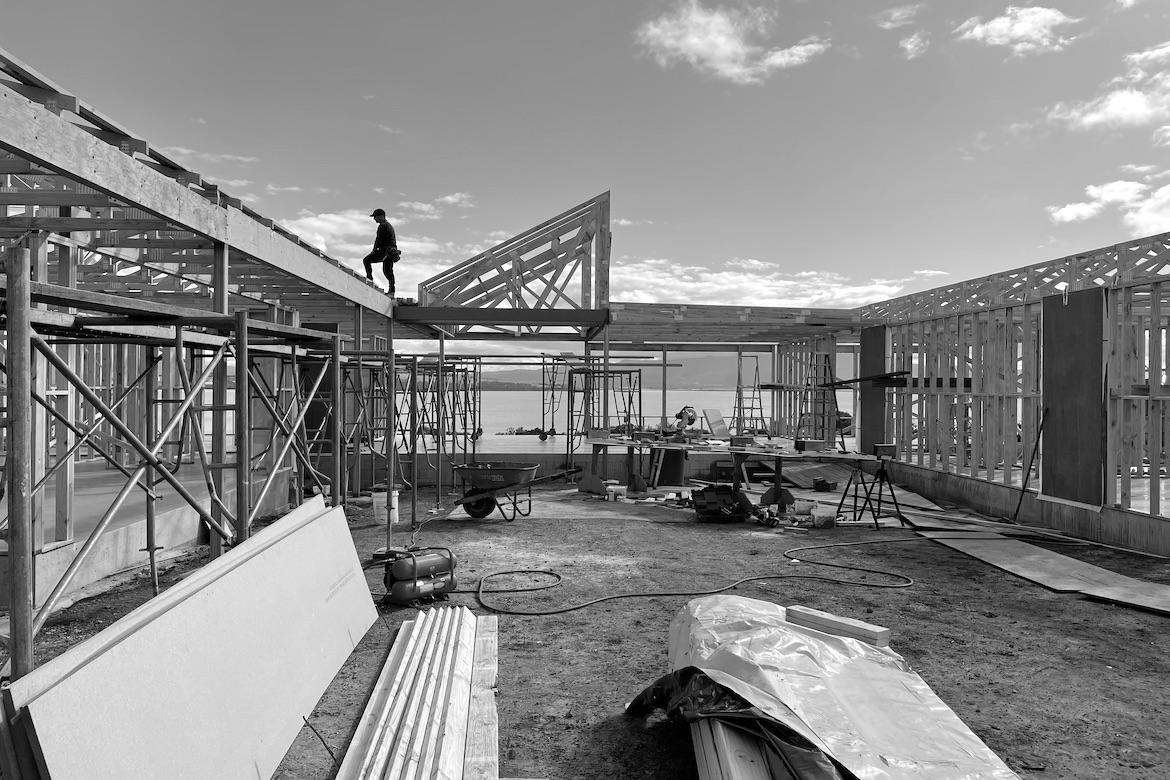
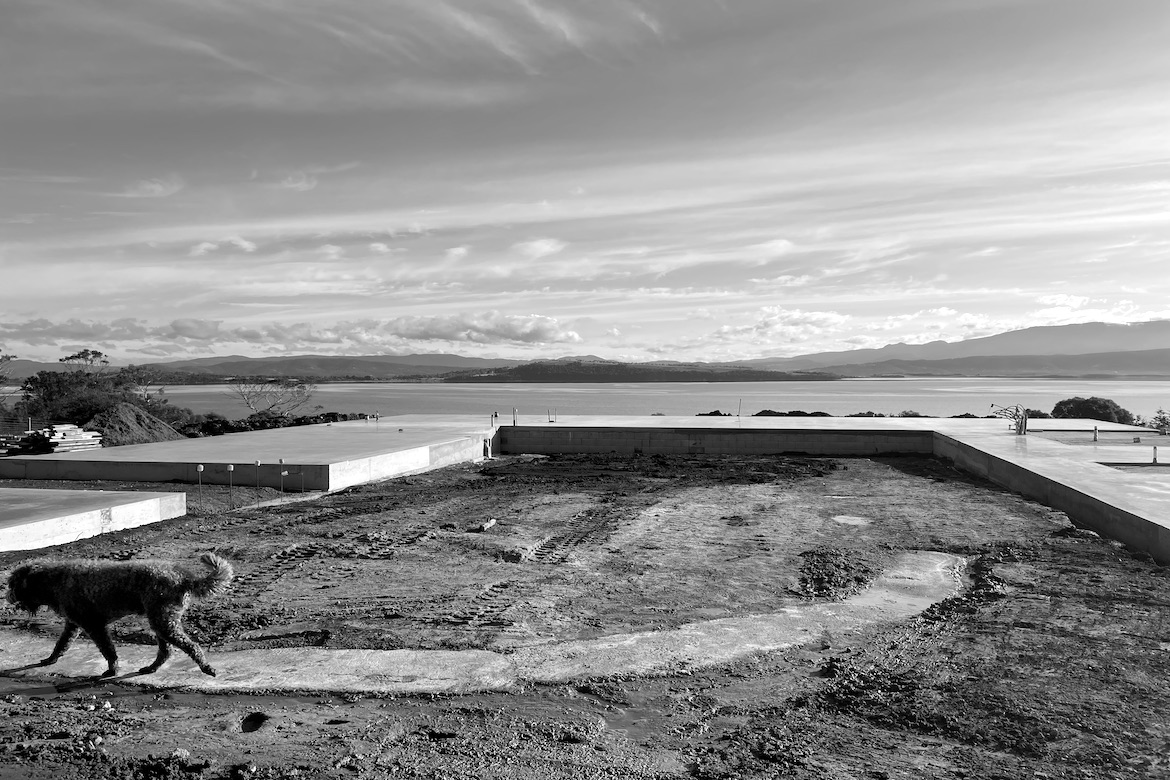
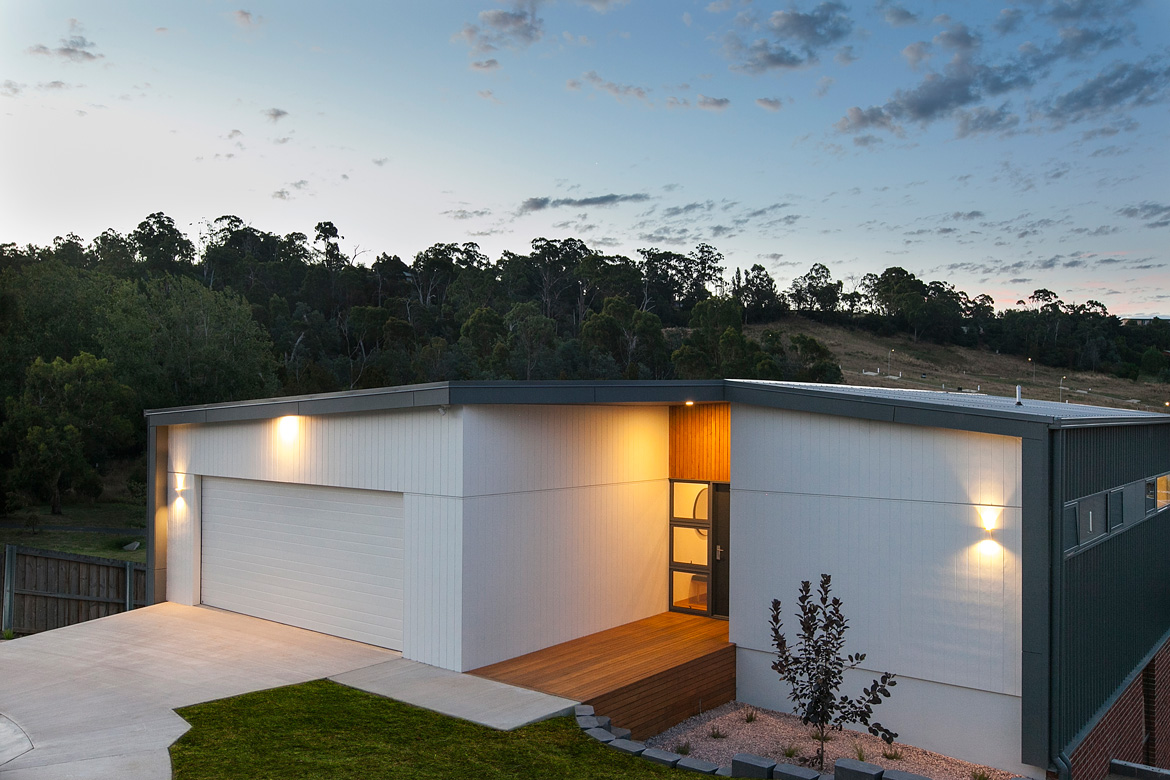
Set within a semi rural context, the home views to kunanyi / Mount Wellington.
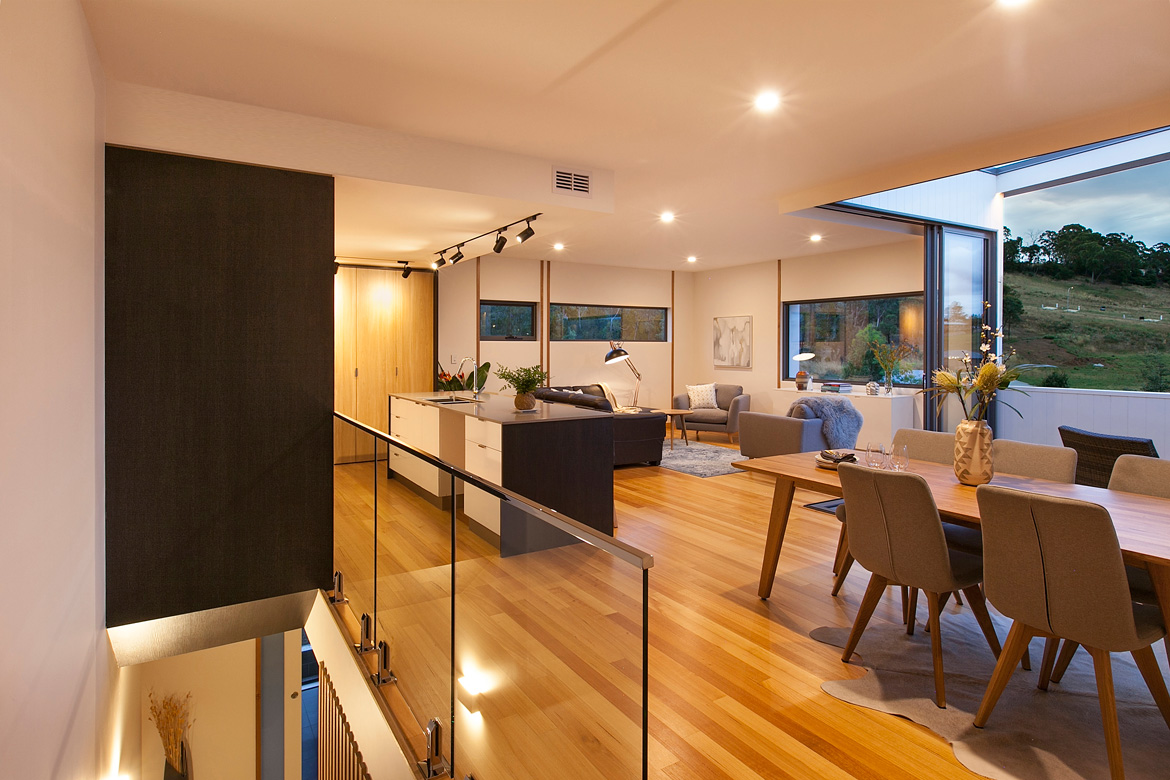
The built composition is an arrangement of familiar forms or motifs but with an underlying complexity in detail resolution and curating of spatial experience.
The conceptual framework is guided by exploring the ordinary and the extraordinary or the potential and tension that may lay between depending on one’s past experiences and subjective response.
Occupied – landscape phase.
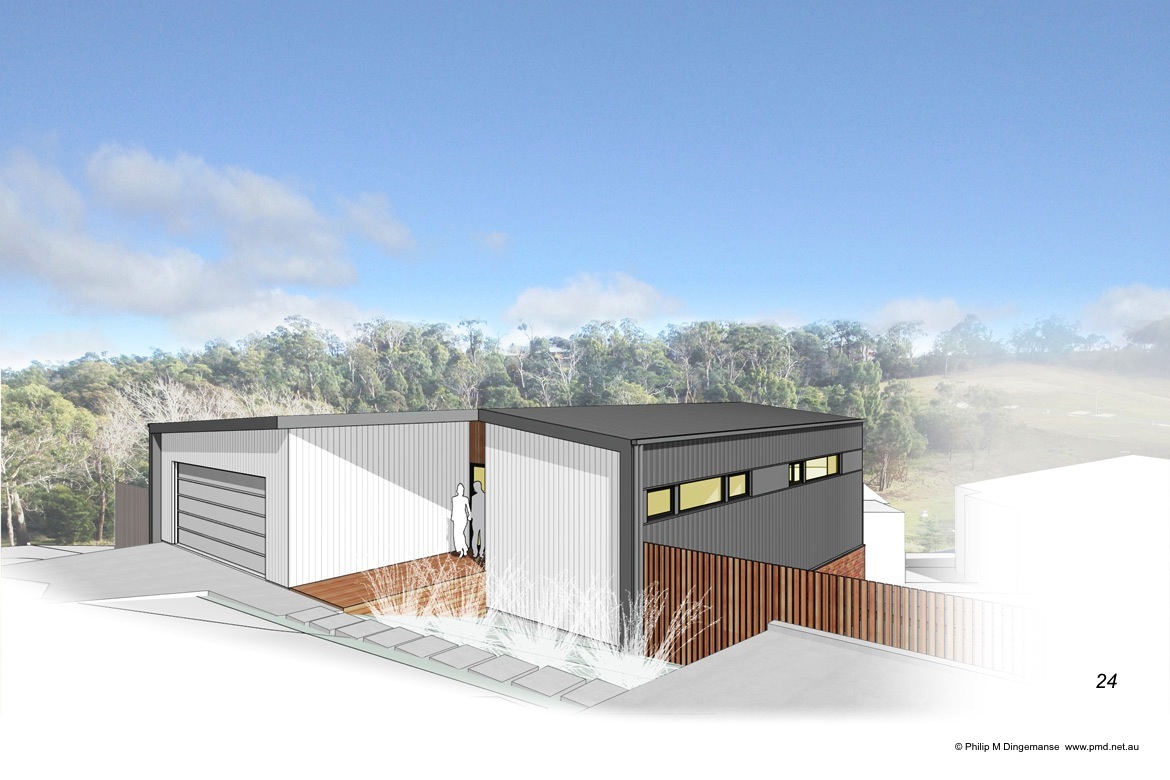
Eldonhurst Drive Precinct
Northern Tasmania.
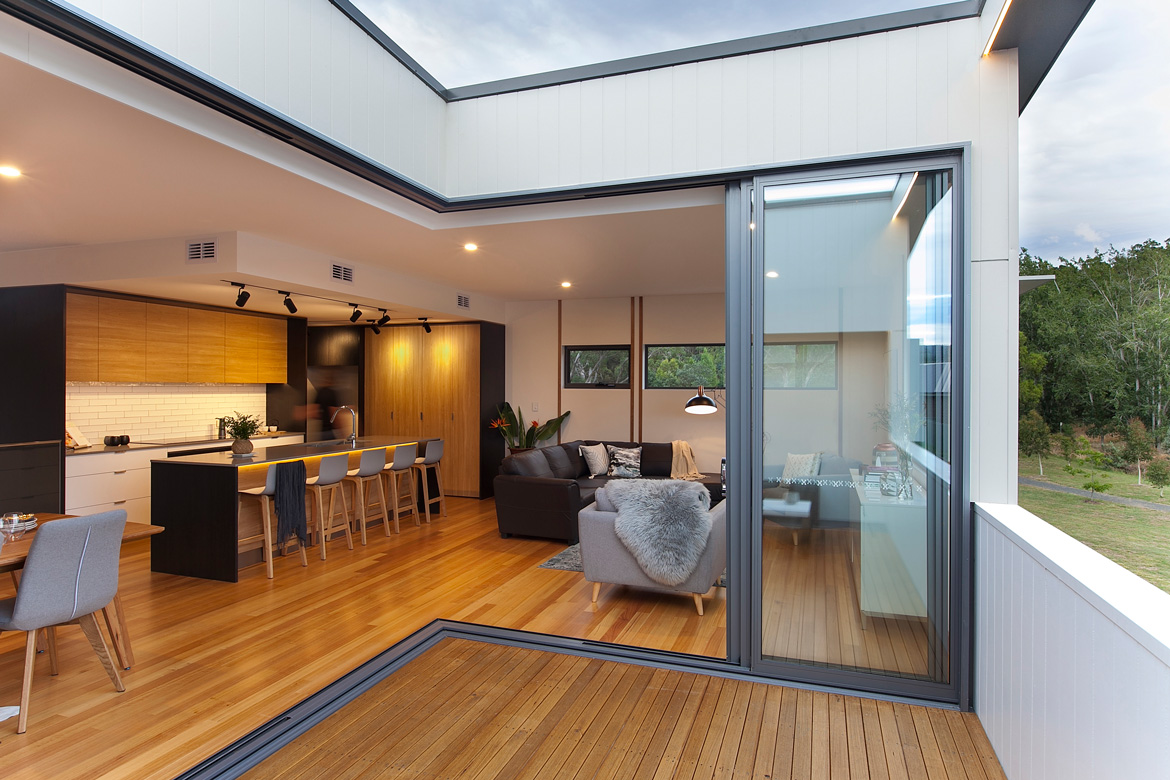
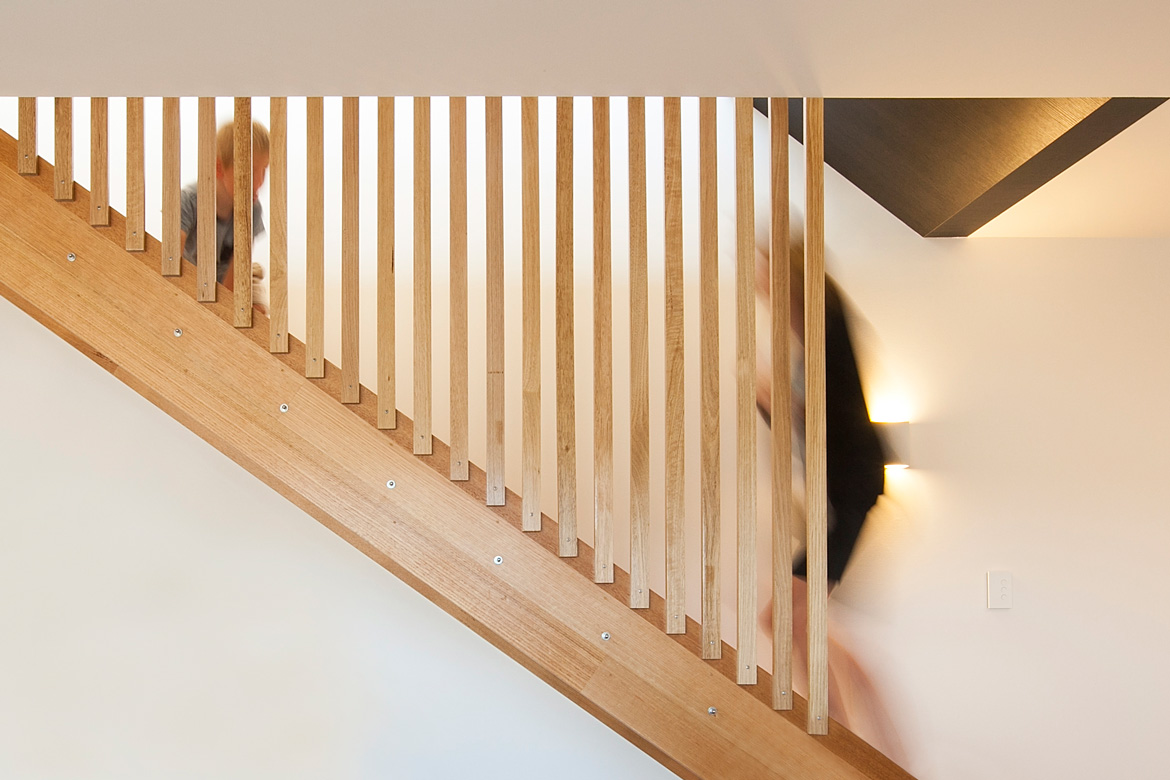
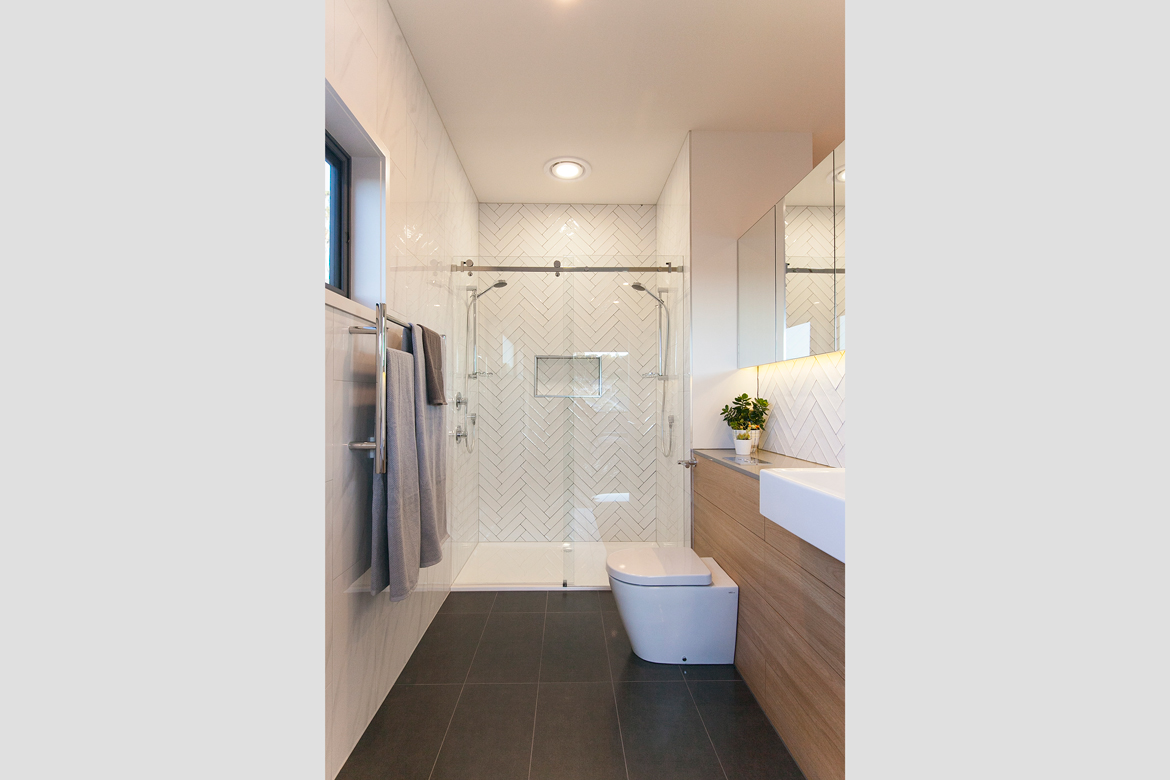
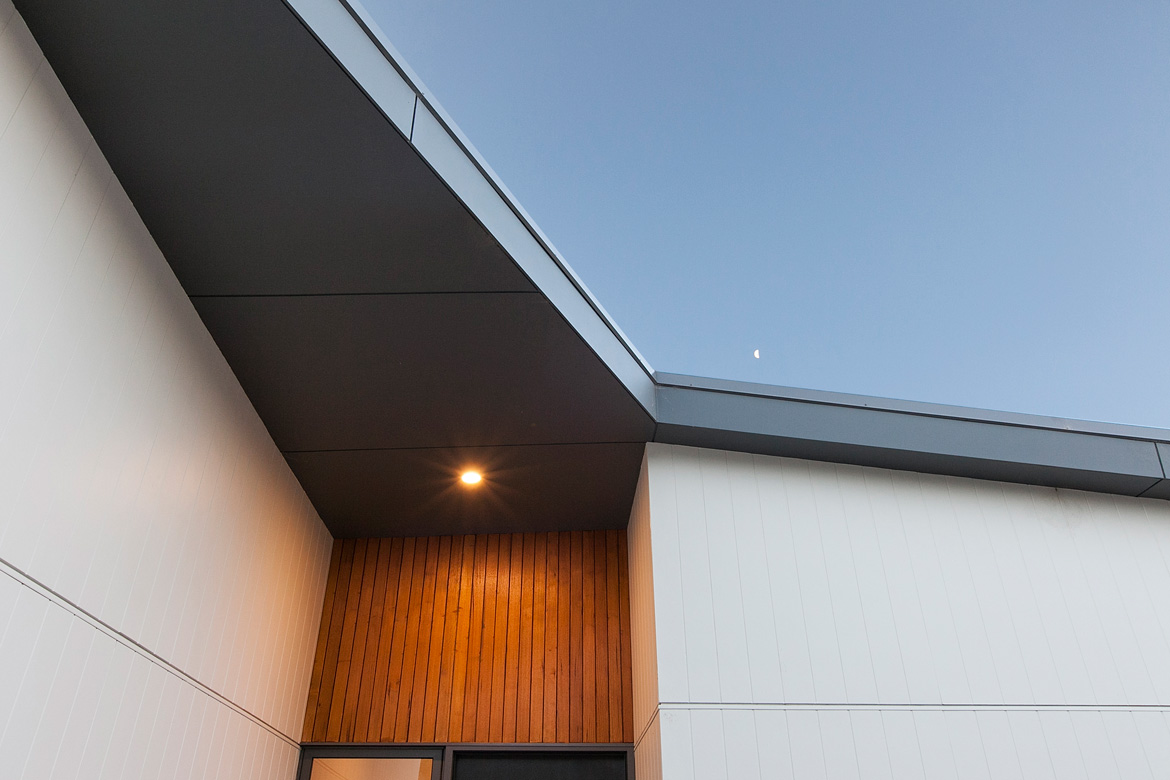
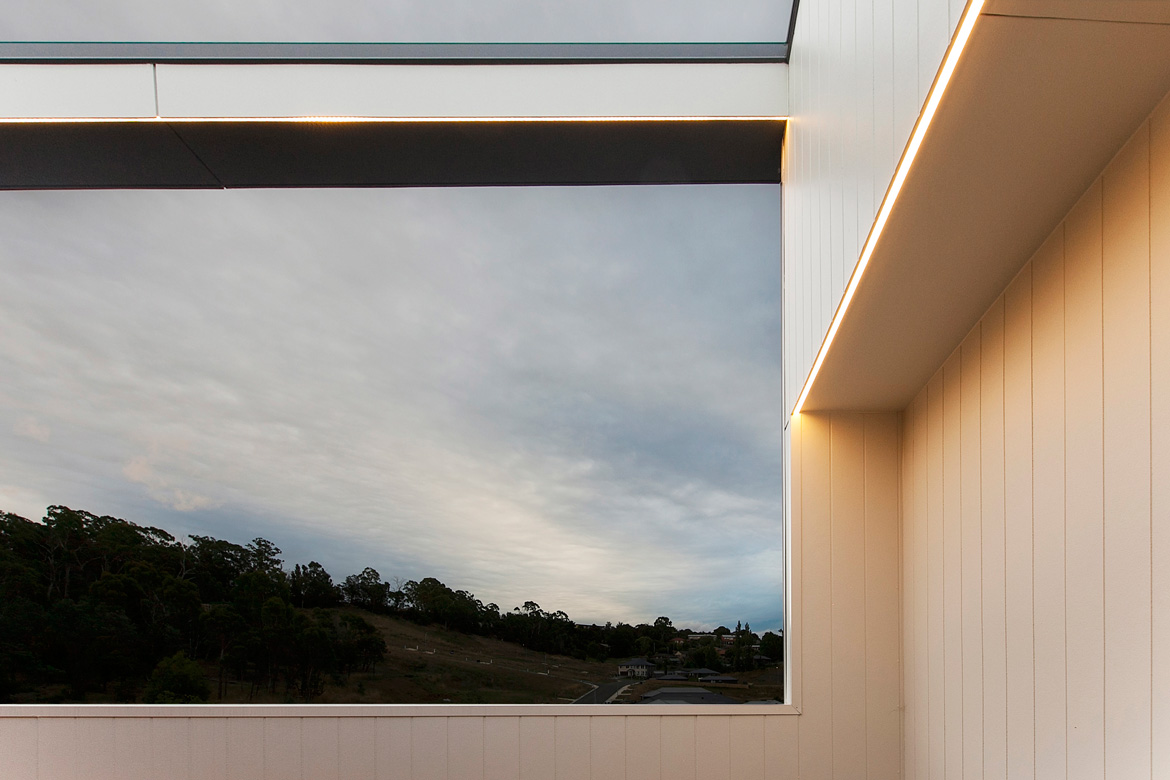
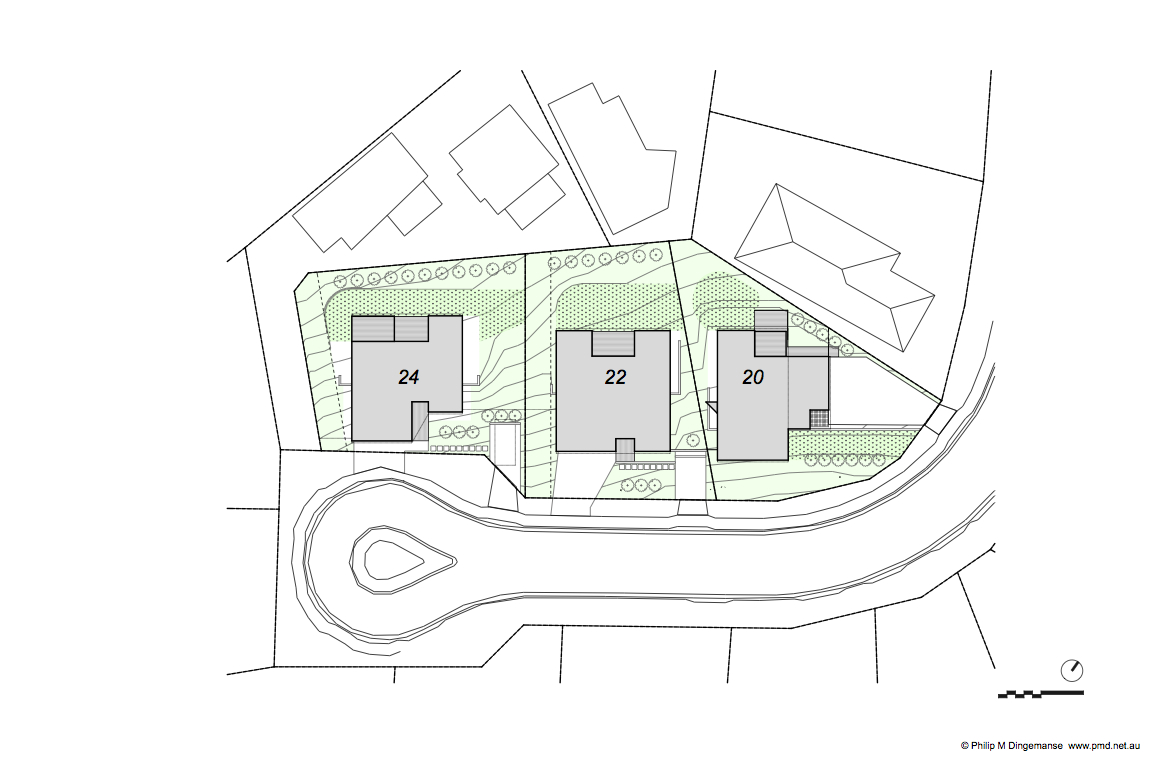
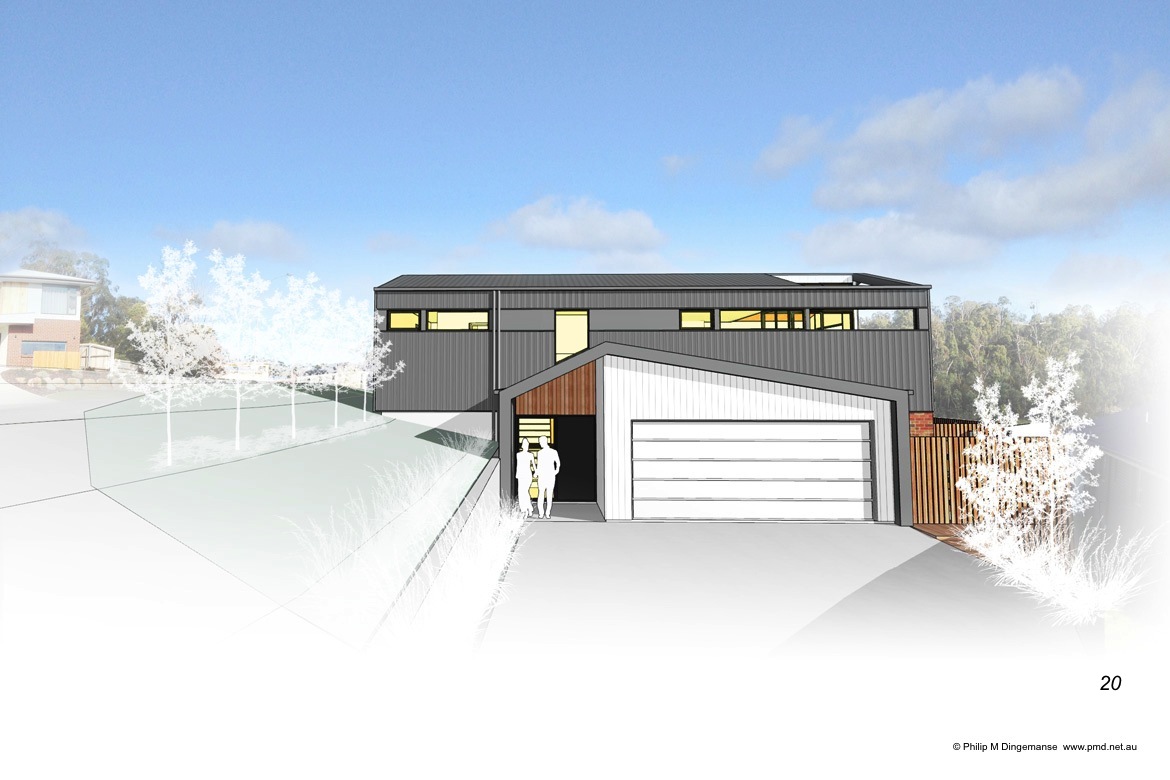
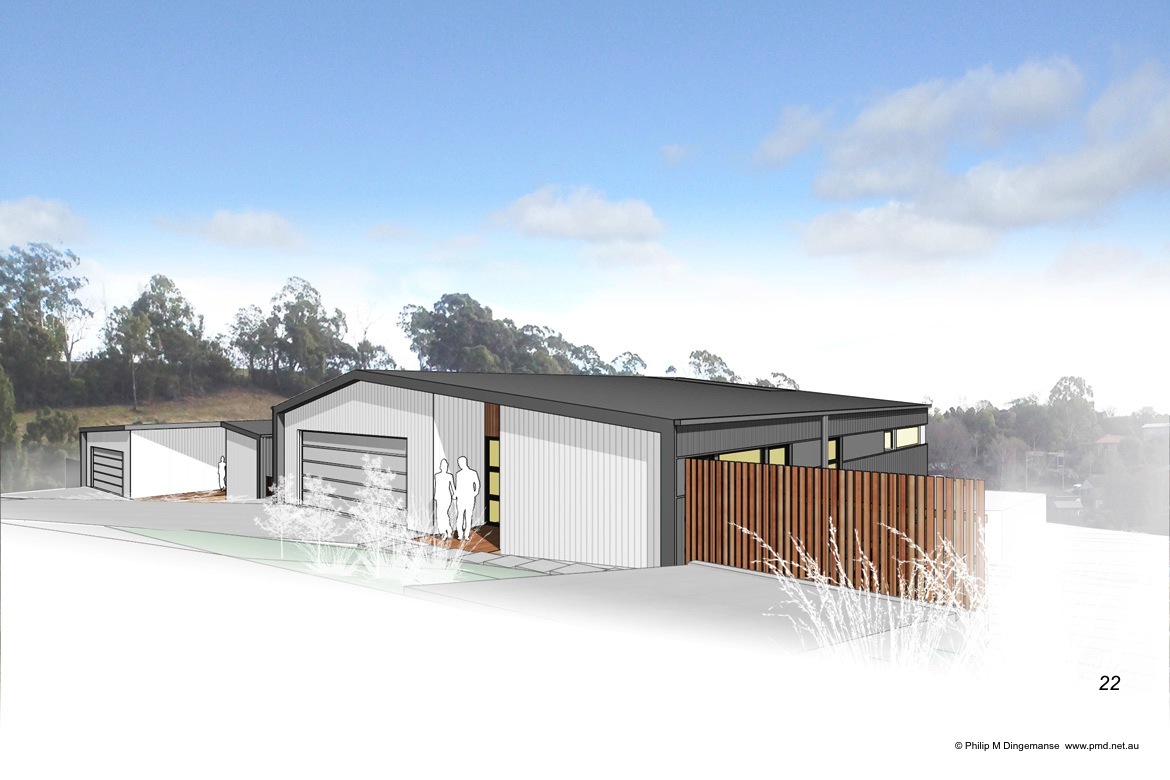
The generous four bed residences, each with two living areas and double vehicle garaging, are designed collectively. A common composition, material, and streetscape theme links the individual houses with a deliberately subtle but markedly different aesthetic approach compared to other new homes in the vicinity.
The homes carefully balance privacy with good solar access to create comfortable residences offering flexible and varied opportunities for entertaining and living. The light filled interiors are focussed around an outdoor room with full height corner opening glass doors that expand the living area seamlessly. The placement of openings allows views to trees of the nearby reserve as well as distant views to the north.
Tasmanian Oak timber detailing features throughout.
With restrictive access and significant slope (1:4) the schemes demonstrate how careful management of buildability, and the implications of designing for steep sites can contribute to exemplary solutions.
Photographer
Luke Hesketh
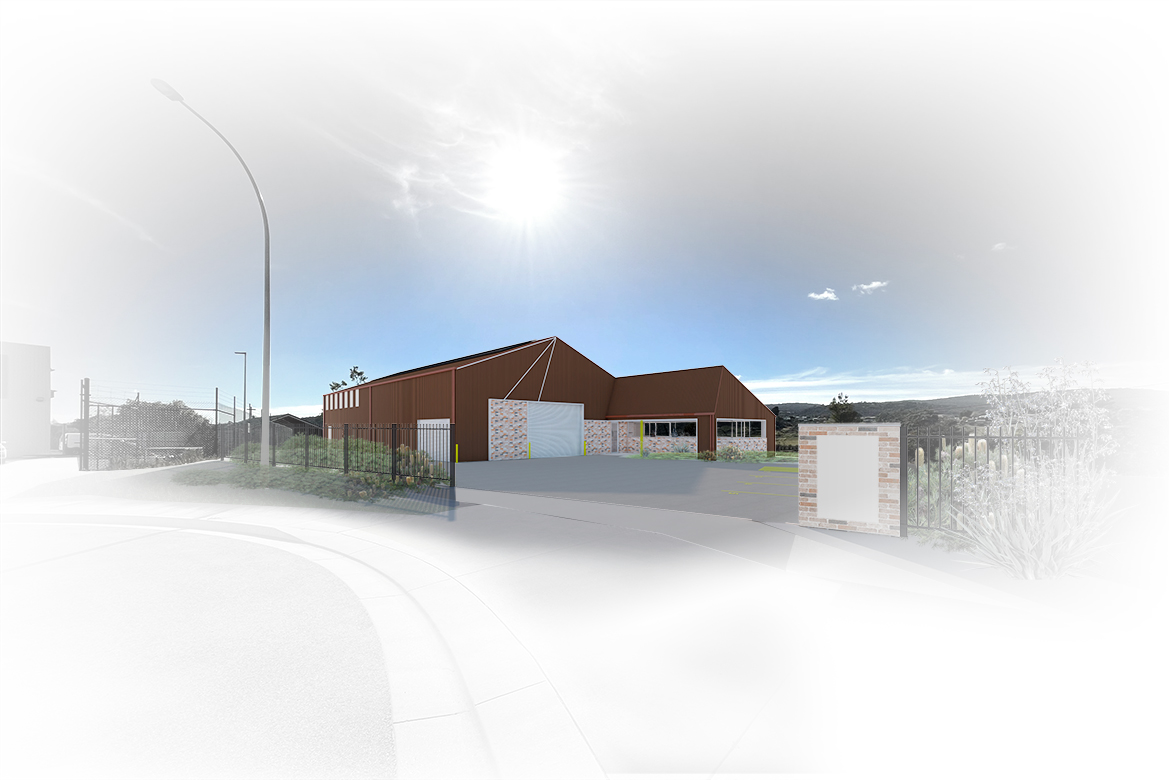
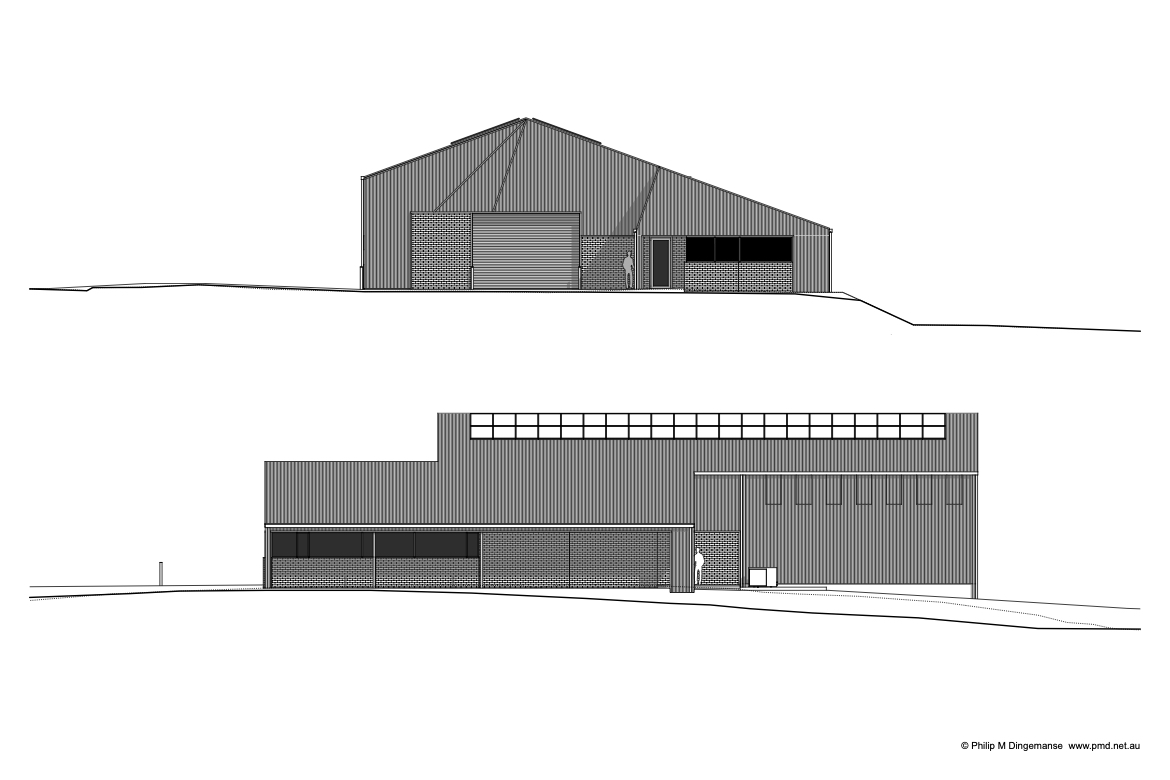
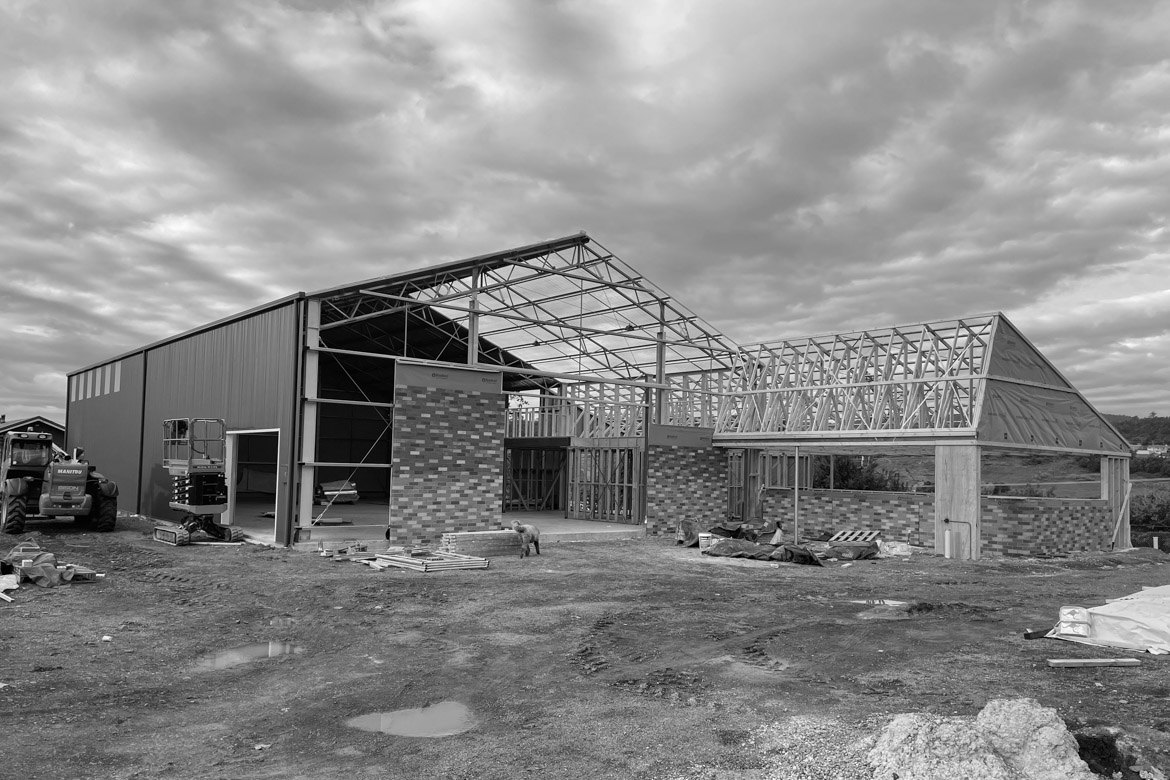
Kiln Court
Northern Tasmania.
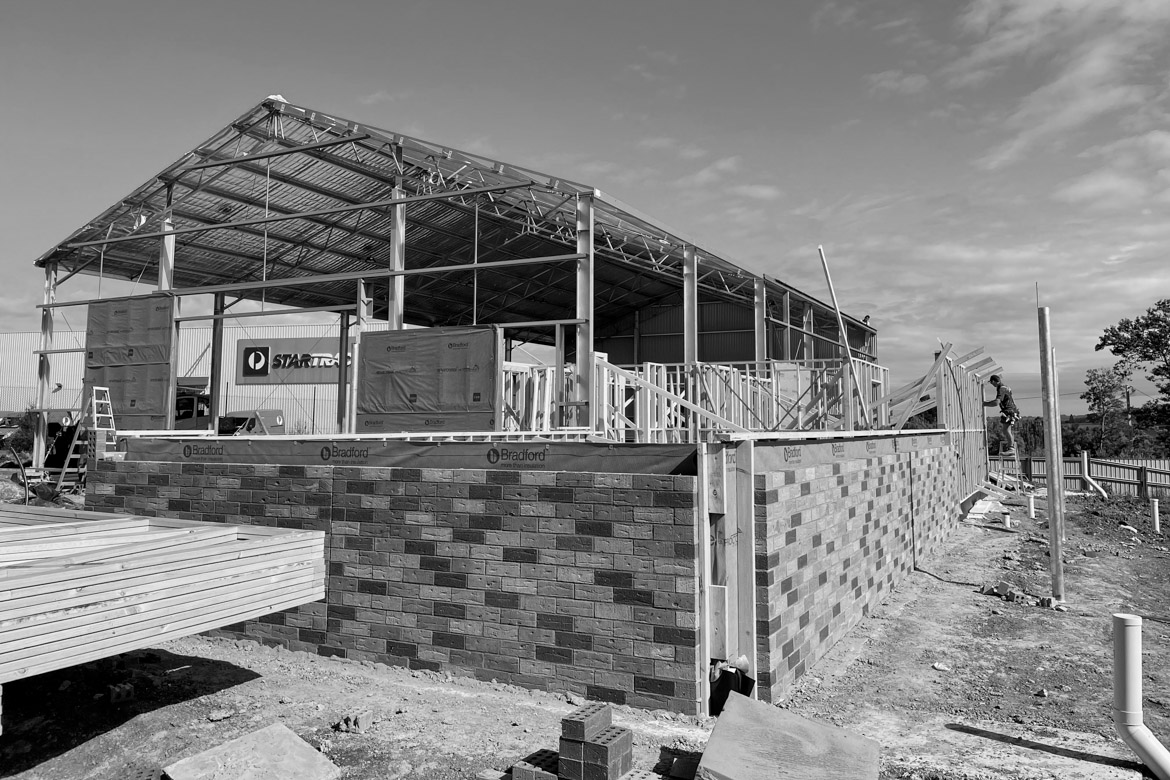
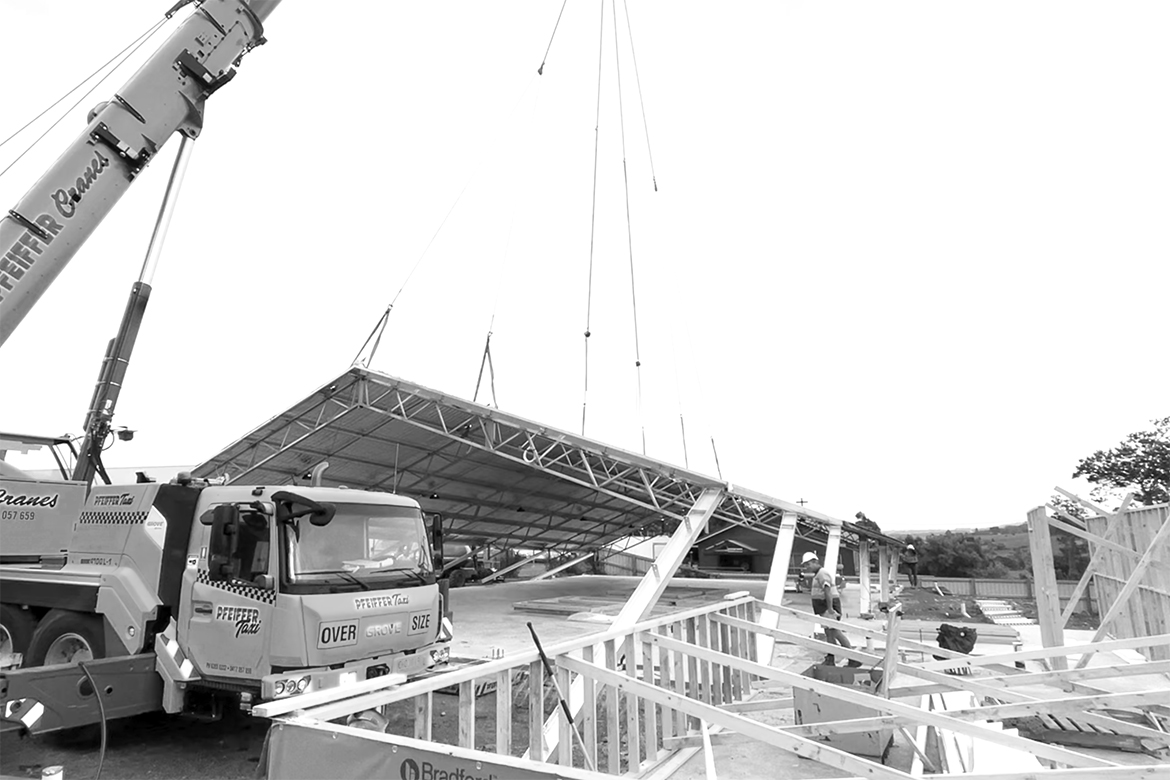
The light industrial building functions as the base of operation for a specialist electrical contractor in the solar photovoltaic industry.
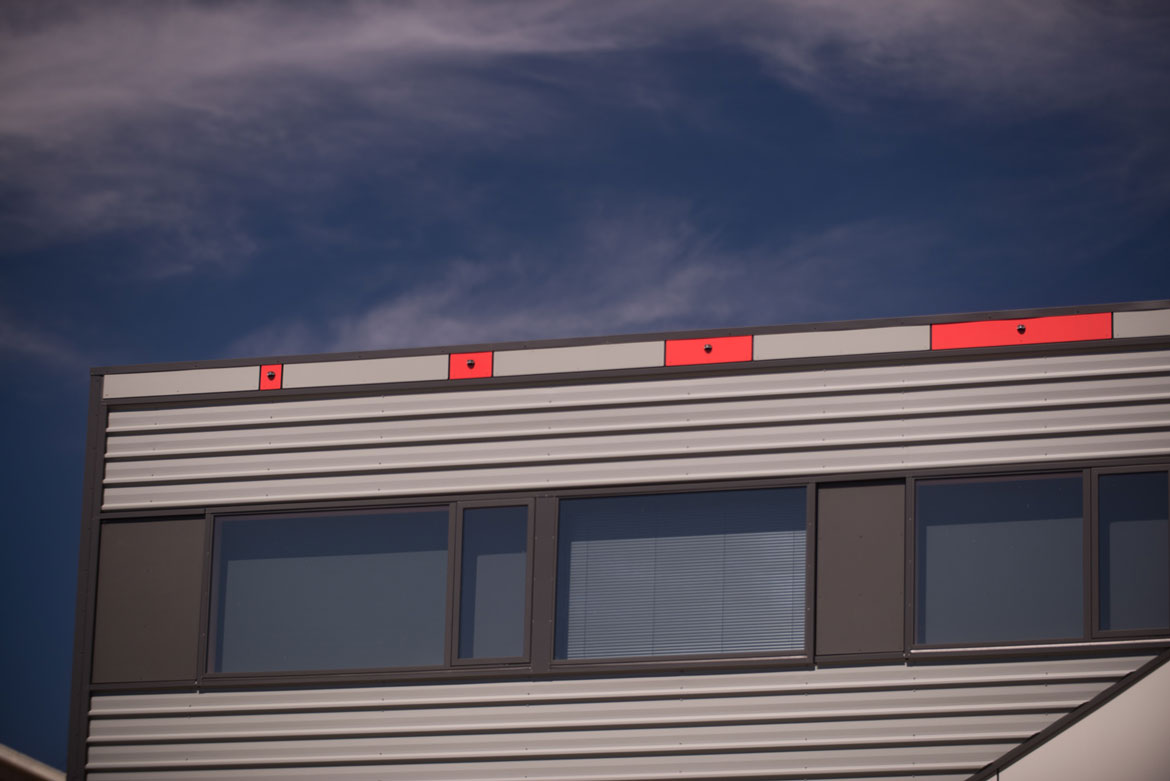
Though essentially a utilitarian corrugated iron shed with office attached, the composition, colour and material selections eschew those that are more commonly associated with the typology.
An abstract motif of sun angles is incorporated to the facade.
While fulfilling the functional requirements associated with small scale warehousing and storage, the built outcome is focused to expanding its potential as a workplace. The scheme incorporates a vegetable garden, area for gym equipment, bicycle parking and shower facilities.
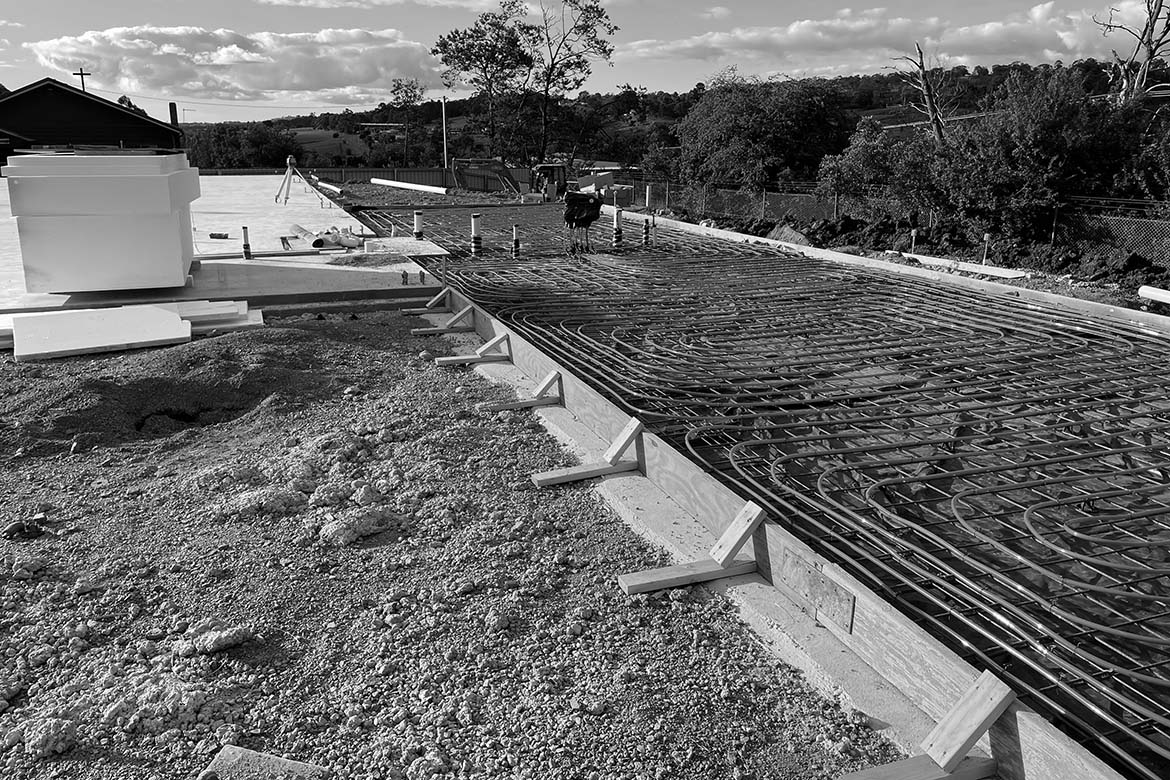
Hydronic floor heating is installed to the office area and provision is made for electric vehicle charging.
Occupied – landscape phase.
Distillery Creek House
Northern Tasmania.
Rural residence.
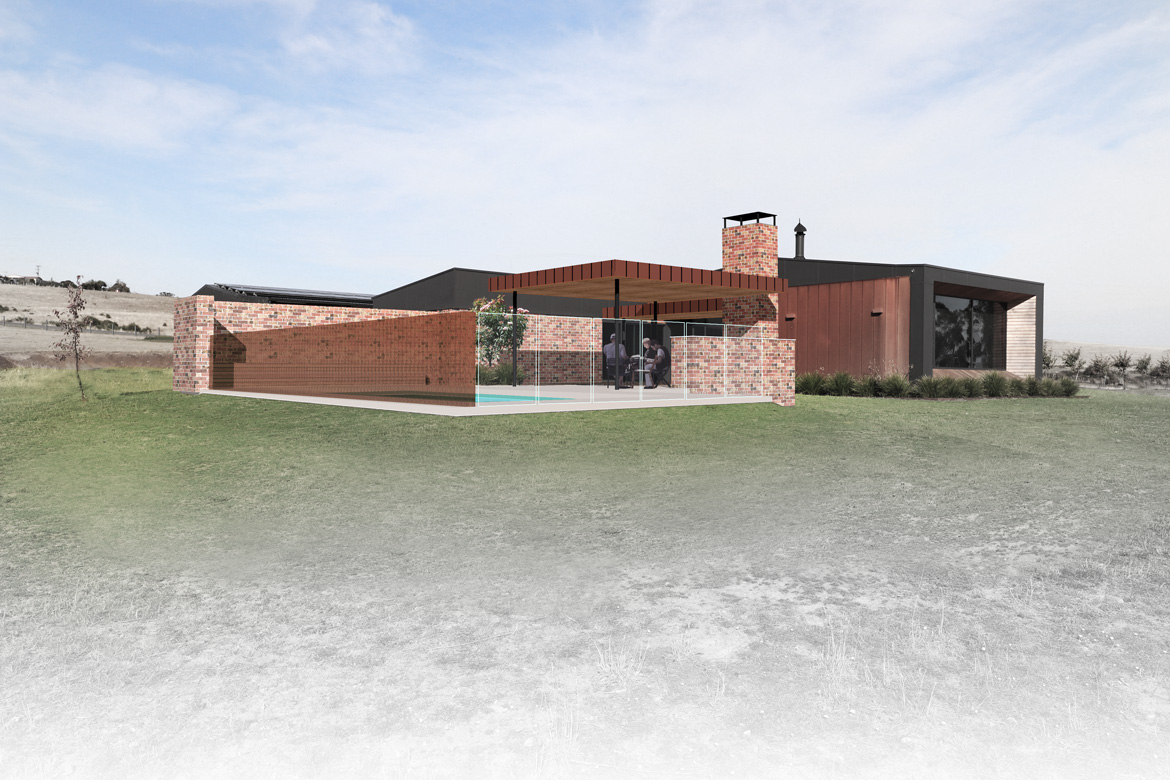
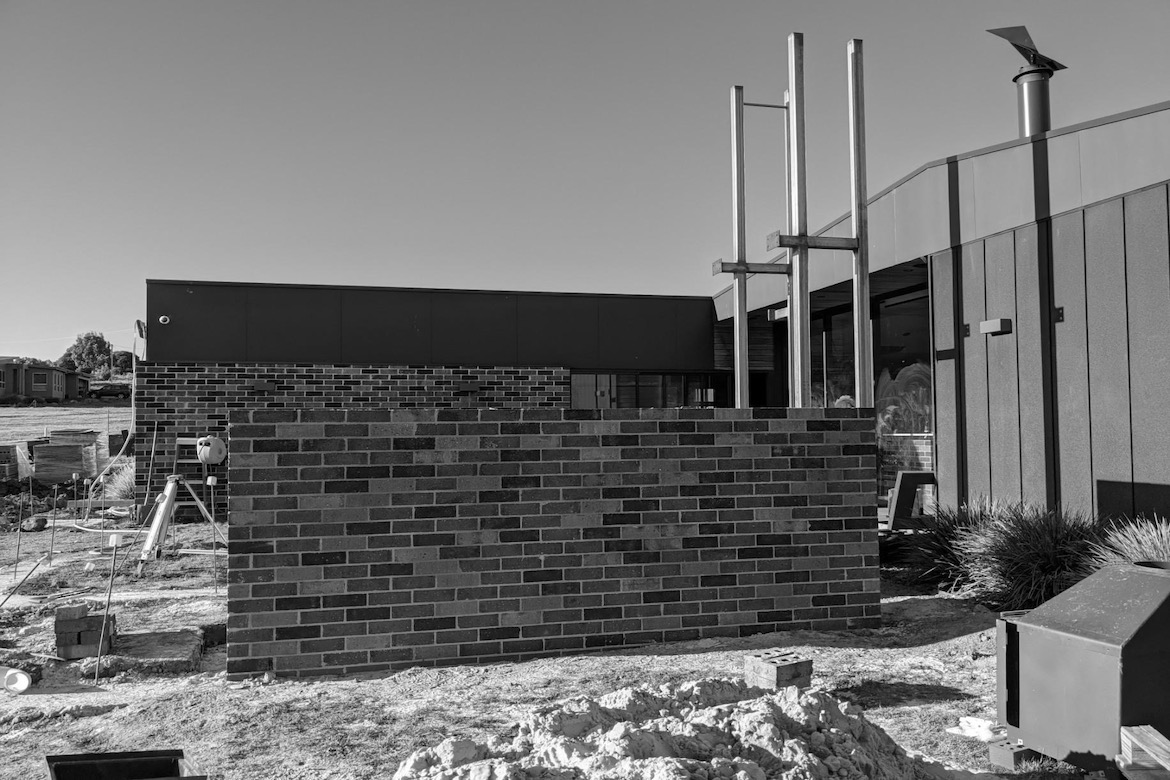
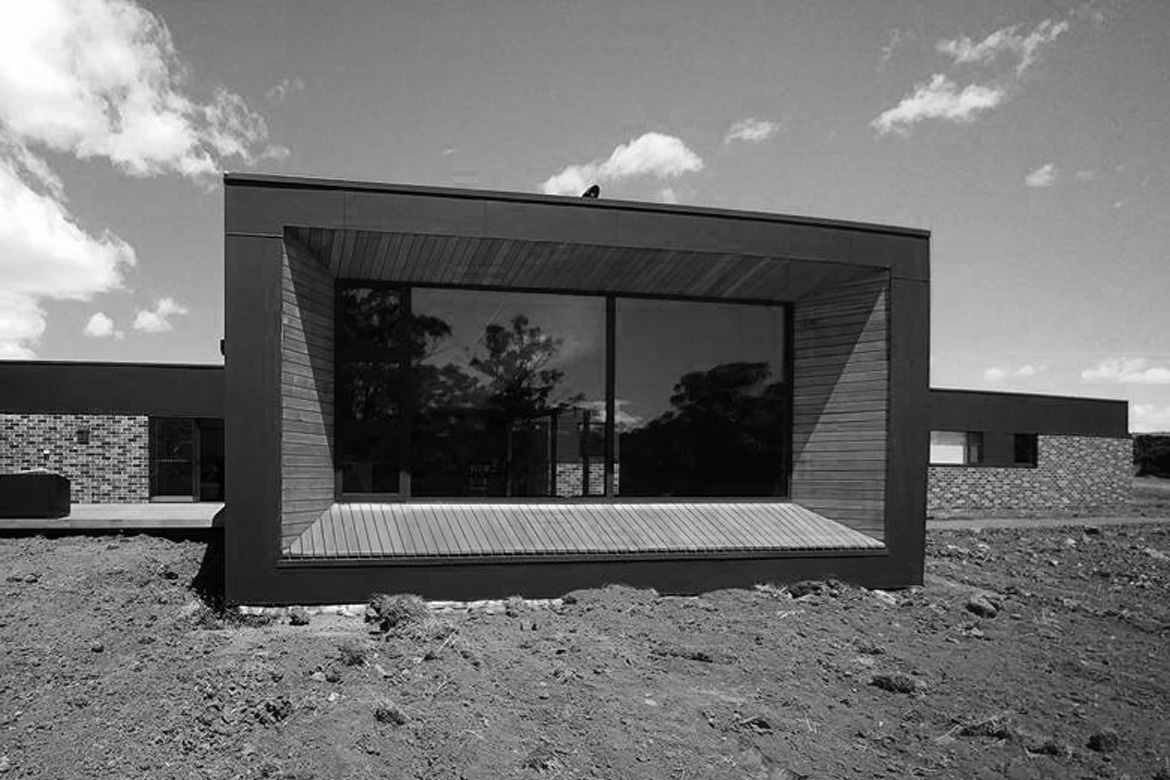
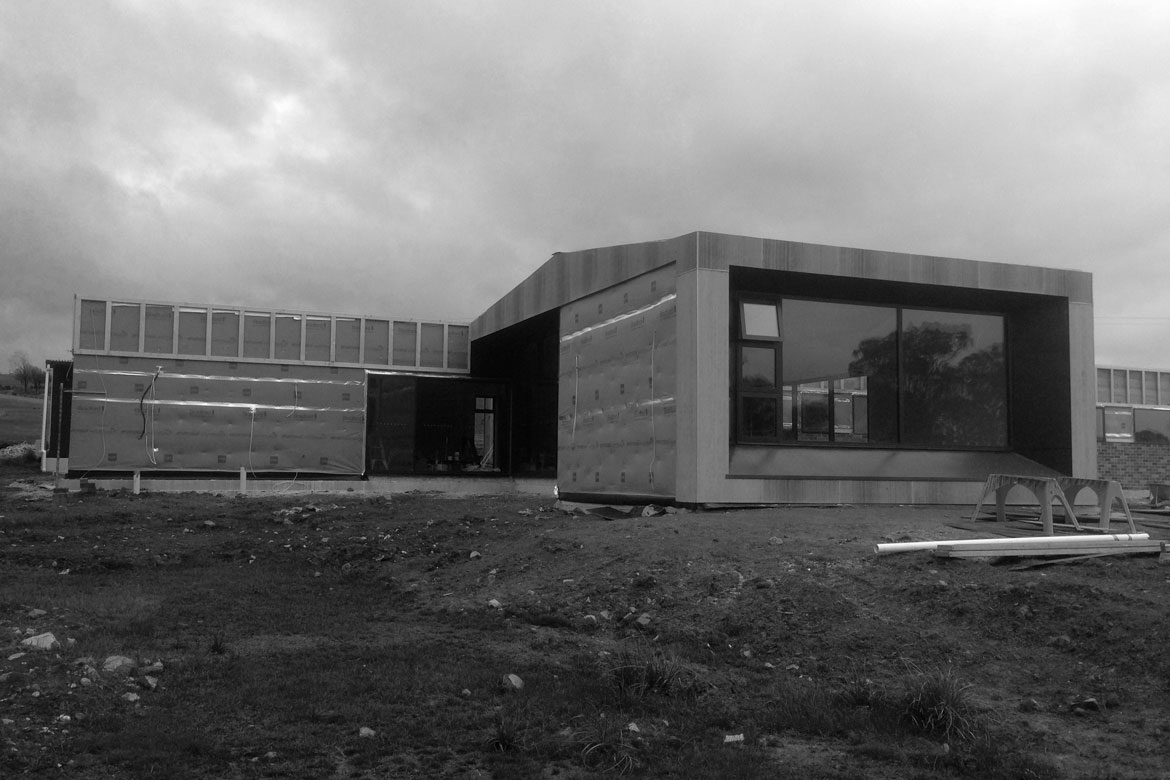
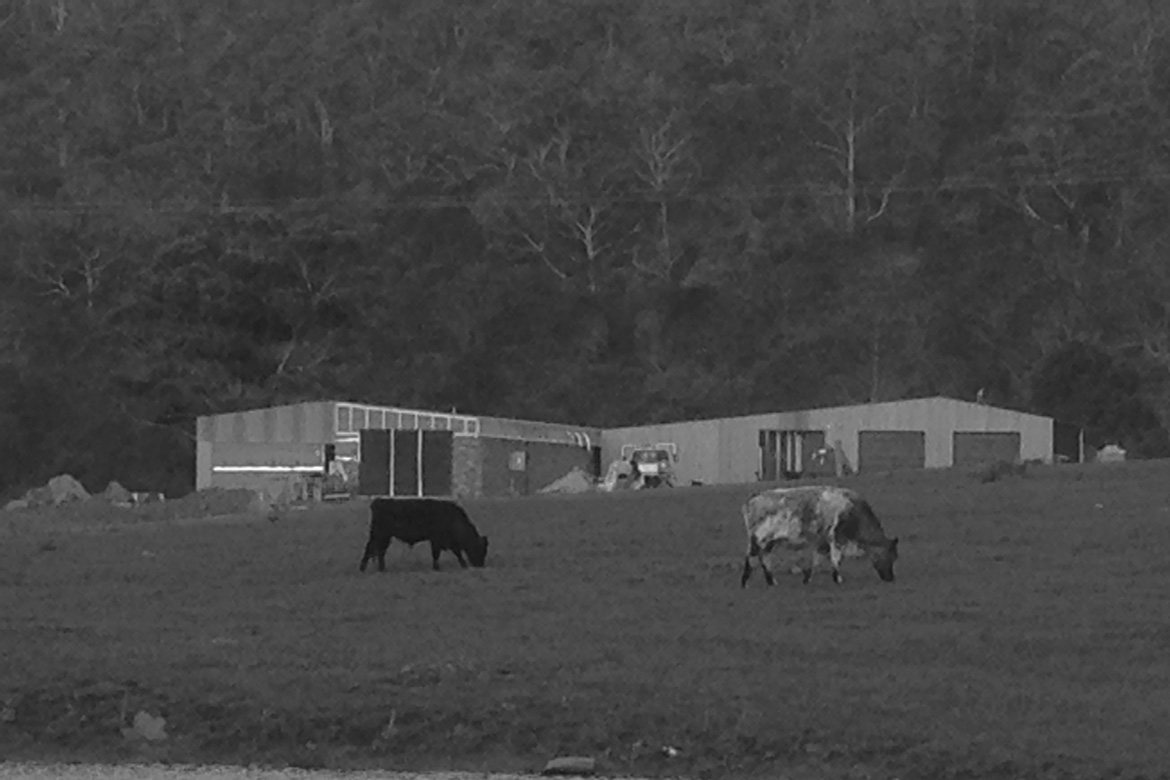
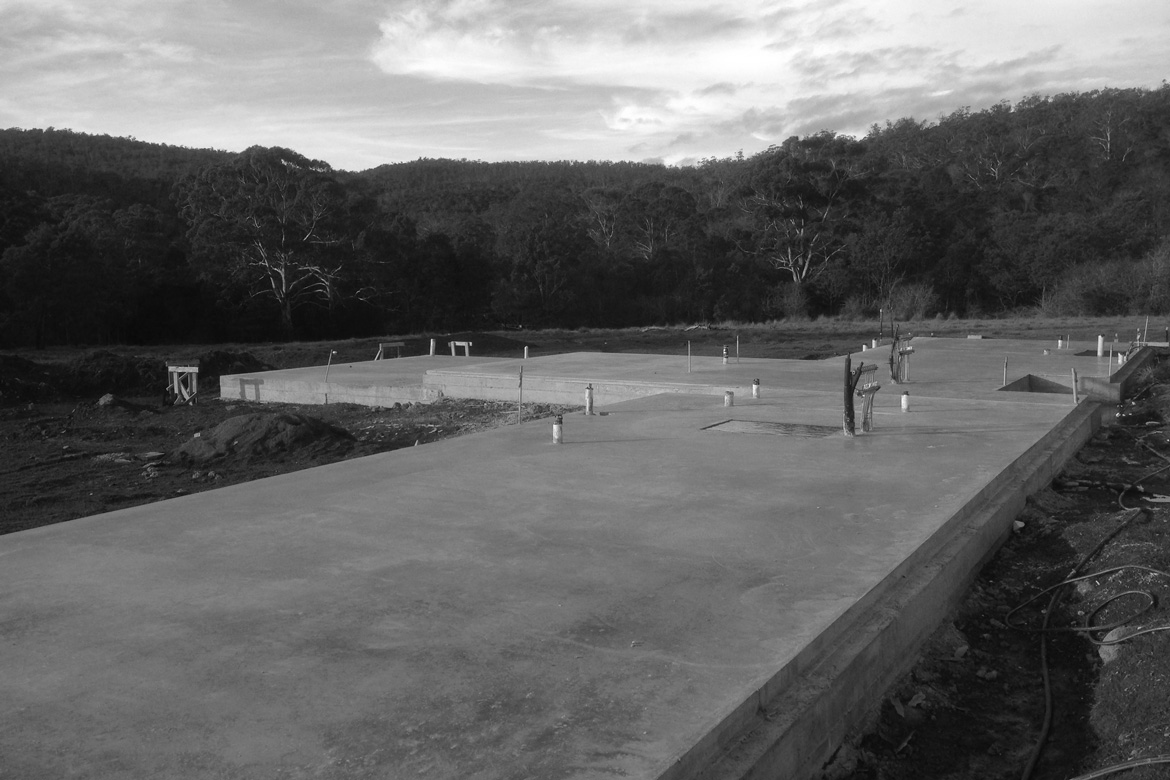
Located on a large rural lot, the moderating of the relationship between the residence and a proprietary 12m x 13m workshop drives the design response.
Further, form-making cues are derived from the workshop, and a fenced work court unifies the buildings.
The lineal house arrangement separates the workshop from the primary approach.
Stage 2 incorporates an outdoor kitchen, living area and pool.
Occupied – landscape phase.
Park House
Northern Tasmania.
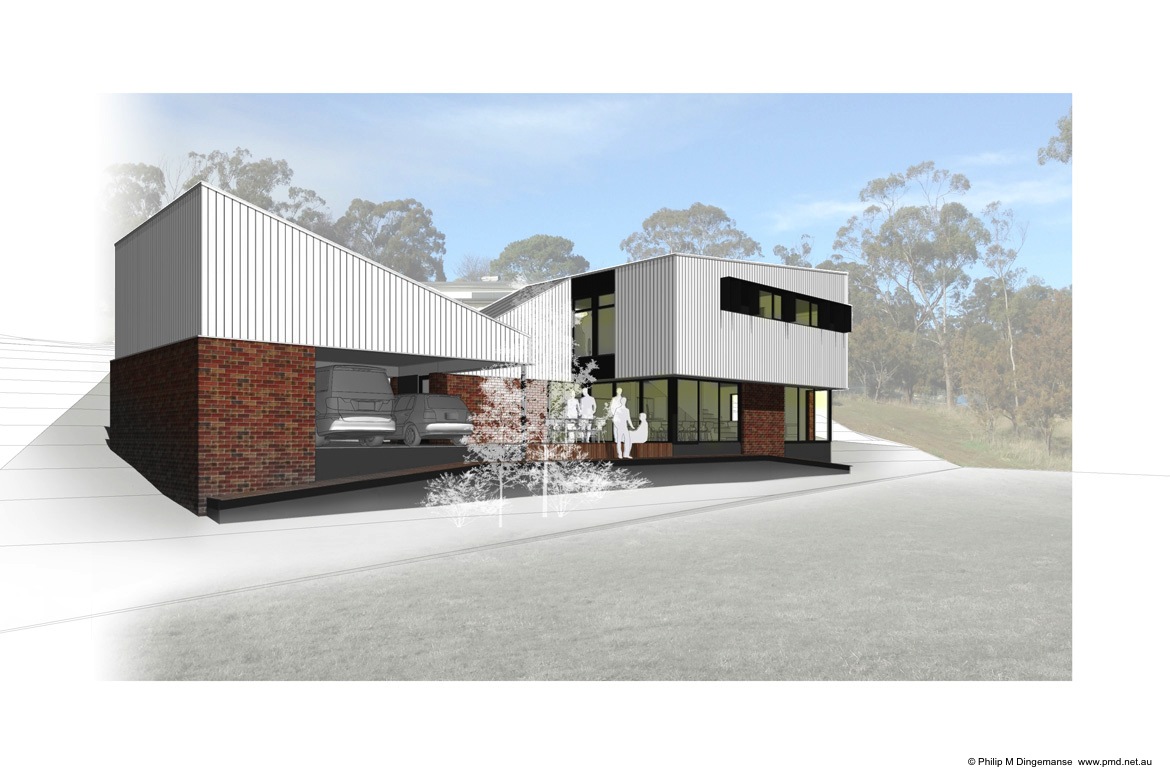
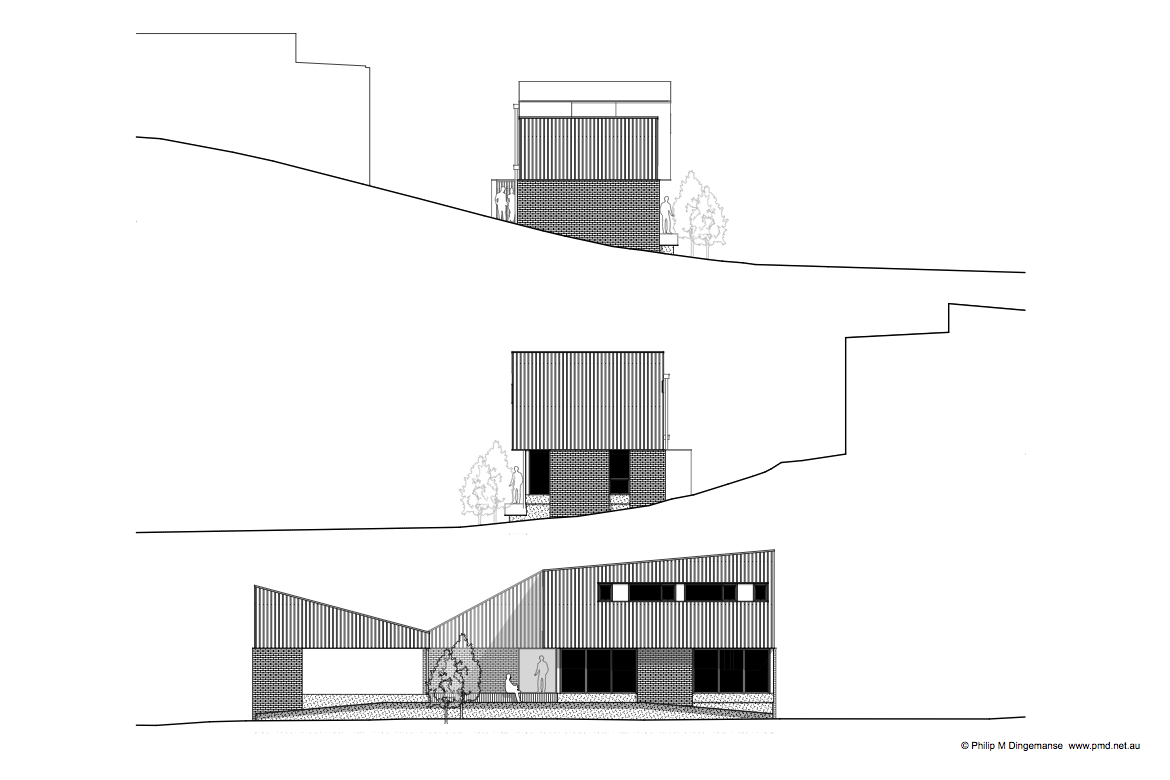
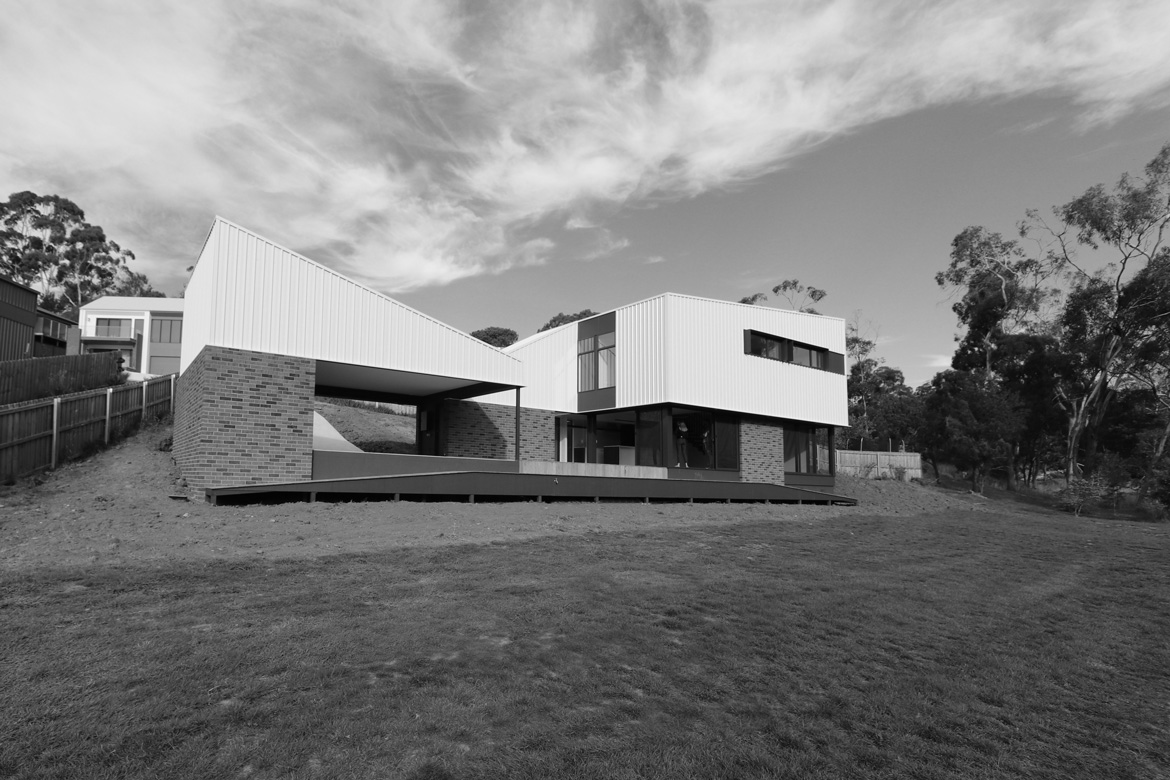
Located adjacent a nature reserve, the Park House is sited to amplify the immediacy of this “endless backyard”.
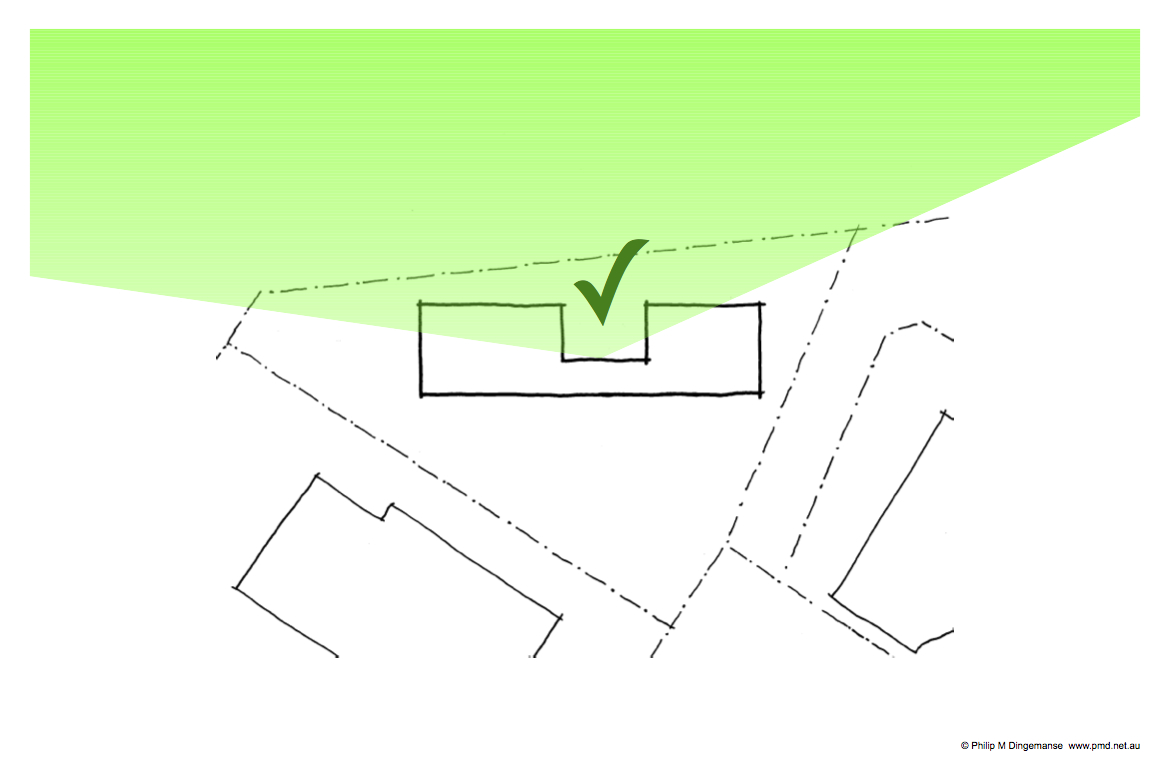
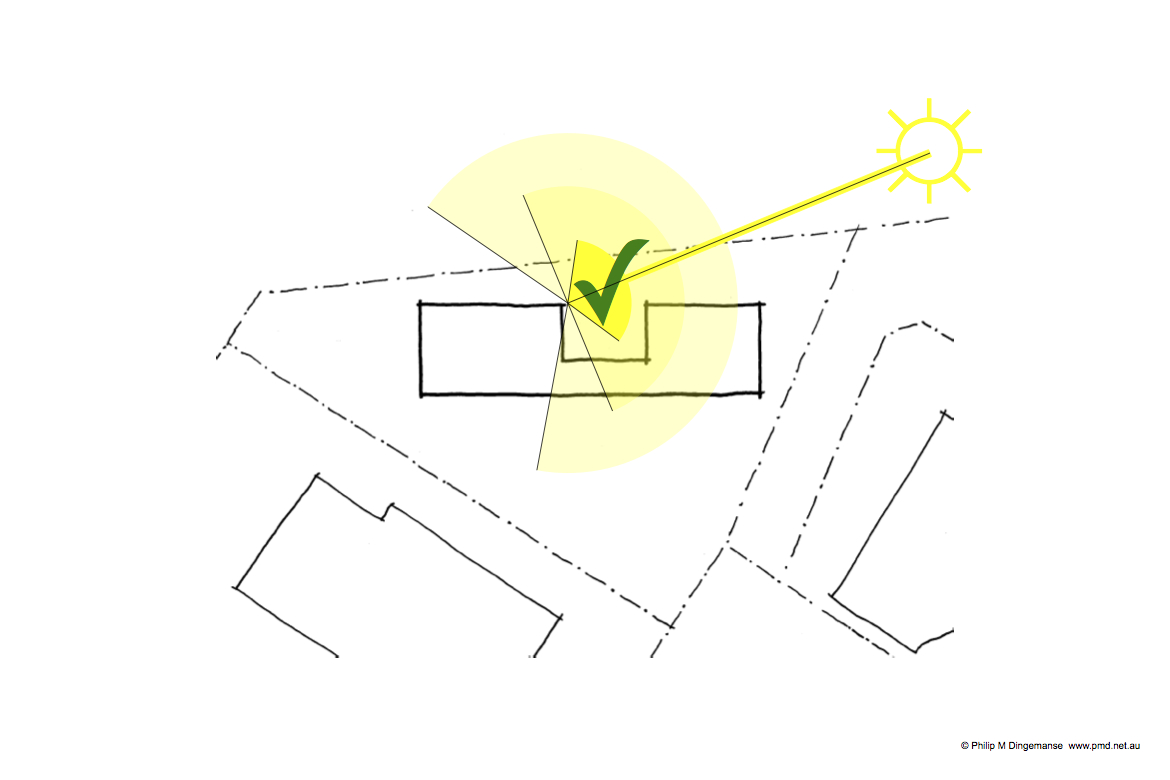
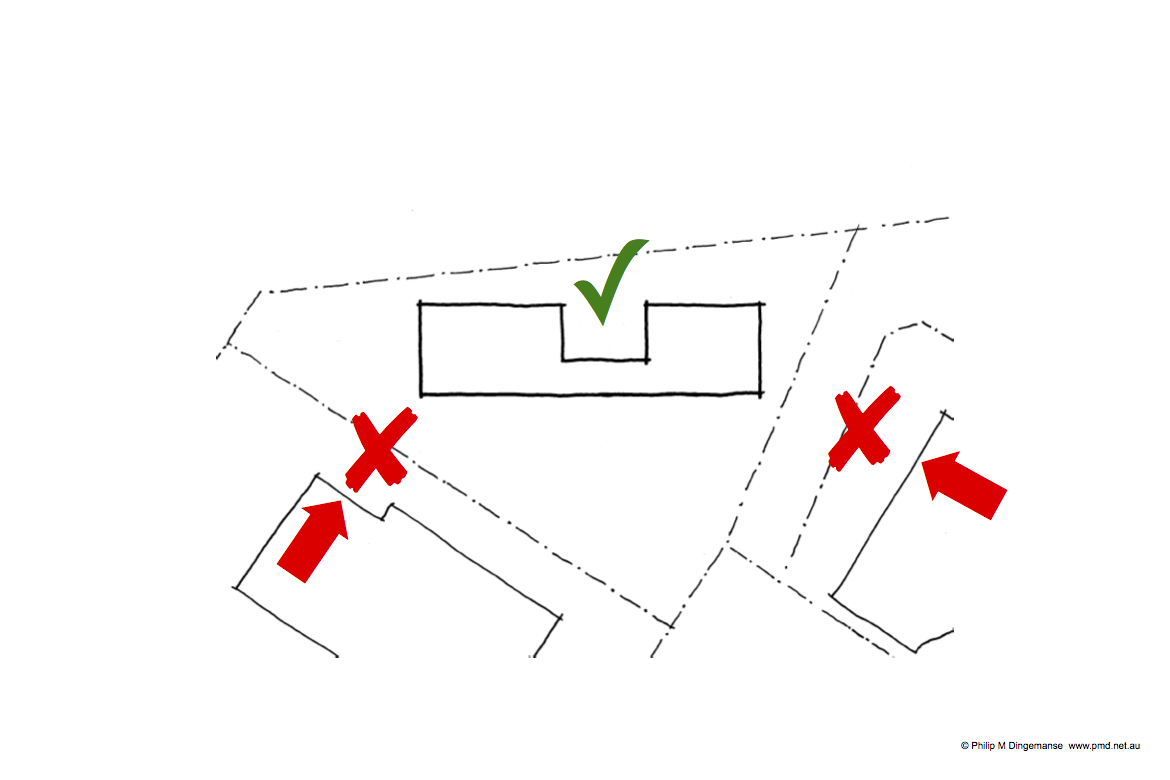
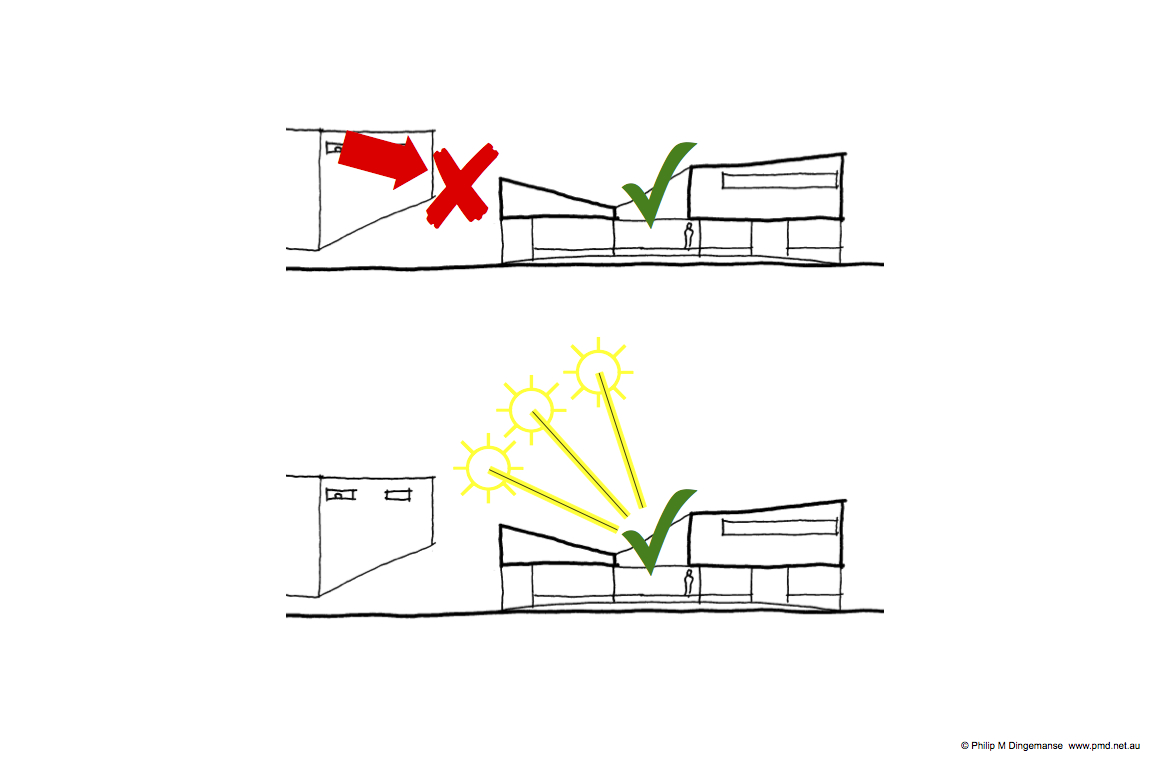
The formal arrangement manages overlooking from adjacent neighbours above, solar access and shading while drawing the park into the protective outdoor living area.
Occupied – landscape phase.
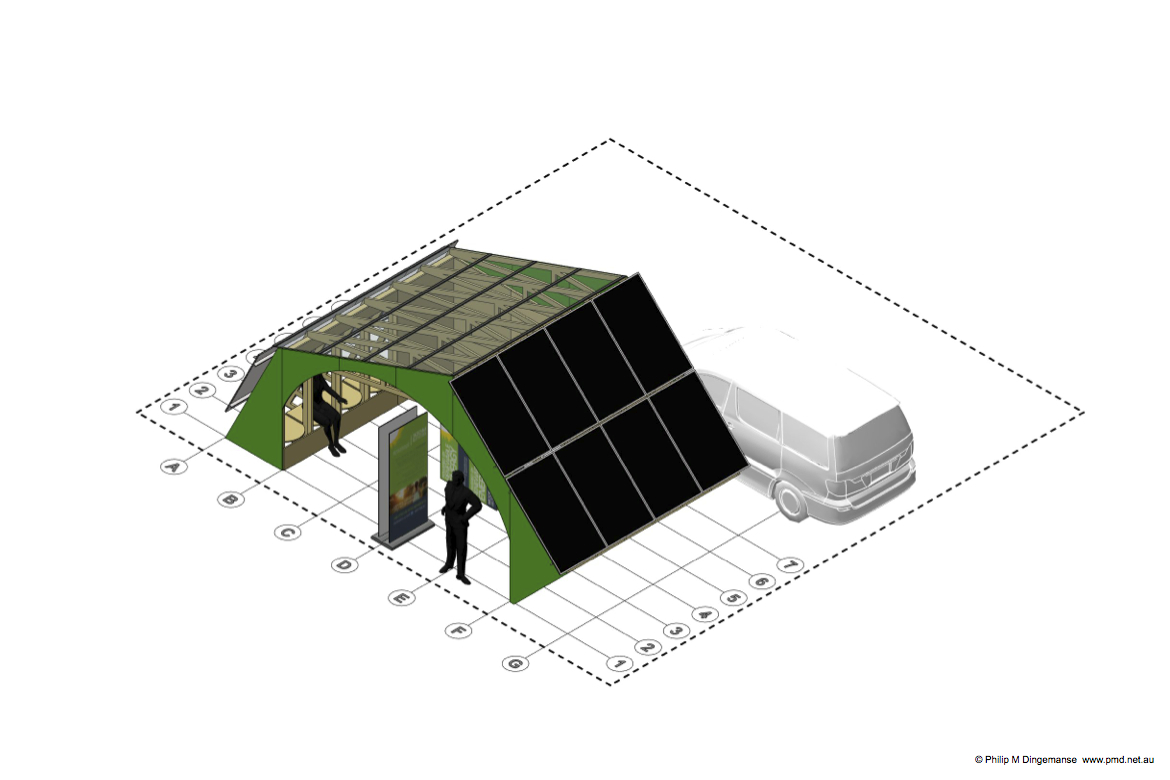
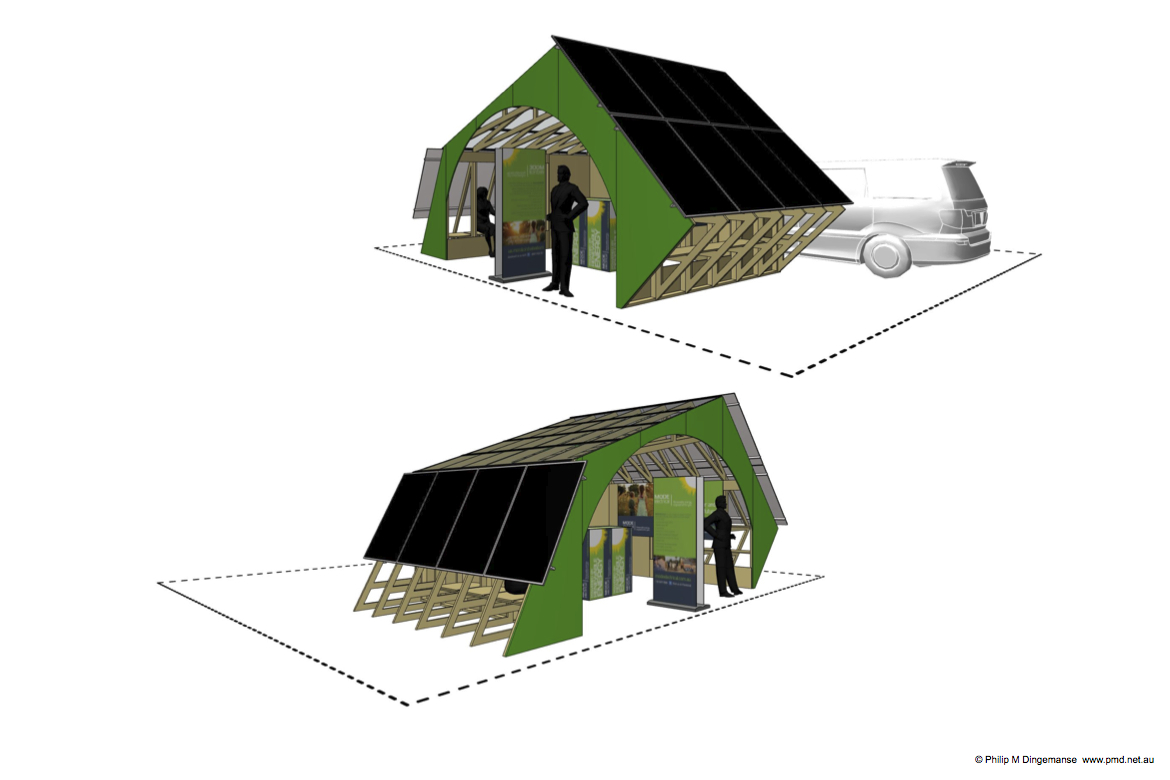
In Display MODE
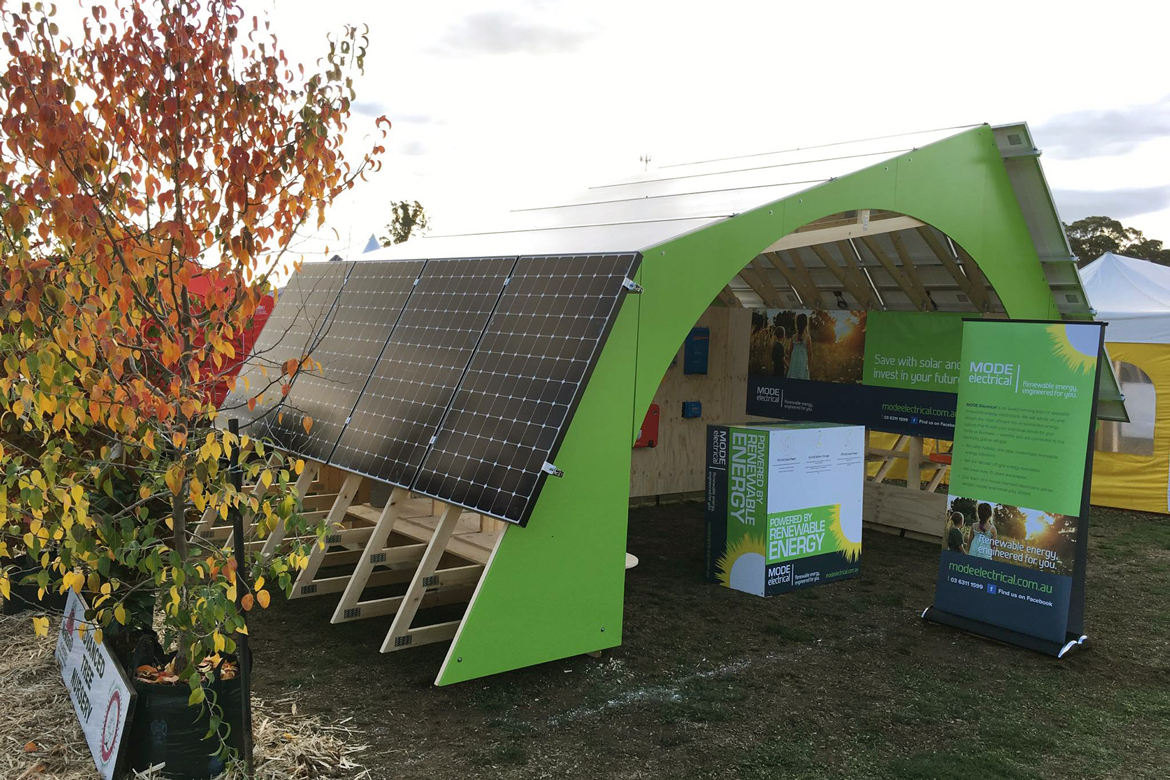
In Display MODE is a marketing pavilion to promote the use of photovoltaic cells.
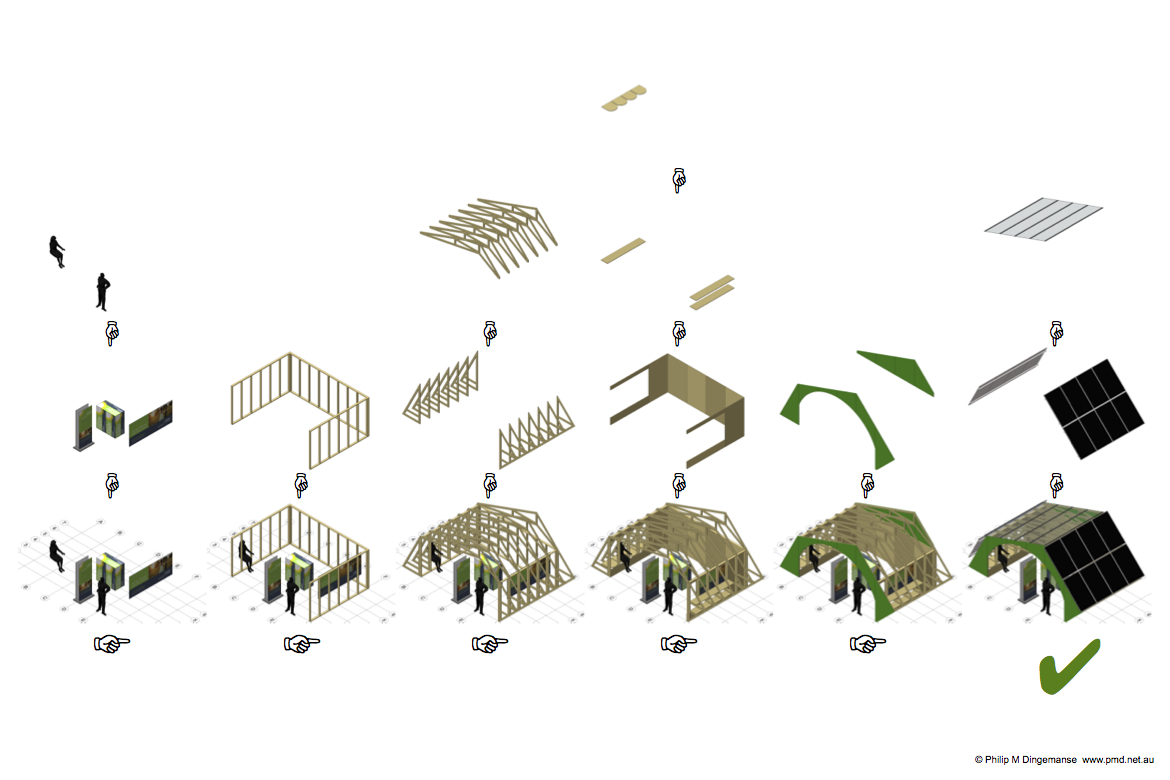
The small relocatable structure links a distinctive form with client branding, while the primary timber and plywood structure promotes sustainable timber engineering.
Utilising the rigour of a rational structural grid and material sizes, the building is demountable and capable of being transported in a single trailer load.